How to Taste Pour-Over Coffee: A Beginner's Guide to Cupping and Brewing
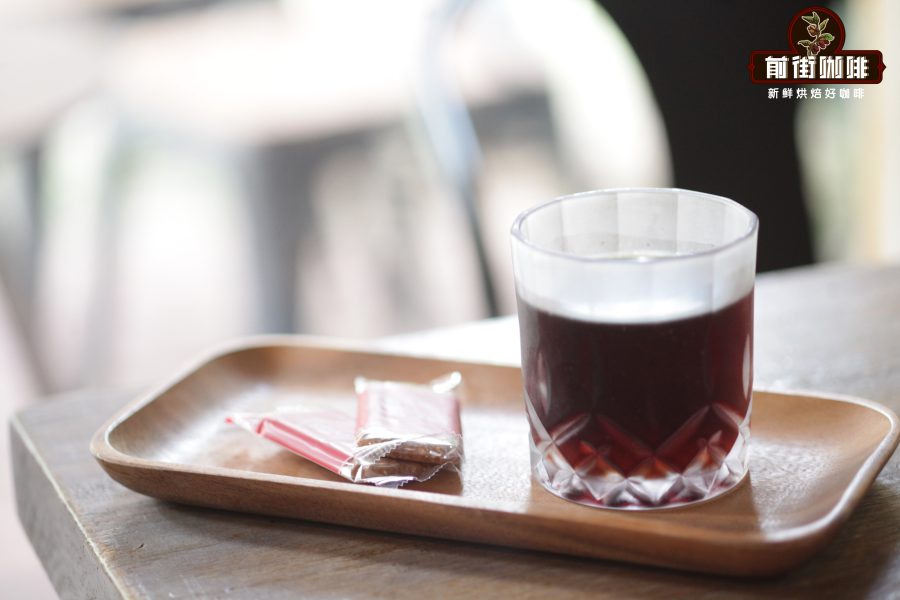
Introduction: Many coffee beginners are often puzzled why their own pour-over coffee tastes only sour and bitter, yet they cannot detect the rich flavors like strawberry and floral notes that baristas describe. In fact, perceiving coffee flavors requires mastering the correct techniques of smelling, tasting, and sensing the aftertaste. This article will guide you through dry and wet aroma identification, flavor tasting, and aftertaste evaluation to gradually improve your sensitivity to pour-over coffee flavors, while also sharing practical brewing tips to help you enjoy each cup more scientifically.
Have you ever wondered why others can taste strawberry, citrus, or nutty aromas in pour-over coffee, while you can only taste sourness or a single bitter flavor? In fact, coffee has rich layers of flavor, but you need to master the correct tasting methods to perceive them. Many beginners brew coffee with a single flavor, often because they overlook the key steps of smelling, tasting, and sensing the aftertaste.
The first step is learning to smell the aroma, which is the first step in perceiving coffee flavors. Coffee aroma is divided into dry aroma and wet aroma. Dry aroma refers to the scent of ground coffee powder; for example, Brazilian coffee typically carries notes of nuts and dark chocolate, while origin coffees like Yirgacheffe often emit fresh fragrances of flowers, citrus, or fruit. When smelling the dry aroma, bring the ground coffee close to your nose and inhale deeply, paying attention to the layers of aroma.
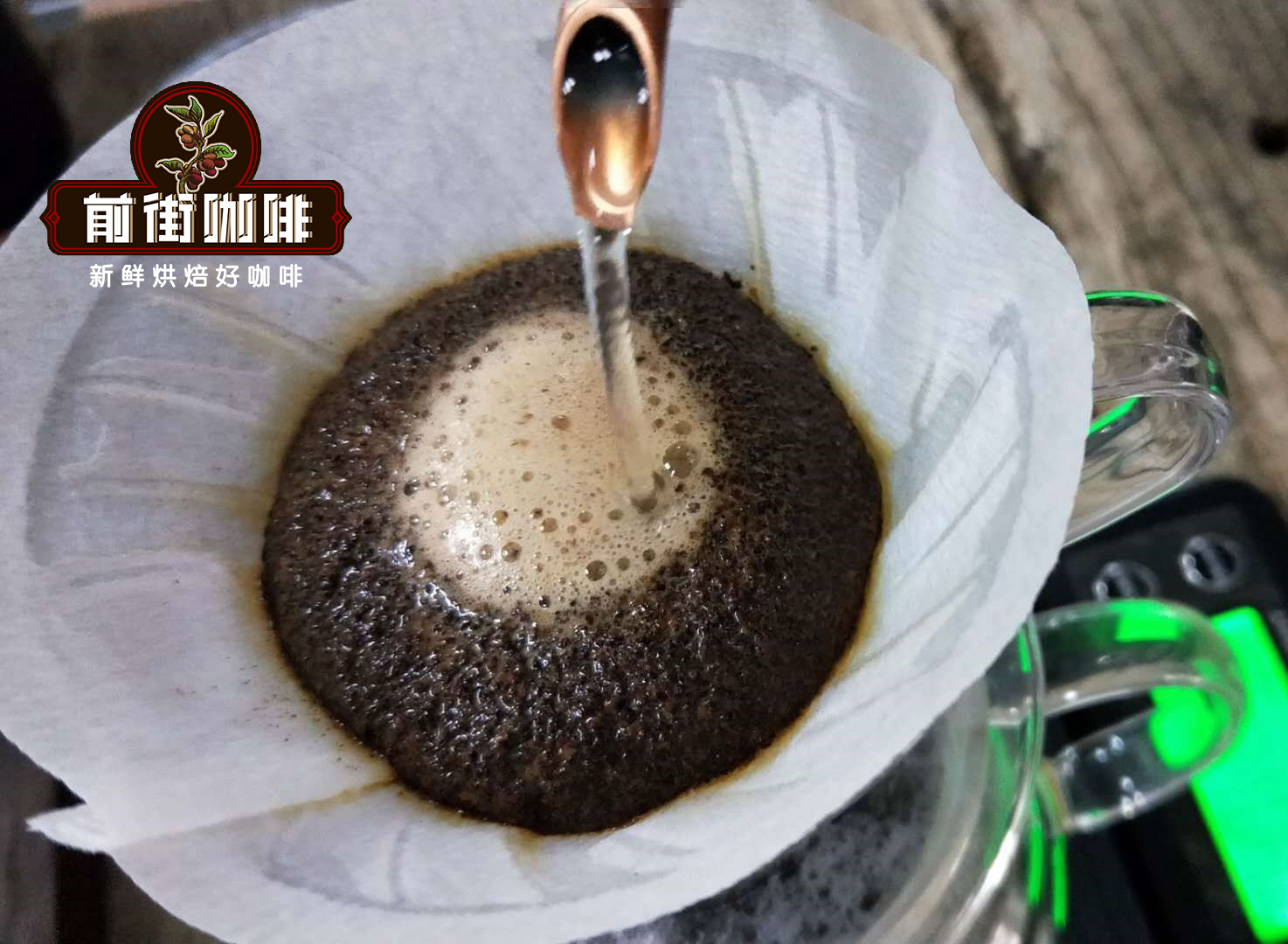
Wet aroma is the fragrance released when hot water contacts the coffee grounds after pouring. What many people don't know is that the human tongue can only perceive five basic tastes: sweet, sour, bitter, salty, and umami, while aroma identification mainly relies on the nasal cavity. When you drink coffee, aroma molecules enter the nasal cavity with the steam to form a complete taste experience. Therefore, when slurping coffee, letting the liquid form a mist in your mouth can better carry the aroma and enhance flavor perception.
The second step is tasting the flavors, which means experiencing the actual taste of coffee through the mouth. Many friends new to pour-over coffee feel that coffee smells better than it tastes, because flavor identification requires practice. After taking a sip, notice whether the acidity is bright, the sweetness is obvious, and the bitterness is balanced. High-quality coffee often has balanced acidity, sweetness, and bitterness, and can display regional characteristics, such as the citrus notes of African beans and the nutty chocolate flavors of Central and South American beans. Try coffee beans from different regions to train your palate.
The third step is perceiving the sweet aftertaste (finish), which is an important indicator for judging coffee quality. The aftertaste refers to the flavor left in the mouth and throat after swallowing the coffee. A good aftertaste should be lasting and clear, such as a honey-like sweetness, a black tea-like richness, or a faint floral and fruity finish. If the aftertaste is short, vague, or even has off-flavors, it often means the coffee beans are of average quality or the brewing parameters are not ideal. Note that the aftertaste is not simply "sweetness" but the continuation of flavors in the mouth.
To better taste the flavors of pour-over coffee, in addition to mastering tasting techniques, brewing parameters are also crucial. For example, the water temperature is recommended to be controlled between 90-96°C, adjusted according to the roast level of the coffee beans—light roasts suit slightly higher temperatures to bring out acidity and aroma, while medium-dark roasts can use slightly lower temperatures to avoid excessive bitterness. The recommended coffee-to-water ratio is 1:15 to 1:16, and when pouring, it is suggested to pour in circles from the center outward, in stages to control extraction evenness.
In addition, the grind size of the coffee powder also directly affects flavor expression. Generally, pour-over recommends a medium-fine grind, similar to the texture of fine granulated sugar; too coarse will lead to under-extraction and a thin flavor, while too fine will easily over-extract and produce bitterness. Freshly roasted coffee beans (recommended for use within 7-21 days after roasting) usually have brighter flavors; when storing, keep them sealed away from light to avoid moisture or excessive air exposure.
By systematically practicing smelling, tasting, and sensing the aftertaste, along with reasonable adjustments to brewing parameters, even beginners can gradually taste the multi-layered flavors in coffee and enjoy the delicate experience that pour-over coffee brings.


