Pour-over extraction time: key differences between light and dark roasts
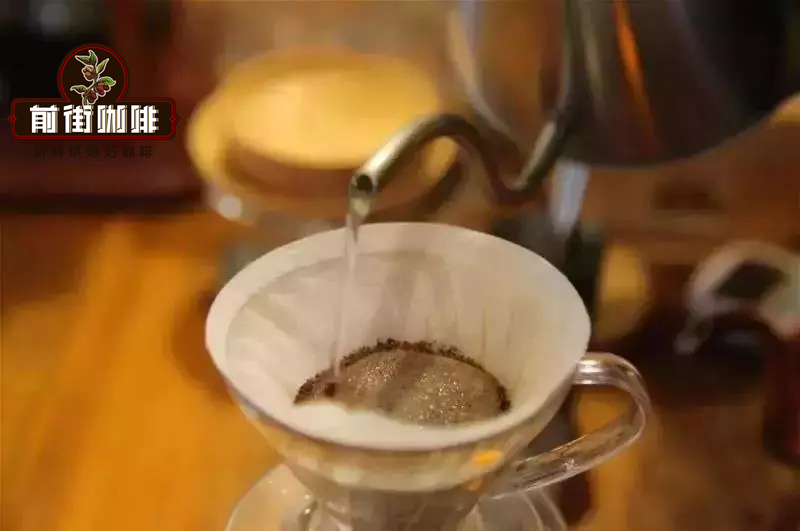
Introduction: The flavor expression of pour-over coffee is closely related to extraction time, and the degree of roast directly affects the optimal extraction parameters. This article takes an in-depth look at standard pour-over extraction times, compares the parameter differences between light and dark roast beans, and reveals the actual impact of variables such as water temperature and grind size on extraction time. With this core knowledge, you will be able to precisely control your brewing rhythm and avoid over-extraction or under-extraction.
The essence of coffee extraction is the transfer of flavor compounds from coffee grounds into water, a process shaped by multiple factors including water temperature, grind size, and coffee-to-water ratio. Among these, the length of contact between coffee grounds and water (i.e., extraction time) is the key link that determines the final flavor presentation—it directly affects the amount and proportion of soluble compounds extracted.
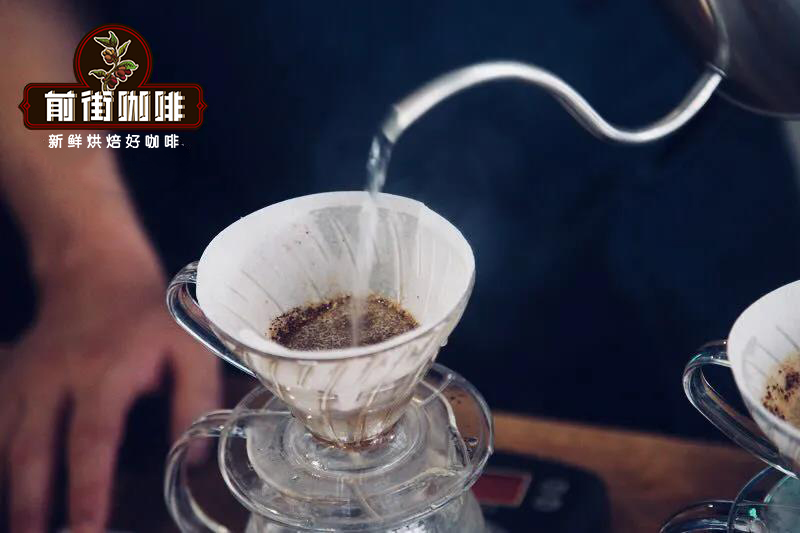
For pour-over coffee, the conventional extraction time is usually kept within the 2 to 2 minute 30 second range. This range balances acidity, sweetness, and body: too short results in insufficient extraction of flavor compounds, producing a sharp, thin acidity; too long may extract excessive bitter compounds. It is worth noting that in practice, the pouring speed significantly affects the timing result—a fast circular pour keeps water continuously passing through the coffee bed, while a slow pour allows the grounds to steep fully.
Roast level creates clear differences in extraction time requirements. Light roast coffee beans, being denser with flavor compounds concentrated on the inner side of the cell walls, need a slightly longer extraction time (about 2 minutes 10 seconds–2 minutes 30 seconds) to fully release floral and fruity acidity and sweetness; medium-dark roast beans have a relatively looser structure, and 1 minute 50 seconds–2 minutes 10 seconds is enough to bring out caramel and nutty notes; while dark roast beans are best kept within 1 minute 30 seconds–1 minute 50 seconds to avoid the smoky notes produced by over-extraction.
Extraction time baselines for other brewing methods can serve as reference: espresso requires only 20–30 seconds under 9–10 atmospheres of pressure; the AeroPress, with its built-in piston generating slight pressure, usually needs 1 minute 30 seconds–2 minutes; the French press relies on a coarse metal filter, and a 4-minute steep yields a full-bodied cup. The paper porosity of professional pour-over gear (such as the conical V60 dripper vs. the flat-bottom Kalita Wave dripper) also affects flow rate, and thereby changes the effective extraction time.
Beginners often fall into two pitfalls: either extending brew time out of fear of under-extraction, resulting in a bitter finish; or pursuing fast extraction at the expense of flavor complexity. It is recommended to use a TDS meter (ideal range 1.15%–1.35%) together with flavor wheel evaluation to gradually find the golden time window for a specific bean. Remember, stable grind size and water temperature control are more important than precise timing—a water temperature fluctuation of ±1°C may have a more significant impact on flavor than a timing difference of ±5 seconds.


