How coffee grind size affects flavor: pour-over and espresso parameters
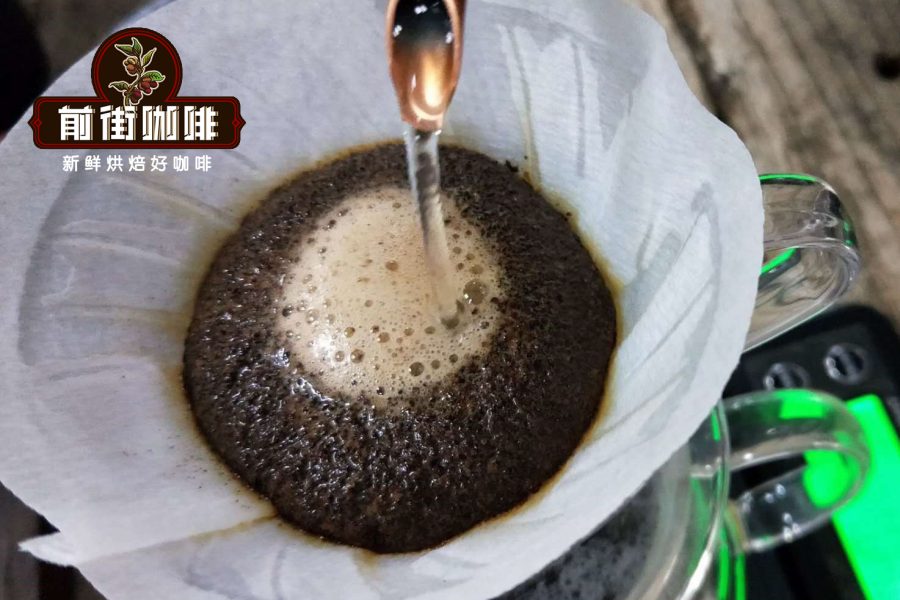
Introduction: The coarseness of coffee grounds is one of the key factors affecting extraction efficiency and flavor presentation. Different brewing methods have specific requirements for grind size, from pour-over to espresso, and tiny adjustments in grind size can bring significant changes in taste. This article will analyze in depth how grind coarseness affects coffee's strength, extraction yield, and flavor balance, and provide practical parameter recommendations to help you find the most suitable grind setting.
In the coffee-making process, grind size is one of the most discussed core parameters. Whether pour-over or espresso, grind adjustment directly affects the coffee's extraction results and final flavor. For pour-over coffee, grind size usually needs to be determined comprehensively based on the coffee-to-water ratio, brewing time, and water flow intensity, while espresso pays more attention to the fineness of the grind to ensure sufficient pressure extraction.
To understand the relationship between grind and flavor, you first need to distinguish two key concepts: extraction yield and total dissolved solids (TDS). Extraction yield refers to the total amount of substances dissolved from coffee grounds into water, while TDS reflects the concentration of these substances in the final coffee liquid. For example, even if you successfully extract a large amount of flavor substances, if you dilute it with too much water, the final coffee will still taste weak—this is why American coffee (high water-to-coffee ratio) usually tastes lighter than espresso (low water-to-coffee ratio).
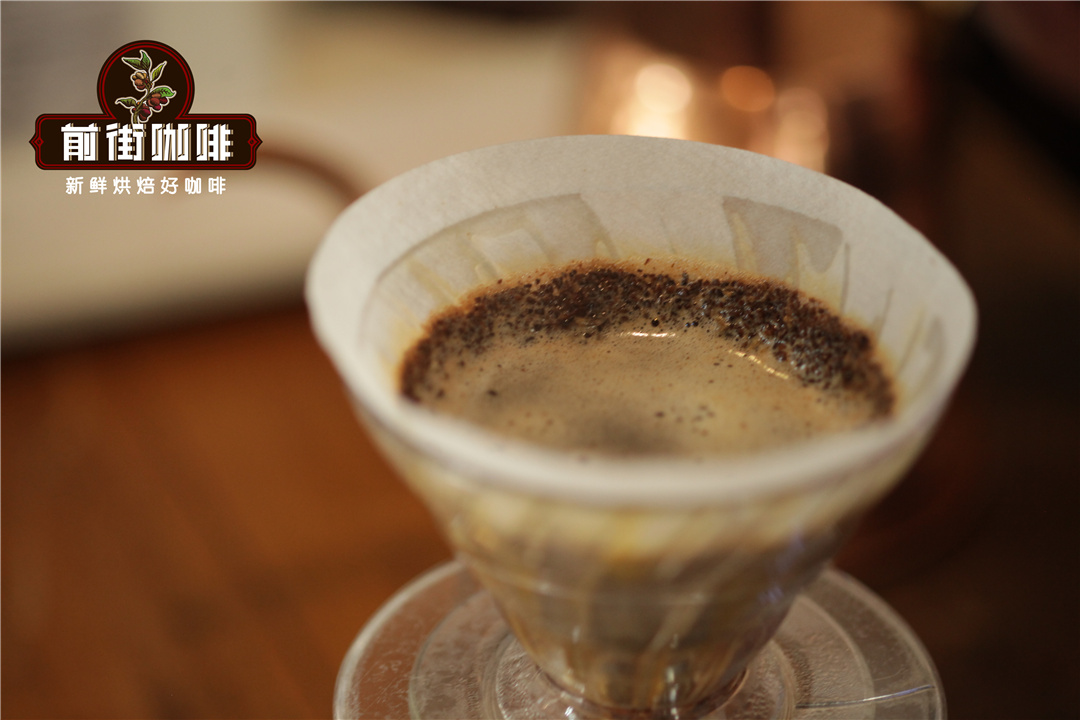
Many people mistakenly believe that the finer the coffee grounds, the stronger the coffee must be, but this view needs to be considered dialectically. Indeed, espresso requires an extremely fine grind, which is directly related to its high-pressure extraction characteristics. A finer grind increases the contact area between coffee grounds and water, theoretically improving extraction efficiency. But grind fineness is not the only factor affecting strength; if other parameters (such as dose, water amount, and extraction time) are not adjusted accordingly, simply pursuing a finer grind may instead cause problems.
When coffee grounds are ground too fine, the main risk is that it may cause over-extraction or channeling. Coffee grounds that are too fine can easily clog the filter, causing poor water flow, with some areas over-extracted and others under-extracted. For pour-over coffee, a medium grind (similar to fine sugar texture) is usually recommended, while espresso requires a powder-like fineness (close to table salt). Specific parameter recommendations: for pour-over coffee, a coffee-to-water ratio of 1:15-1:18, with grind size controlled at 20-24 mesh; for espresso, a coffee-to-water ratio of 1:2-1:2.5, with grind size reaching an extremely fine standard.
It is worth noting that grind size needs to match the specific brewing method. For example, a French press requires a coarser grind (similar to sea salt particles) to prevent fine particles from passing through the filter and affecting the taste. Common grind misconceptions include: thinking finer is always better, ignoring the special requirements of different brewing methods, and failing to adjust in time based on actual extraction results. Beginners are advised to start with a middle value and then gradually fine-tune based on flavor performance.
In summary, the coarseness of coffee grounds does affect flavor presentation, but its mechanism is much more complex than simply "the finer the stronger." The ideal grind setting should comprehensively consider multiple factors such as brewing method, equipment characteristics, and water quality conditions, and verify the adjustment effect through actual tasting. Remember, coffee making is an art of balance, and grind is just one important piece of the puzzle.


