Too Much Brew Liquid? How Over-Extraction Affects Flavor
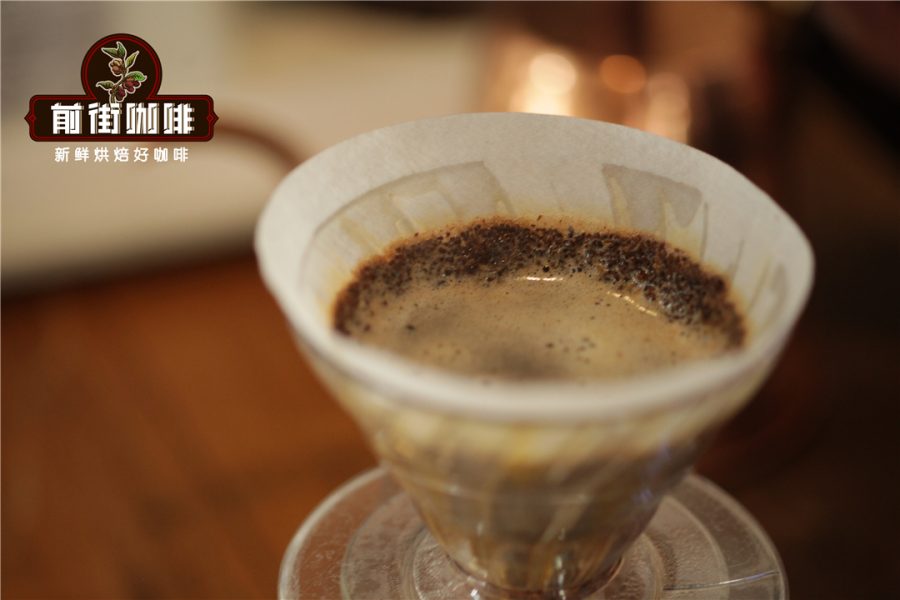
Introduction: During coffee brewing, too much brew liquid is a common problem that directly affects the final flavor of the coffee. This article takes an in-depth look at the causes of excess brew liquid, explores how over-extraction disrupts the balance of coffee—from the layers of acidity, sweetness, and bitterness to changes in overall mouthfeel—and offers practical adjustment suggestions to help you precisely control extraction parameters and brew coffee with balanced flavor.
The essence of coffee brewing is extracting flavor compounds, acidic components, oils, and other soluble compounds from the coffee beans through contact between water and coffee grounds, forming a cup of liquid coffee with a rich mouthfeel. This process is not mysterious; it is based on the physical and chemical principles of dissolution and diffusion.
During extraction, different substances are carried out by water at different rates. Acidic substances and sugars usually dissolve first, bringing the coffee bright acidity and fresh sweetness; next come coffee oils and some gums, which give the coffee a full body and aroma; the last to be released are tannins, and if too much of these compounds dissolves out, the coffee develops a noticeable bitterness.
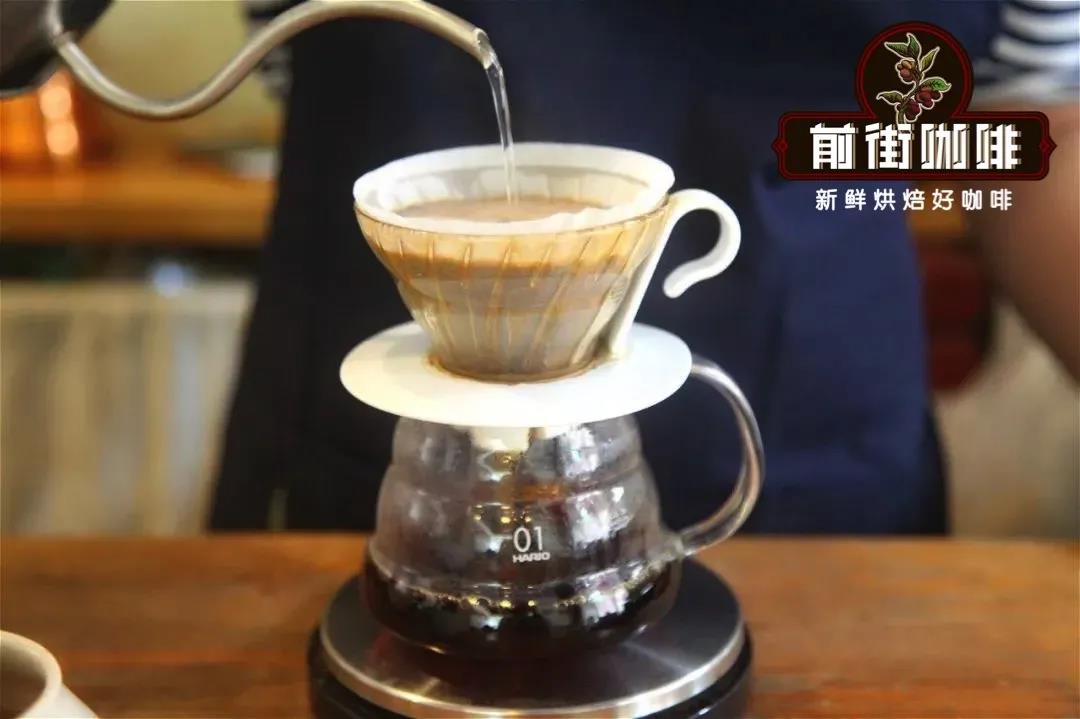
When the amount of extracted coffee liquid is too large, it often means the extraction time is too long or the coffee-to-water ratio is off balance; this situation is usually called over-extraction. Over-extraction not only releases a large amount of bitter compounds in the coffee but may also mask other flavors, causing the whole cup to lose its proper layering and balance.
Many coffee lovers may have had this experience: expecting a cup full of flavor, but on the first sip finding it dull, monotonous, and even unpleasantly bitter. This is very likely caused by over-extraction. Although declining bean freshness can also affect flavor, when the beans are in normal condition, too much liquid is often the main cause.
By contrast, under-extracted coffee shows another problem—thin flavor and a lack of depth, while the acidity may seem overly sharp. This is because the sugars, oils, and other positive flavor compounds in the coffee have not fully dissolved, leaving the overall taste one-dimensional and not round enough.
To avoid excess brew liquid and over-extraction, the key is to master reasonable extraction parameters. Beginners are advised to start with the standard coffee-to-water ratio of 1:15 to 1:17 and fine-tune to personal taste. At the same time, pay attention to controlling brew time; generally, the ideal extraction time for pour-over coffee is between 2 minutes 30 seconds and 3 minutes.
In addition, grind size is also an important factor affecting extraction efficiency. A finer grind increases the contact area between water and coffee grounds and speeds up extraction, but it also easily leads to over-extraction; a coarser grind does the opposite. Choosing the right grind size for your brewing method (such as pour-over, French press, espresso, etc.) is the foundation for ensuring balanced flavor.
In summary, the flavor balance of coffee comes from the harmonious coexistence of multiple elements such as acidity, sweetness, bitterness, and body. By precisely controlling the amount of brew liquid, the coffee-to-water ratio, grind size, and time, you can effectively avoid the negative effects of over-extraction and brew a more delicious cup with greater depth.


