Sulawesi Toraja Sapan Minanga G1 Coffee: Flavor and Brewing Guide
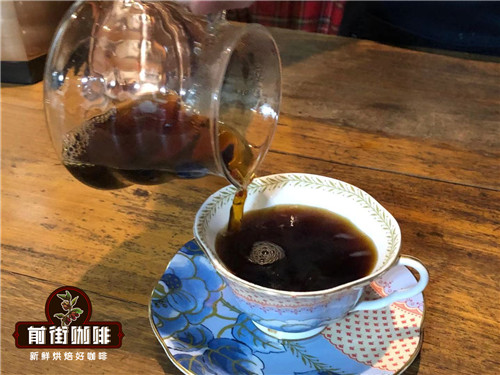
Introduction: The Sapan Minanga area of Sulawesi's Toraja region, with its distinctive terroir, produces G1-grade coffee beans of remarkable flavor complexity. This article takes an in-depth look at the clean earthy aroma, dark chocolate tonality and distinctive berry flavors of this scarce specialty coffee, and offers professional-grade pour-over parameters to help coffee lovers fully experience the balance of its citrus acidity and full-bodied richness.
In the highlands of central Sulawesi, Indonesia, at 1,800 meters above sea level, the Sapan Minanga area of Tana Toraja produces only about 60,000 bags of specialty coffee a year, yet its signature earthy minerality and complex fruit aromas have made it a star of Southeast Asia's niche coffee market. This area, surrounded by dense rainforest and ancient terraced fields, offers Arabica coffee trees a near-perfect growing environment thanks to its iron-rich volcanic soil and cool microclimate year-round.
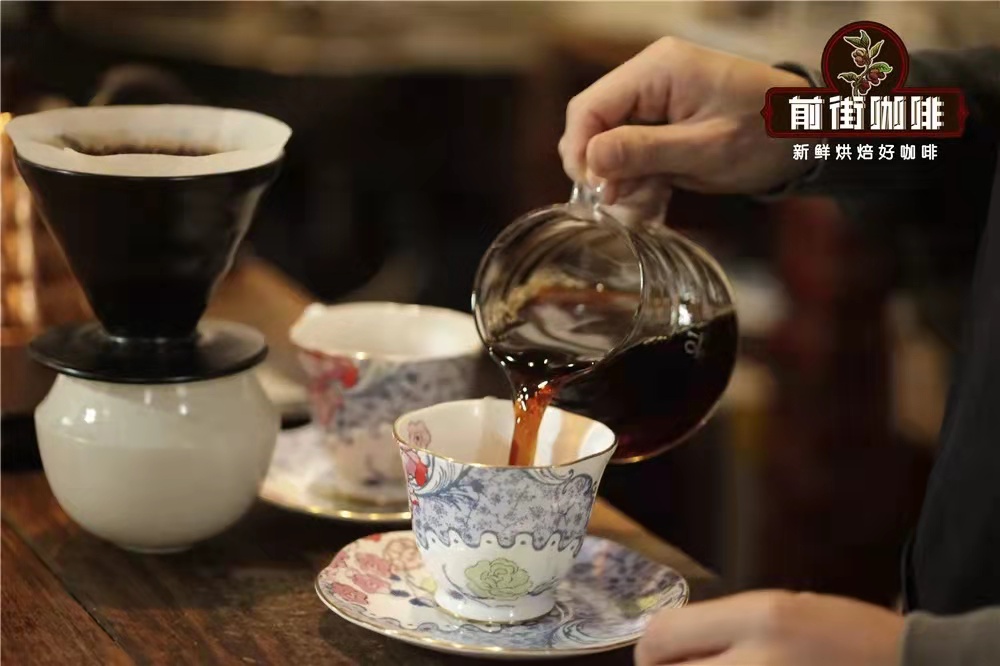
The area's coffee-growing history dates back to the mid-19th century, and the coffee trade has always been an important engine of local economic development. Unlike commercial plantations, more than 90% of the coffee cherries here are still harvested in the traditional way by farming families who have lived here for generations—ripe red cherries are selected by hand, one by one, and processed using the unique wet-hulling method (Giling Basah). This semi-washed process gives Sapan Minanga coffee its dual character: bright fruit acidity combined with a heavy body.
Professional cupping data show that this G1-grade coffee presents a three-stage flavor evolution: on first sip, clear earthy mineral notes and a bittersweet dark chocolate balance form the base; the mid-palate brings the oiliness of walnut and a surprising fresh strawberry fruitiness; the finish reveals a lasting clean citrus acidity and a silky body. Its relatively high moisture content of 12-14% means particular attention must be paid to parameter control when brewing.
Practical advice for pour-over enthusiasts: use a V60 dripper with water at 92-94°C, a coffee-to-water ratio of 1:15 and a medium-fine grind (70%-75% passing a Chinese standard No. 20 sieve). After the first pour of 30 grams for a 30-second bloom, use a "center pour plus spiral outward" technique in three pours to reach a total of 240 milliliters, keeping total extraction time between 2 minutes 10 seconds and 2 minutes 30 seconds. Note that this bean is sensitive to water quality; filtered soft water is recommended to avoid excessive tannin extraction.
For espresso machine users, try blending with Brazil Red Bourbon at a 1:3 ratio, which both strengthens crema stability and highlights the creamy texture characteristic of Toraja beans. The roaster especially notes: the best roast level for coffee from this area lies between light-medium (Agtron 65-70) and medium (Agtron 55-60); over-development will turn the earthy flavors into a scorched taste.
From growing altitude to processing details, every step of Sapan Minanga coffee reflects the Toraja farmers' commitment to tradition. Although its annual output is limited, it is precisely this scarcity that makes every cup from the Sulawesi highlands a precious window into the diversity of Indonesian coffee.


