Why Dark Roast Coffee Is Less Acidic: How Roast Level Affects Flavor
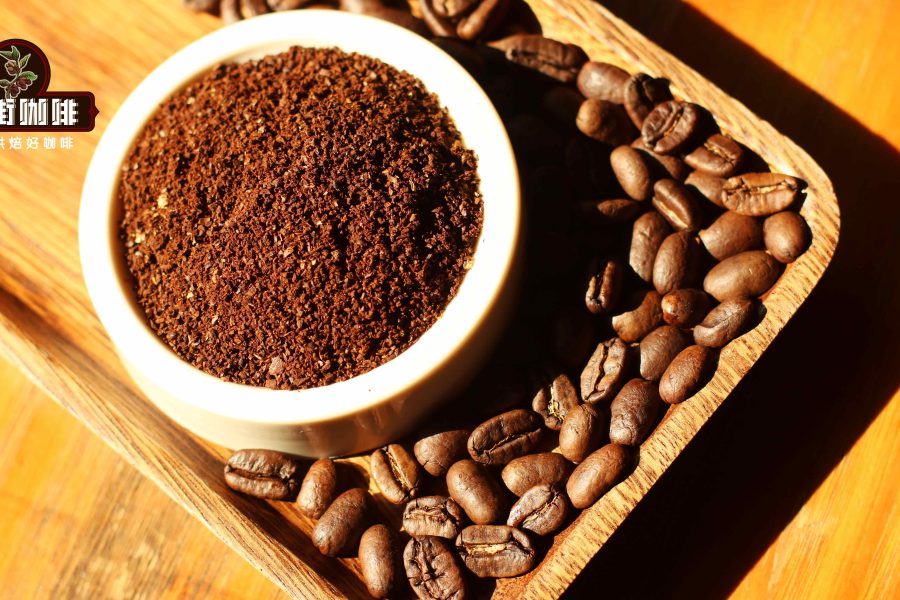
Introduction: Roasting is a key step in determining coffee flavor, with an influence of up to 30%. From light to dark roast, the balance of acidity, sweetness, and bitterness changes significantly. This article explains how the Maillard reaction and caramelization during roasting shape flavor, compares the specific effects of different roast levels on acidity, sweetness, and body, and recommends three classic bean varieties suitable for dark roasting to help you choose the right roast level based on your taste preferences.
A coffee bean contains hundreds of chemical substances. Under the high temperatures of roasting, these components undergo complex chemical changes, producing various aromatic substances and flavor compounds that affect the final flavor. According to research data, the characteristics of the green bean itself determine about 60% of a cup's flavor baseline, the roasting process contributes 30%, and extraction accounts for only 10%. Therefore, roasting is not only a technical skill but also an art, crucial to the overall performance of coffee.
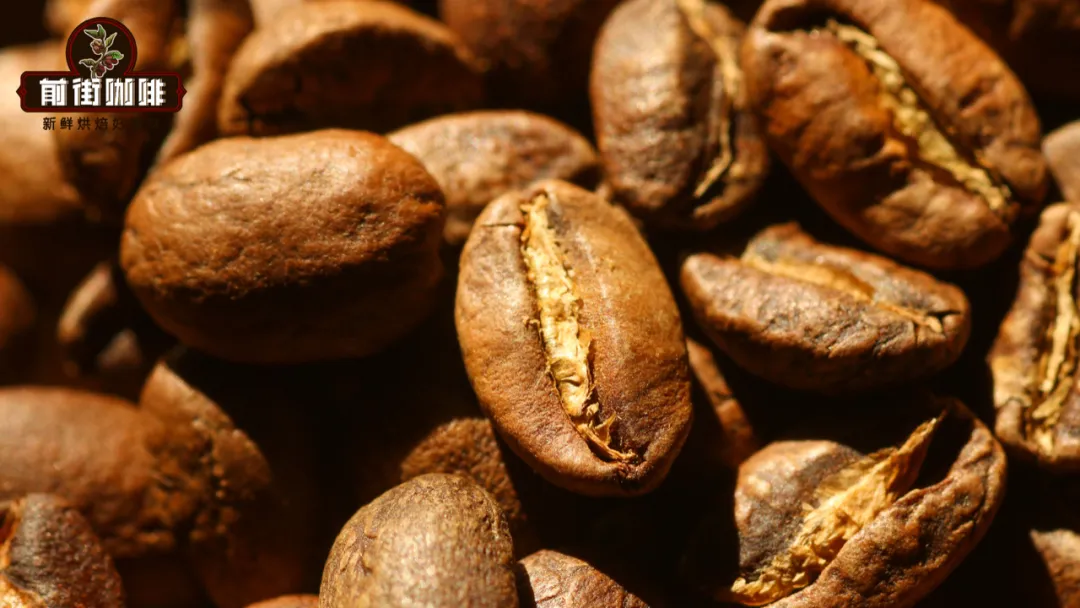
During roasting, the Maillard reaction and caramelization are the two core reaction mechanisms. The Maillard reaction typically starts above 150°C, where sugars and amino acids combine and break down at high temperatures, producing hundreds of volatile flavor molecules that directly determine the coffee's main aroma and mouthfeel layers. Caramelization, on the other hand, involves sugars dehydrating, breaking chains, and browning upon heating, which not only gradually darkens the coffee beans but also releases characteristic caramel, acidic, and slightly bitter substances.
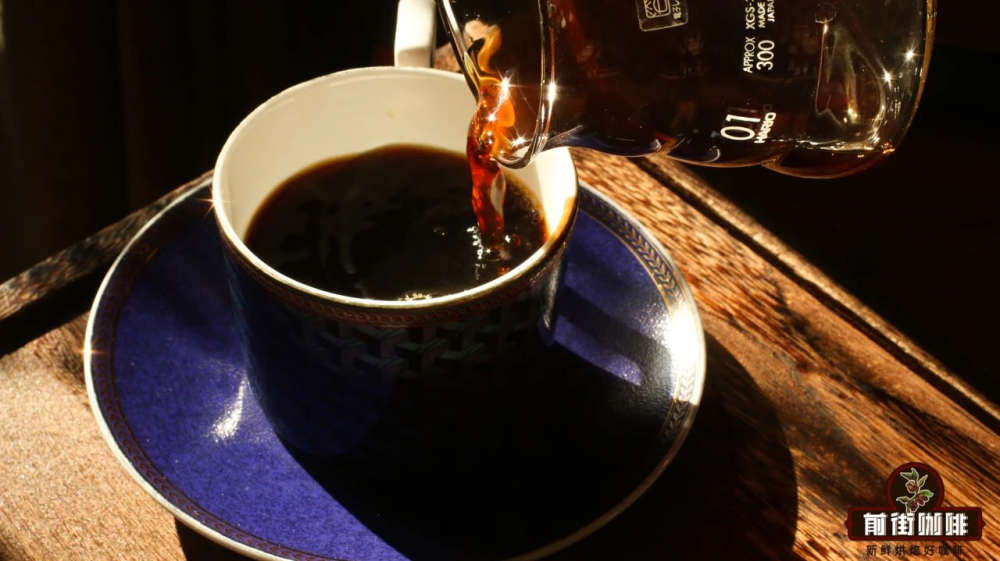
These three flavor dimensions—acidity, sweetness, and bitterness—are continuously reshaped during roasting. Generally, as roasting time lengthens, acidic substances in the beans gradually decompose or transform, reducing acidity; meanwhile, the deepening of caramelization and the Maillard reaction causes bitter substances to accumulate, significantly increasing the perception of bitterness. Therefore, dark roasted coffee usually has lower acidity, while bitterness and body are more prominent.
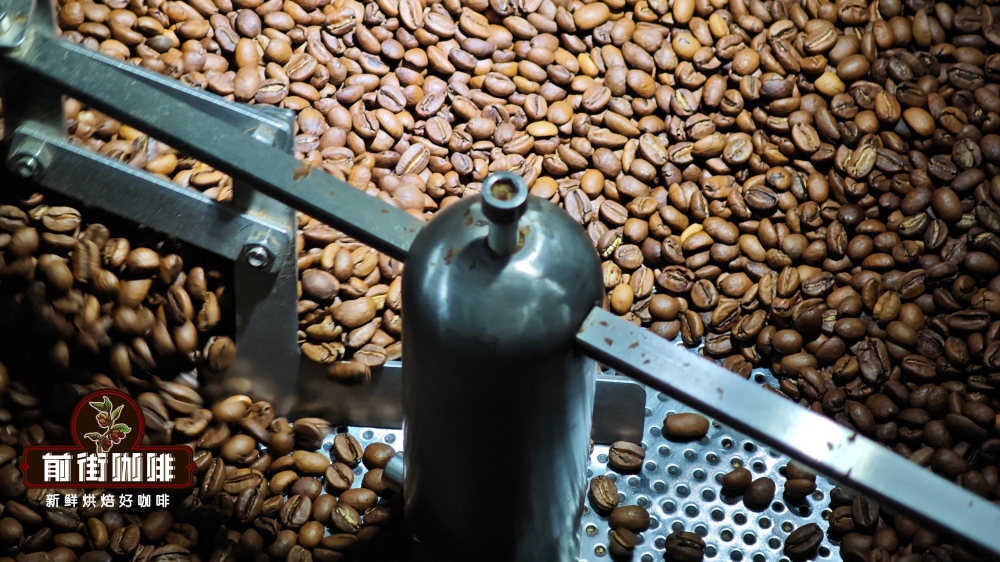
Coffee roast levels on the market are generally divided into three categories: light roast, medium roast, and dark roast. Each has its unique flavor profile and suitable applications.

Light roast has been highly praised in recent years due to the rise of specialty coffee culture. This roast level preserves more of the coffee bean's original fruit acidity, floral notes, and fruity tones, such as bright citrus, berry, or jasmine aromas, with a fresh and layered mouthfeel. This roast highlights the terroir characteristics of different regions and is very suitable for those who enjoy refreshing acidity and floral-fruity notes.
Medium-light to medium roast seeks a balance between acidity, sweetness, and bitterness, often with caramel, nutty, and soft chocolate flavors. It is suitable for daily drinking and is also the first choice for many milk coffee lovers.
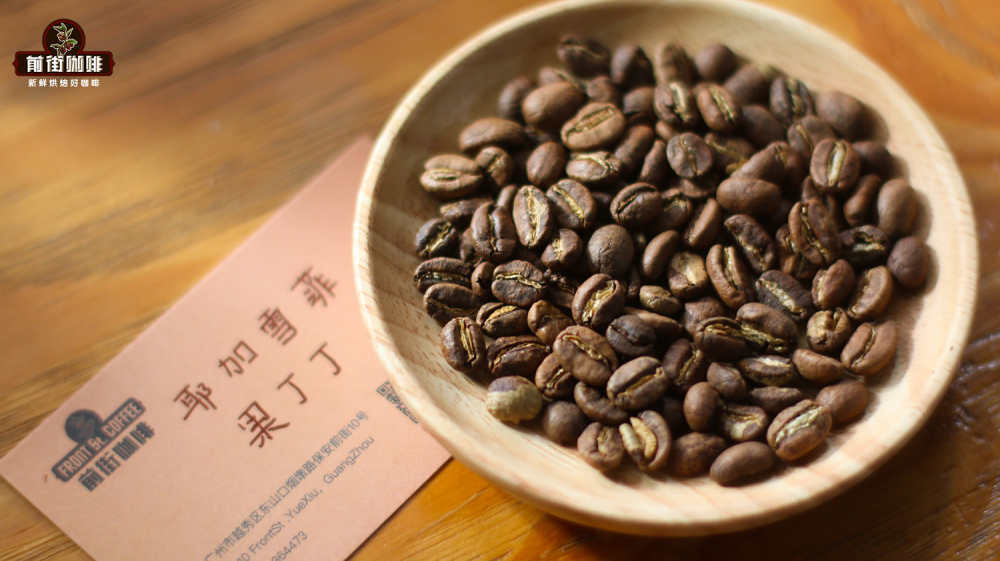
Dark roast, with its intense roasted aroma, lower acidity, and prominent full body, has long been the cornerstone of espresso and classic coffee. Although it was often labeled "bitter" in the past, high-quality dark roasted beans can still present rich layers, such as spices, dark chocolate, woody notes, and even a full caramel finish.
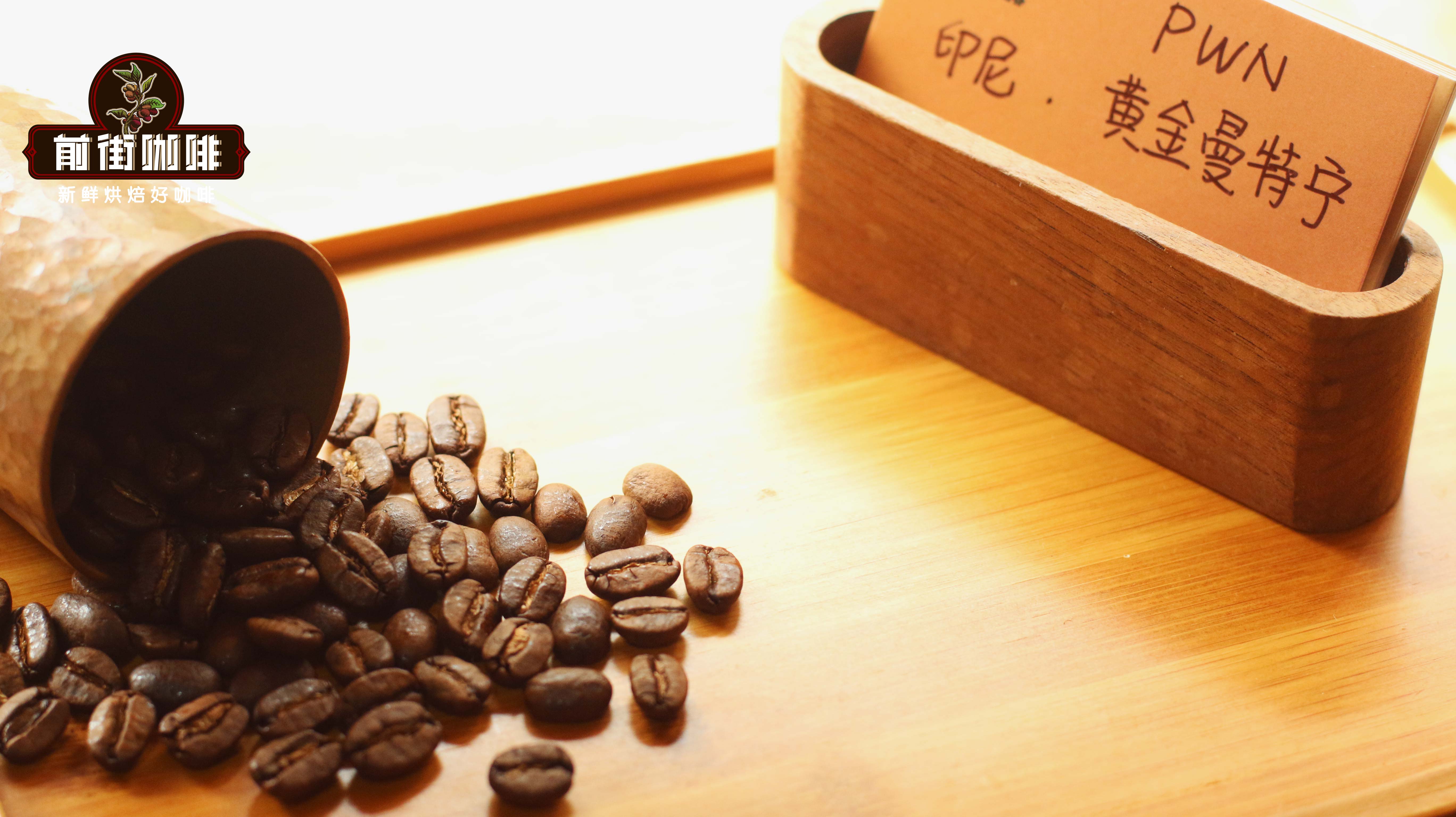
For coffee lovers who prefer dark roast flavors, the following three classic bean varieties are worth trying:
Indonesian Golden Mandheling: From the famous Sumatra region, this bean excels with dark roasting, which fully brings out its complex herbal, spicy, and earthy notes. Through meticulous sorting, the defect rate is extremely low, resulting in a cleaner mouthfeel with a long, sweet aftertaste. Dark roasting enhances its characteristic low acidity and full body, making it a must-try for those who enjoy intense woody and spicy notes.
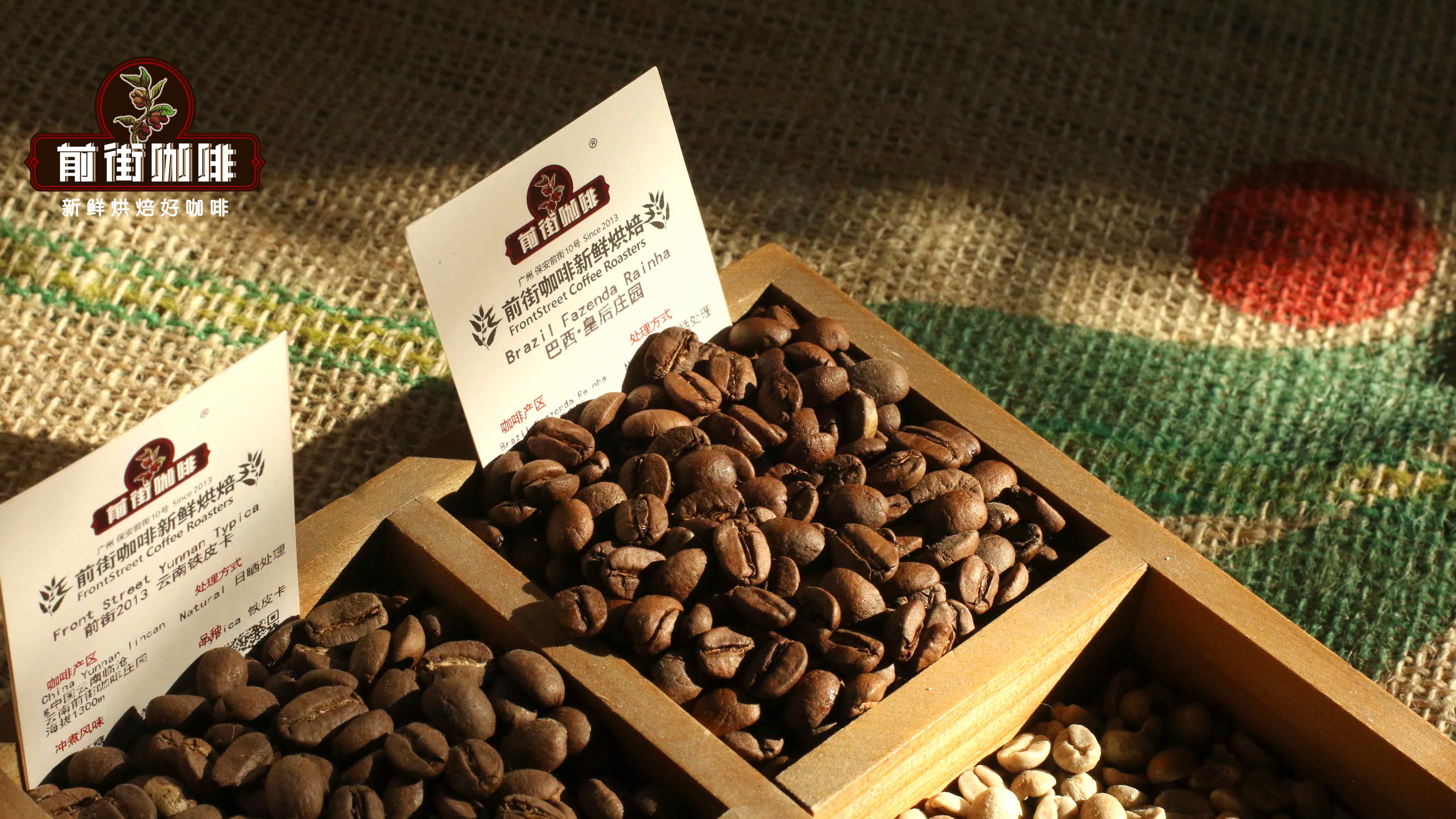
Brazil Yellow Bourbon: Brazil, as the world's largest coffee producer, is known for its balanced and mild coffee. The high-altitude grown Yellow Bourbon variety retains creamy, chocolate, and nutty notes even under dark roasting. Medium-dark roasting brings out its rounded body and moderate sweetness, making it a reliable choice for classic black coffee or milk coffee.
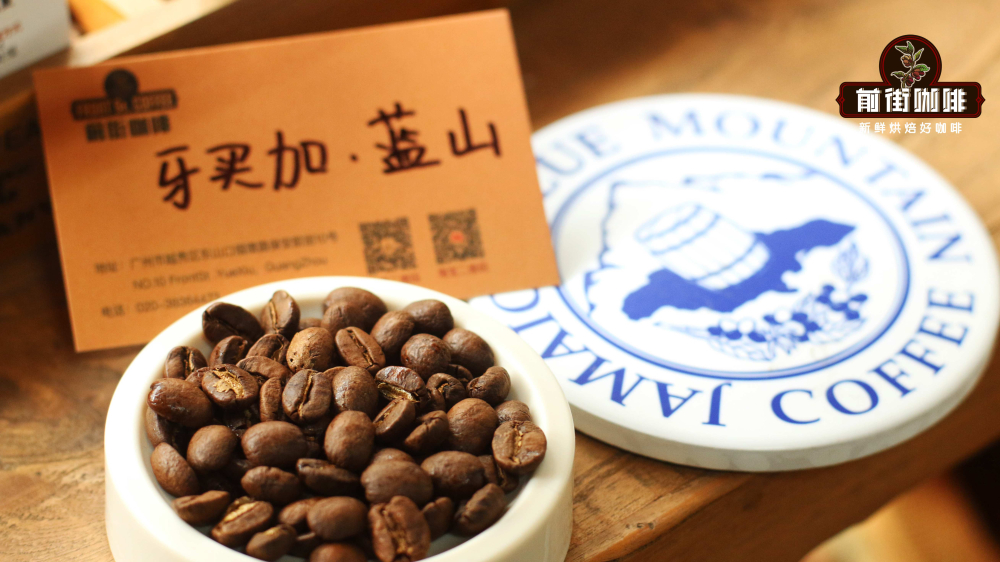
Jamaica Blue Mountain No.1 (medium-dark roast recommended): Although Blue Mountain coffee is usually medium roasted to showcase its elegant acidity and balanced mouthfeel, a medium-dark roast can also highlight its unique full body and subtle nutty aroma, complemented by a hint of indescribable soft fragrance, with a complex and memorable flavor.
In summary, dark roast is not just a single "bitter" taste; while acidity decreases, it develops stronger roasted aroma, full body, and diverse flavor dimensions. From spices to dark chocolate, from nuts to caramel, the world of dark roast coffee is equally exciting. Understanding how roasting affects flavor can help you better choose the most suitable coffee beans and roast level according to your taste preferences.


