How to Brew Drip Bag Coffee: Correct Technique and Water Temperature Guide
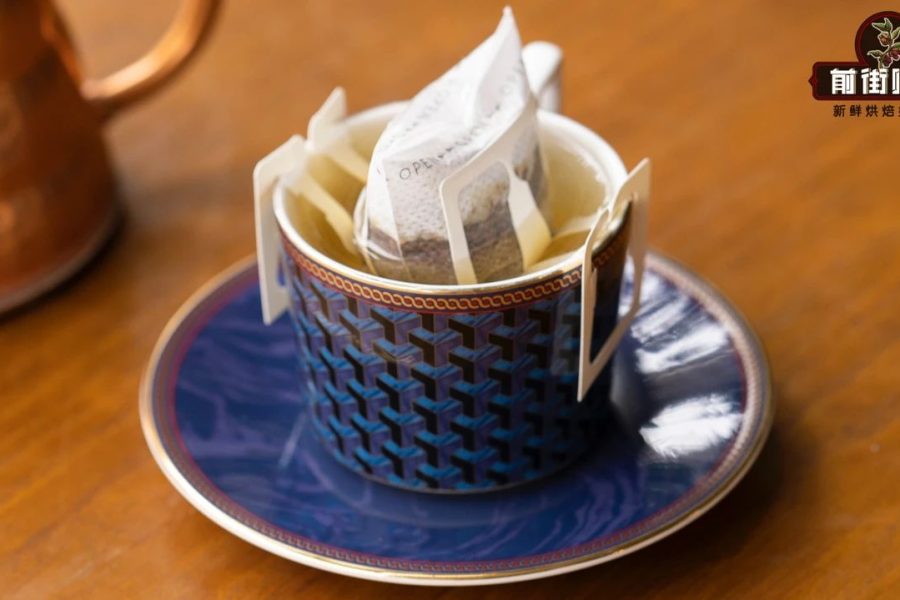
Introduction: As a convenient alternative to pour-over, drip bag coffee preserves the flavor of freshly ground coffee and is easy to carry when traveling. This article systematically explains the correct brewing steps for drip bag coffee, including whether the filter bag should be steeped, optimal water temperature control, blooming technique and other key parameters, and offers solutions to common problems to help beginners quickly master professional-level brewing.
In a fast-paced life, drip bag coffee—which offers the quality of freshly ground coffee while being easy to carry—has become a daily choice for travelers and coffee enthusiasts. This innovative design, with its filter bag and foldable handles, makes precise extraction easy at home or outdoors.
There is a common question about using drip bag coffee: can the filter bag be steeped directly like tea leaves? Although technically possible, doing so causes over-extraction and bitterness. The correct approach is to control the extraction process through staged pouring, which fully releases the coffee's layered flavors.
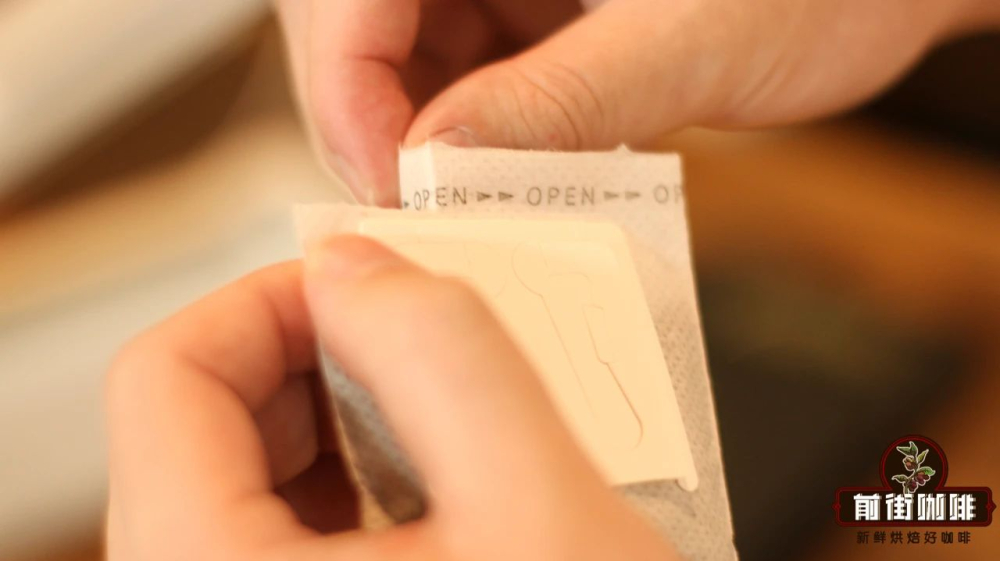
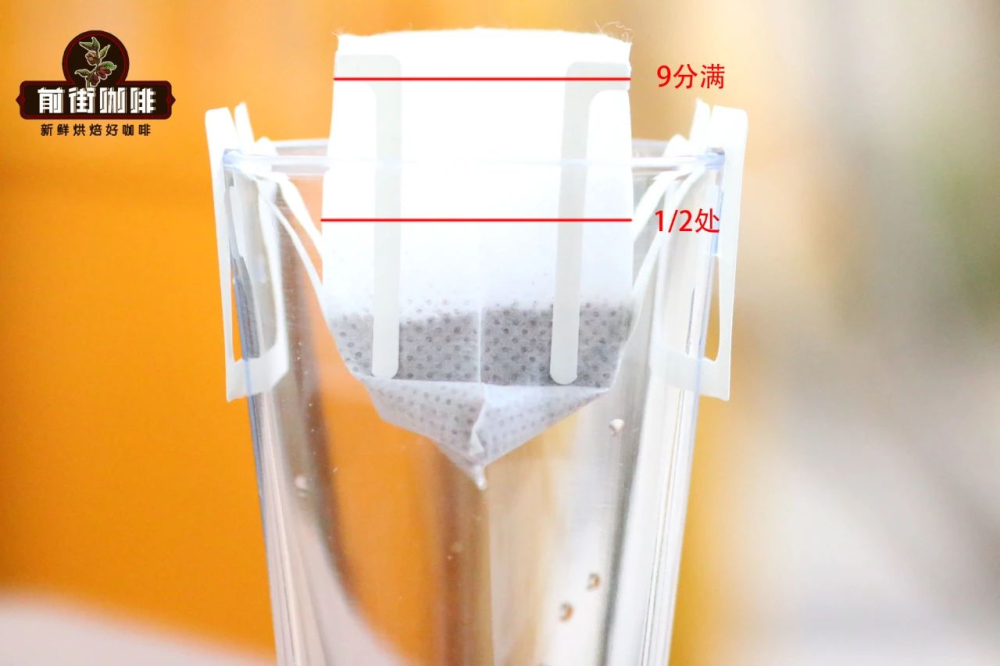
The complete brewing process consists of six key steps: first, tear open the filter bag package along the sealed line; at this point you can smell the dry aroma of the coffee grounds up close, an important basis for judging roasting freshness. Next, unfold the paper supports on both sides and secure them on the rim of the cup. A cup with a capacity of 200–300 ml is recommended; a rim that is too wide will affect the stability of the filter bag.
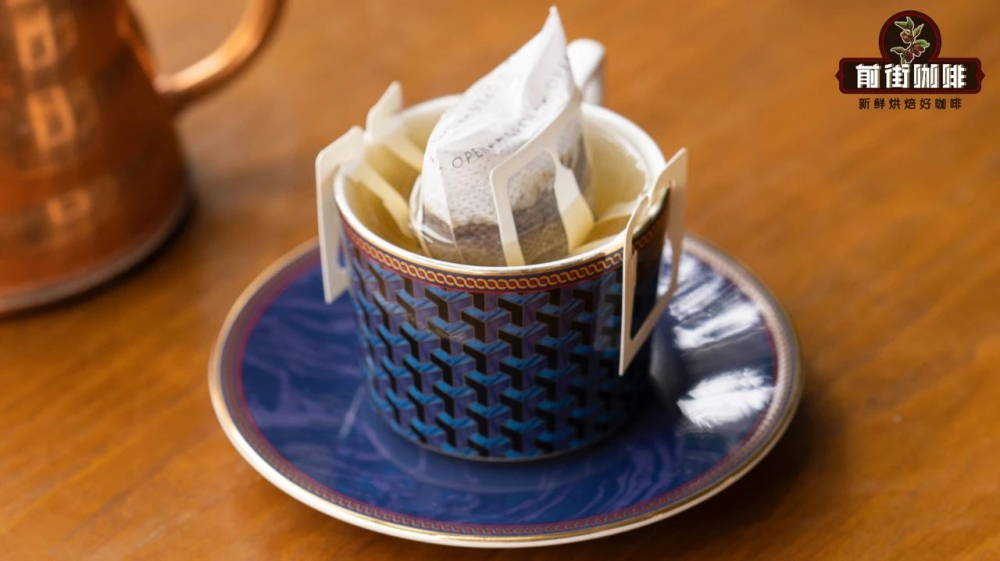
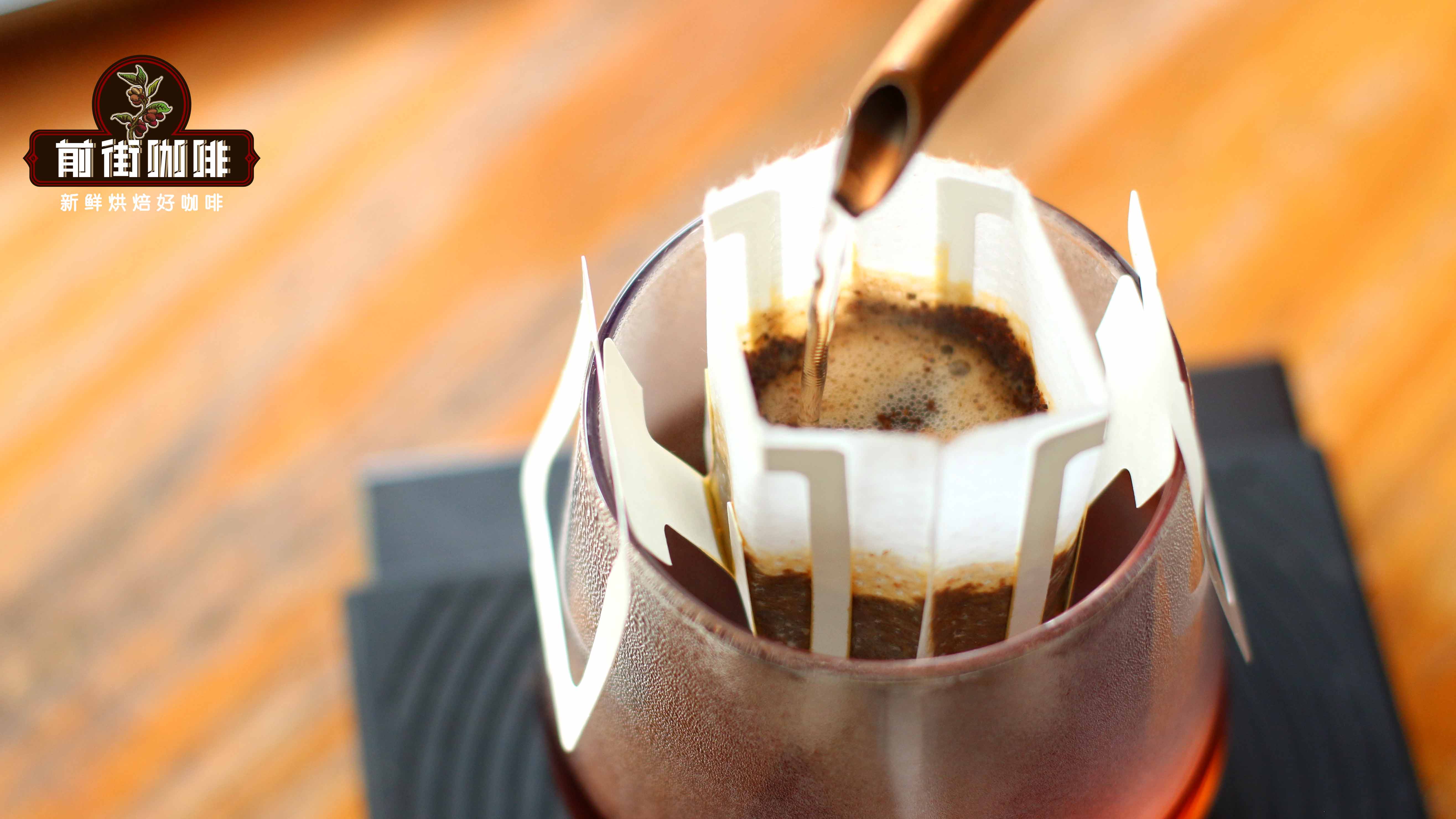
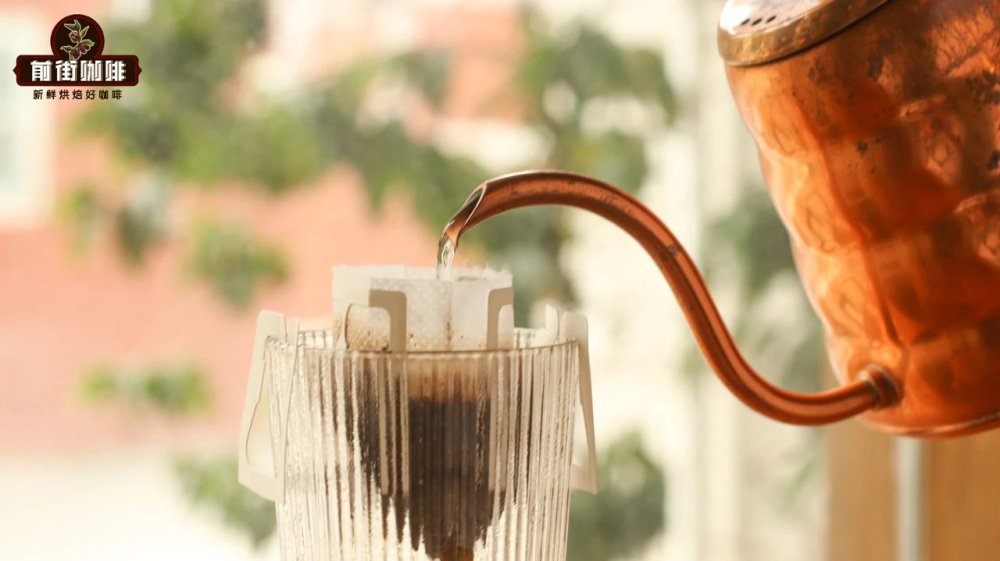
Water temperature directly affects flavor expression, with the optimal range being 85–92°C. First, pour hot water in a concentrated stream into the center of the filter bag; once the coffee grounds are completely wet, stop pouring immediately and let it sit for 30 seconds to bloom. This step encourages the coffee grounds to release carbon dioxide, creating a clear pathway for subsequent extraction; observing the degree of expansion of the coffee bed can indicate freshness.
For the main extraction stage, use a circular pouring method; keep the total coffee-to-water ratio between 1:15 and 1:16 (for example, 15 g of grounds to 225–240 ml of water). The stream should maintain a steady speed, spiraling outward from the center of the filter bag to ensure all grounds are evenly saturated. Common mistakes include pouring too fast, which causes under-extraction, or water that is too hot, which brings out sharp acidity.
Remove the filter bag promptly after brewing to avoid over-steeping. The leftover coffee grounds can be used to absorb odors in the refrigerator, but reusing them is not recommended. As for disposing of the filter bag, drain the water first before discarding to reduce odors in the trash bag.
When choosing drip bag coffee, pay attention to flavor tendencies: for floral and fruity notes, choose light-roast Geisha varieties; for brighter acidity, Ethiopian natural-process beans are suitable; for a balanced profile, medium-roast Brazilian varieties are recommended; while dark-roast Indonesian beans provide a full-bodied mouthfeel. The processing method of different origins significantly affects the final flavor expression.