Drip Bag Coffee Brewing Tips and Low-Acid Dark Roast Recommendations
Introduction: Drip bag coffee is a convenient alternative to pour-over coffee, and with the right brewing method it can fully release the coffee's aroma and flavor. This article explains in detail how to brew a more flavorful cup of drip bag coffee and recommends several dark roast, low-acid coffee beans suited to different taste preferences, so you can enjoy a professional-level coffee experience at home.
Drip bag coffee and pour-over coffee are not fundamentally different in extraction principle; both are filter-style extraction methods. The original purpose of drip bag coffee's design was precisely to provide a more convenient solution built on pour-over coffee. For people who are busy every day but unwilling to sacrifice coffee quality, drip bag coffee is undoubtedly an ideal choice.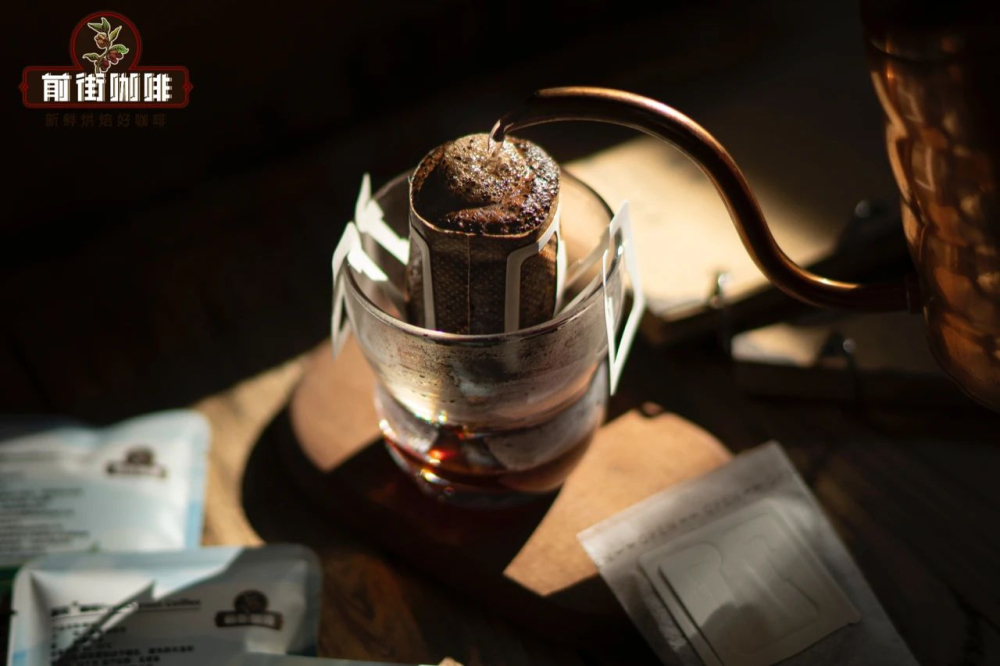
From the production process perspective, drip bag coffee's manufacturing flow is relatively simple: first, selected coffee beans are ground to powder in standard proportions, then packed into specially made filter bags and sealed. This design retains the freshness advantage of freshly ground coffee while solving the inconvenience of carrying and brewing. It is worth noting that because the coffee powder in the drip bag is freshly ground, consumers can choose coffee bean combinations of different roast levels and flavors according to personal taste preferences.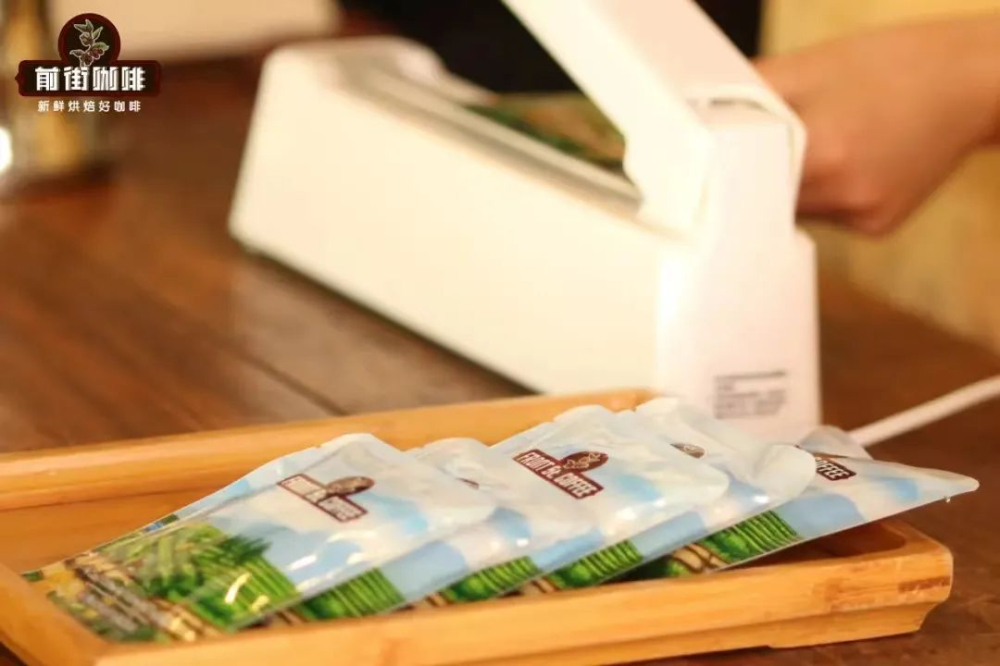
Once coffee beans are ground into powder, the aromatic substances and carbon dioxide within them escape at a relatively fast rate, which directly affects the coffee's optimal flavor period. Compared with whole coffee beans, ground coffee is generally recommended to be used up within 1-2 weeks for the best flavor performance. This is also why drip bag coffee, despite its convenience, is slightly inferior to whole-bean coffee in flavor durability. To preserve the coffee's aroma to the greatest extent, it is recommended to store drip bag coffee in a cool, dry place and to finish it within a short time after opening.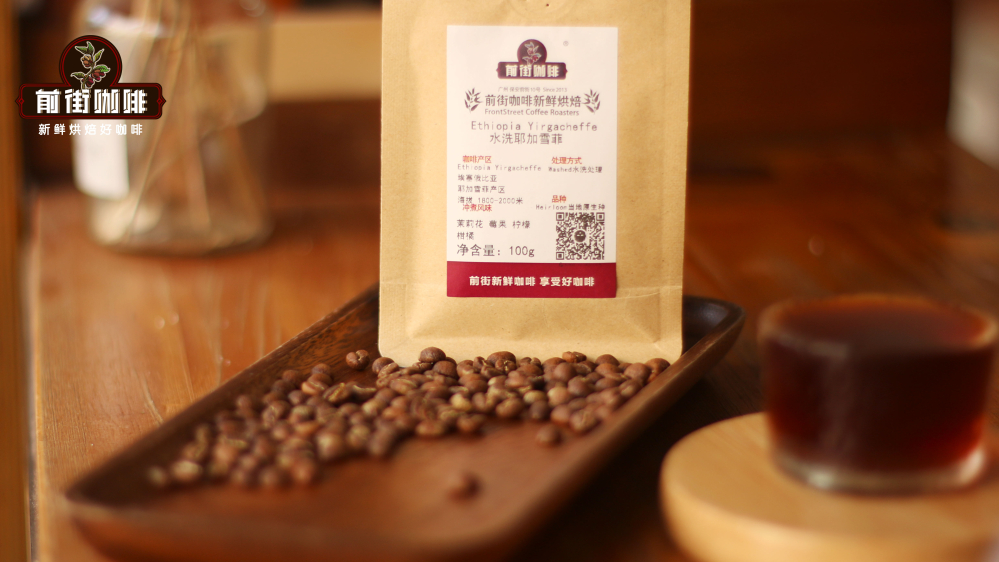
To brew a flavorful cup of drip bag coffee, the key is mastering the correct brewing parameters. Generally, each bag of drip bag coffee is recommended to be brewed with 150-180 milliliters of hot water; this water volume range ensures the coffee powder is fully extracted while avoiding over-dilution. If you do not have precise measuring tools, you can estimate by observing the water level lines of commonly used cups, which usually corresponds to a water level height of 130-160 milliliters.
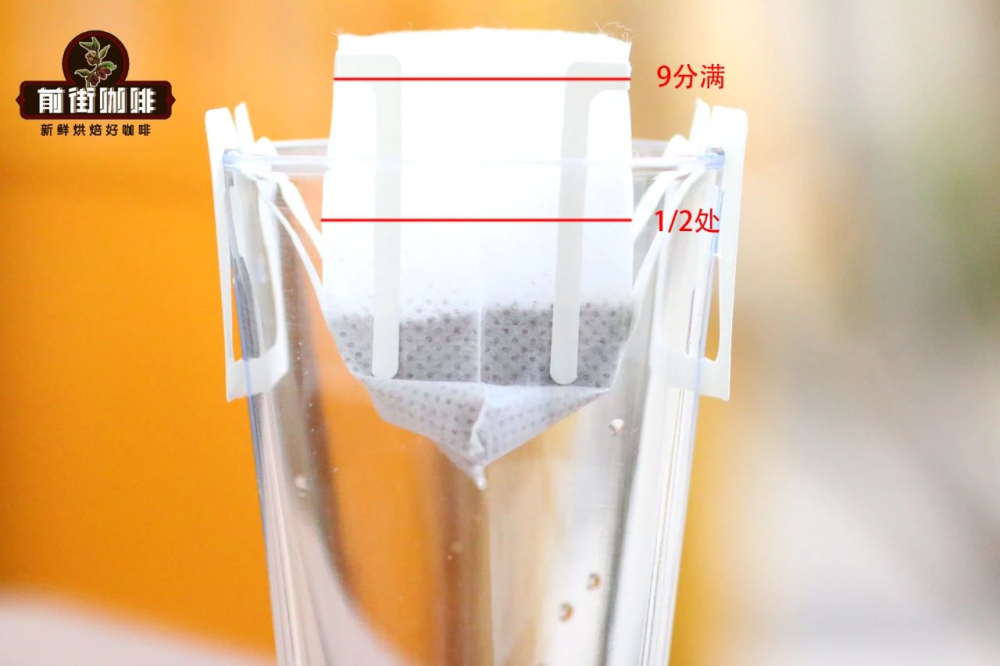
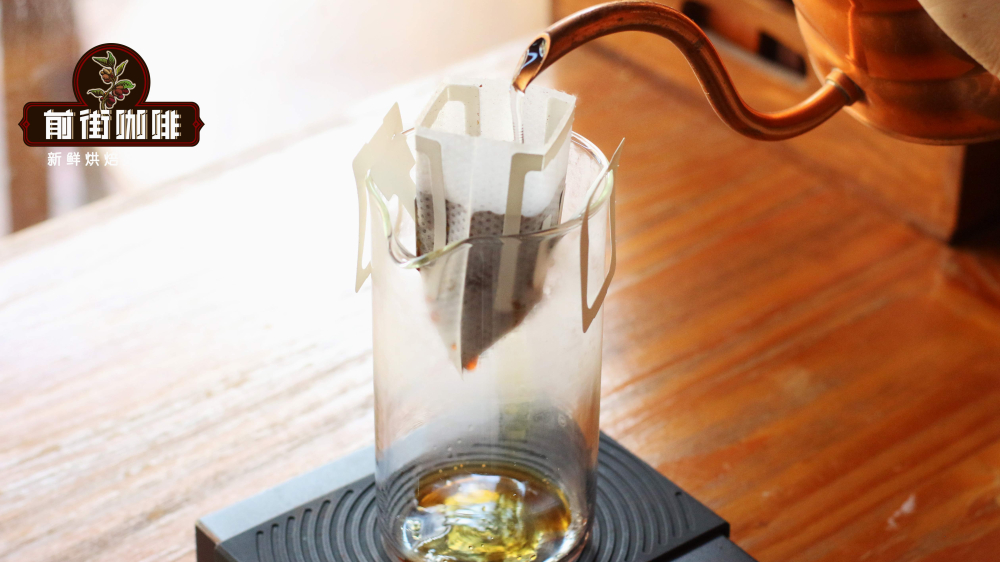
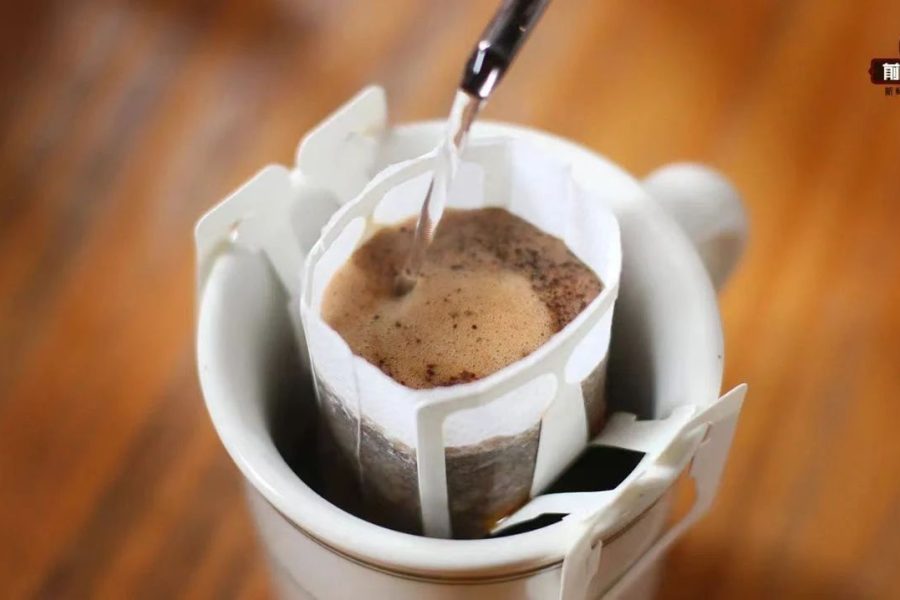
The specific brewing method can use a staged pouring approach: first pour hot water to about half the height of the filter bag, and after the coffee liquid has completely dripped through, switch to a thin, slow stream and pour to nine-tenths full. After waiting for the coffee liquid to fully penetrate, repeat the second pour to nine-tenths full. This gradual brewing method helps fully extract the coffee's flavor substances, ultimately yielding a cup of black coffee with moderate strength.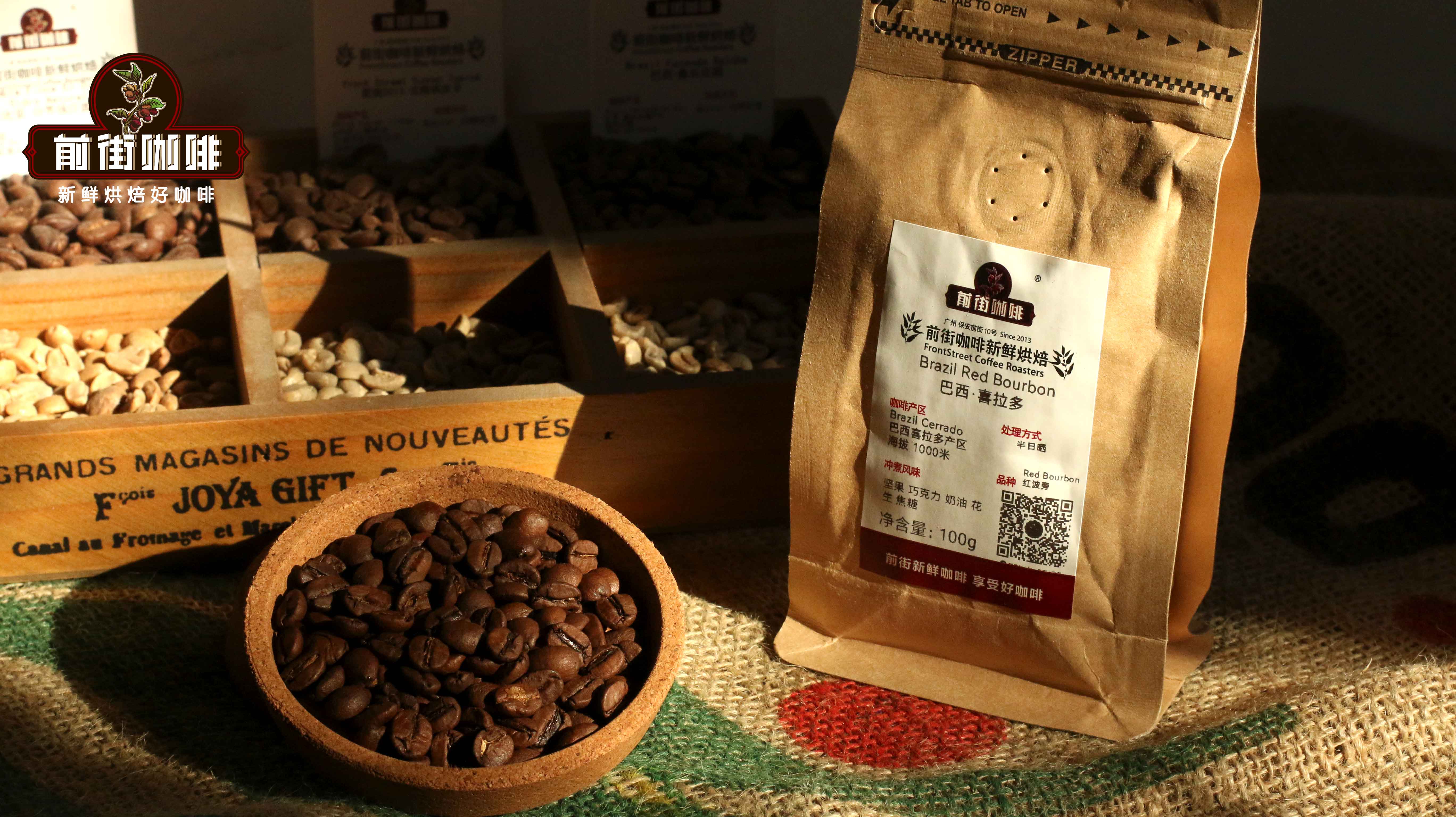
Different roast levels bring completely different flavor experiences. Medium-light roast coffee usually shows bright fruit acidity and floral-fruity aroma, suitable for coffee lovers who like a fresh taste; medium roast balances acidity and body, with nutty and chocolate flavor characteristics; and dark roast coffee is known for its rich caramel feel and full-bodied mouthfeel, with relatively obvious bitterness but rich layers.
For consumers who prefer a low-acid, full-bodied taste, it is recommended to focus on dark roast coffee varieties. These coffees, after a longer roasting time, have their acidic substances fully neutralized while developing rich caramel, spice, and chocolate flavors. Dark roast coffee is usually more versatile, pairs well with ingredients such as milk, and is also an ideal choice for making lattes and other milk coffees.
During brewing, water temperature is also a factor that cannot be ignored. It is generally recommended to use 90-96°C hot water for brewing; this temperature range can effectively extract the coffee's flavor substances while avoiding over-extraction and bitterness caused by high temperatures. If you use an electric kettle with adjustable temperature, it is recommended to set the water temperature within this range; if you do not have a thermometer, you can boil the water and let it sit briefly before use.
Finally, it should be noted that although drip bag coffee offers convenience, there is still a certain gap in flavor performance compared with professional pour-over. To obtain the best experience, it is recommended to choose drip bag products made from freshly roasted coffee beans and to pay attention to proper storage. By mastering the correct brewing method and parameter adjustments, even drip bag coffee can present a satisfying flavor performance.