2024 Top-Rated Drip Bag Coffee: 5 Arabica Flavor Profiles and Brewing Guide
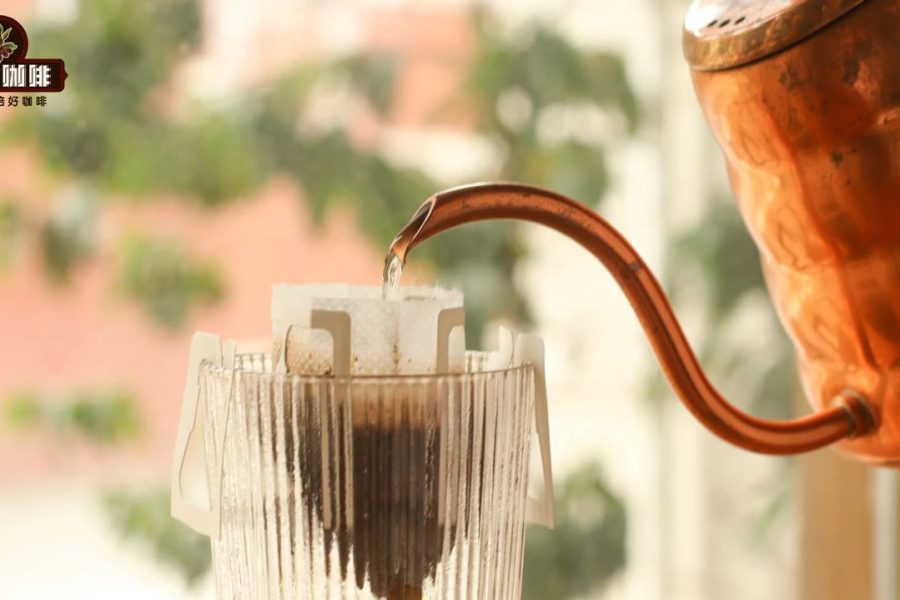
Introduction: As a convenient alternative to pour-over coffee, drip bag coffee has become a daily choice for coffee enthusiasts in recent years. Compared with instant products, it preserves the flavor layers and aroma of freshly ground coffee and is easy to carry. This article introduces the origins of drip bag coffee and key points for choosing one, and recommends 5 classic drip bag products from different origins, covering diverse flavors from bright fruit acidity to rich nutty notes, to help beginners quickly find the option that suits them.
The design of drip bag coffee was inspired by portable drip brewing technology from 1990s Japan, using an individual filter bag and foldable handles to enable simple pour-over brewing. This format retains the flavor expressiveness of pour-over coffee while solving the problem of cumbersome operation with traditional equipment, making it particularly suitable for coffee consumers seeking a balance between efficiency and quality.
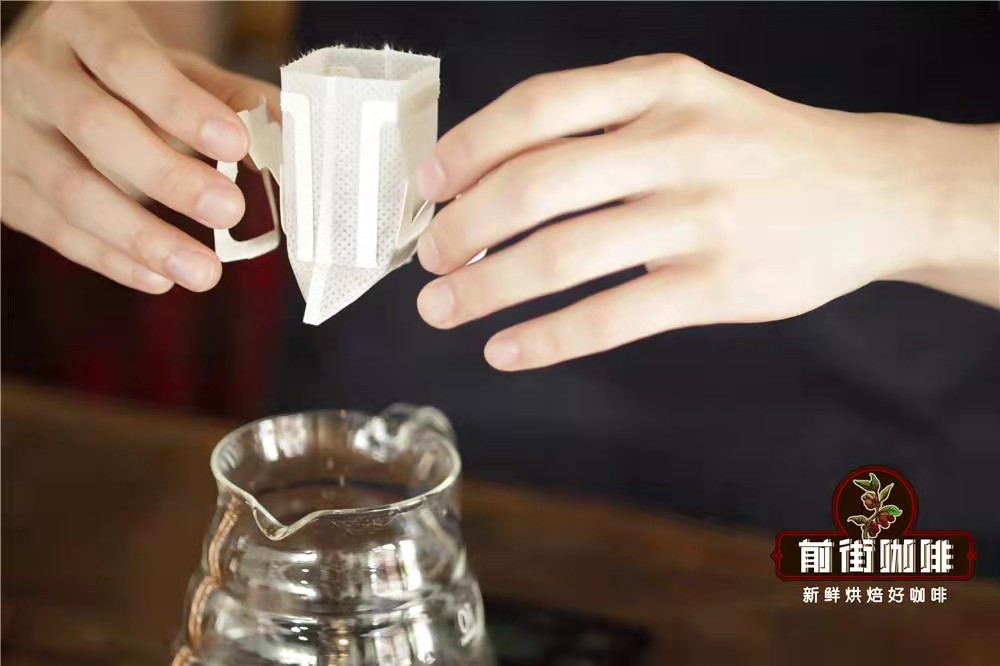
Unlike instant coffee, which relies on artificial flavorings, quality drip bag coffee is made from freshly roasted Arabica coffee beans that are ground. Its flavor characteristics can be judged through three core dimensions: roast level (affects the balance of bitterness and sweetness), regional microclimate (determines the base flavor profile), and processing method (such as natural/washed, which affects fruitiness or cleanliness). First-time tasters are advised to start with medium-light roast products and gradually explore the differences among flavors.

When choosing, focus on three elements: first, confirm the roast date of the coffee beans (ideally used within 14 days); second, check whether the packaging has a one-way degassing valve to maintain freshness; finally, choose products from the region that matches your personal taste preference. For consumers who are often on the go, individually packaged single-serve products can be given priority.
Comparison of regional flavor characteristics:
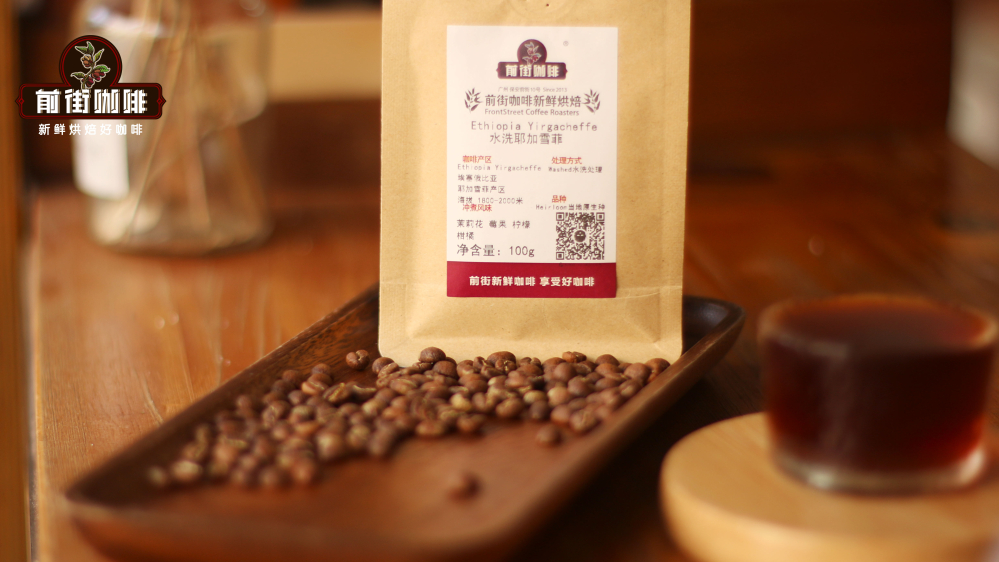
• Highland regions (such as Yirgacheffe, Ethiopia): Under medium-light roast, they often present bright citrus notes and jasmine aroma, with lively but clearly layered acidity, 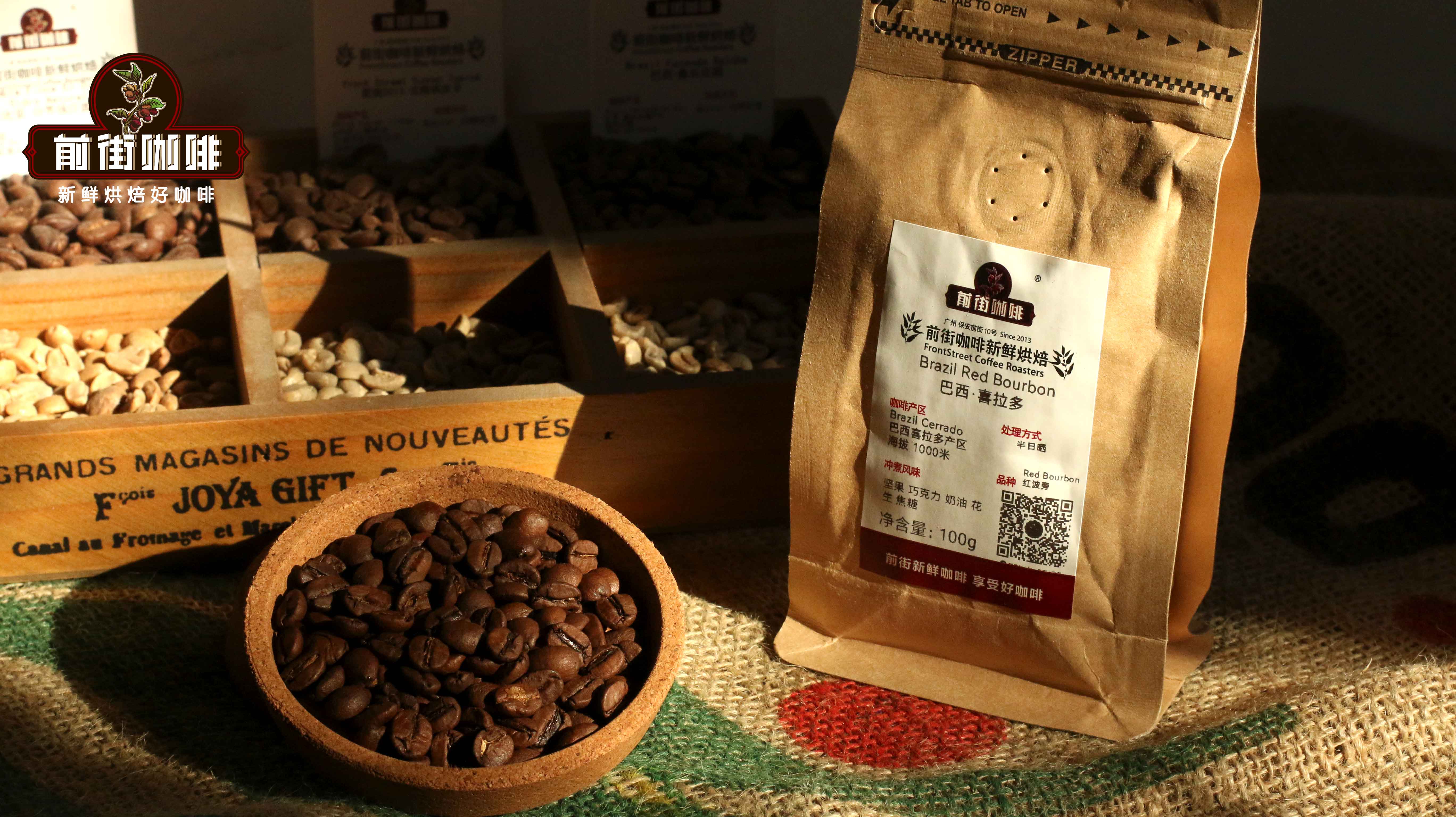 suitable for pairing with light pastries.
• South American regions (such as Cerrado, Brazil): Medium roast highlights the rich body of nuts and chocolate, with a caramelized finish,  suitable for making milk coffee or enjoying on its own.
• Southeast Asian regions (such as Sumatra, Indonesia): Medium-dark roast strengthens herbal and spice notes, with notable body, 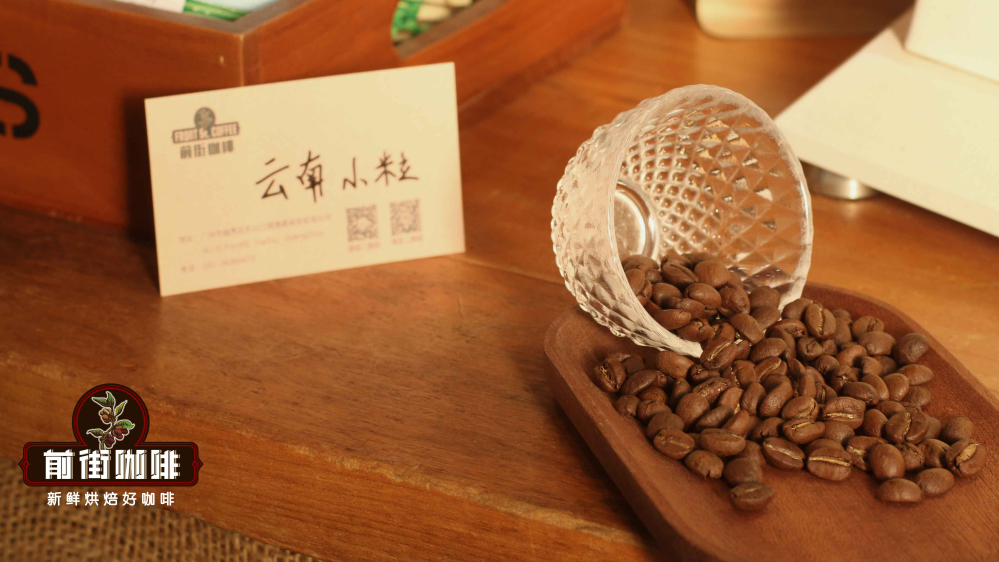 a coarser grind is recommended to avoid over-extraction.
• Yunnan region: In recent years, its specialty grade has improved, and some small-bean varieties show a unique compound flavor of black tea and plum under medium roast, 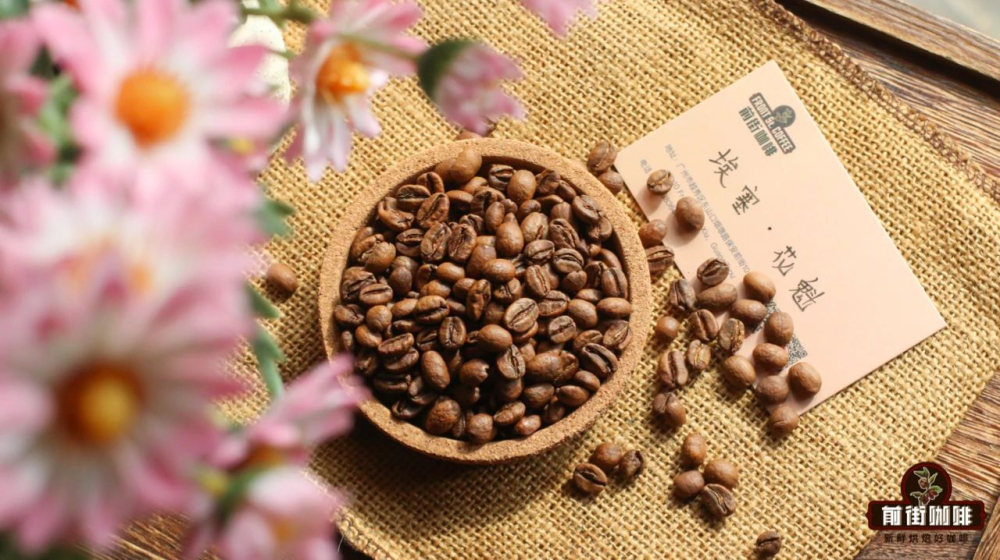 with an obvious value advantage.
• Special processing products (such as natural Yirgacheffe): Intense tropical fruit flavors are obtained by extending the fermentation time of the pulp, the balance of sweetness and acidity requires relatively high brewing skill.
Recommended standard brewing parameters: use hot water at 90-94°C, a coffee-to-water ratio of 1:15 to 1:16, first wet the filter paper to remove papery taste, then pour water in 2-3 stages to complete extraction. Be careful to keep the pouring speed even to avoid local over-extraction that causes bitterness.


