Beginner's Guide: 5 Highly Rated Drip Bag Coffees and Pour-Over Techniques
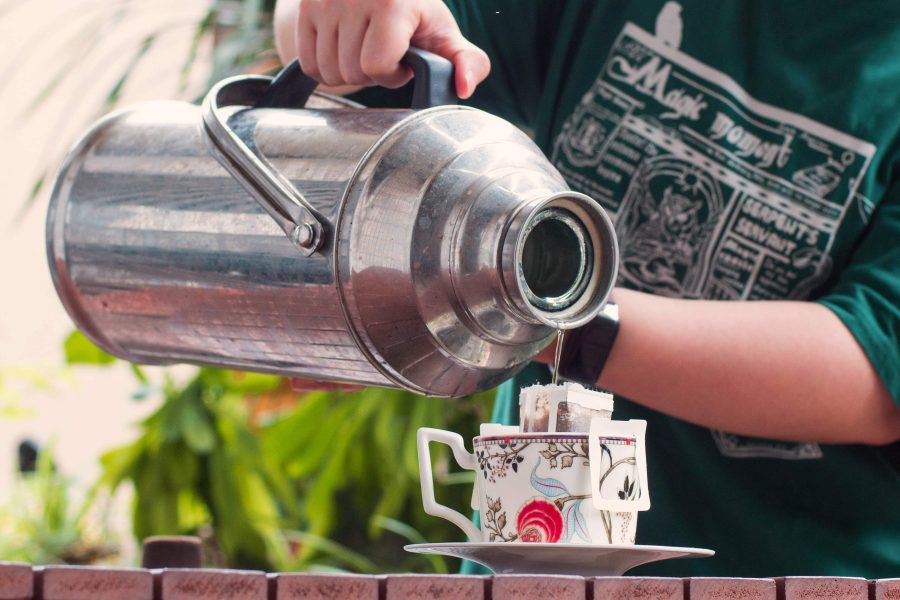
Introduction: From the principles of drip bag coffee to brewing practice, this article gives you a systematic understanding of the appeal of drip bag coffee. It not only explains how to choose the flavor you like based on origin and roast level, but also provides a professional five-step brewing method, with 88-92°C water temperature and precise coffee-to-water ratio parameters, to help you extract a layered, rich black coffee even with an ordinary dripper, and solve beginners' common problems such as bitterness and insufficient aroma.
Drip bag coffee, commonly known as "drip bags," is an innovative coffee format that originated in Japan. Its design seals selected coffee grounds in a special filter bag with hanging paper flaps; to use it, you simply hang the flaps securely on the rim of a cup and slowly pour 88-92°C hot water to brew. This method preserves pour-over coffee's extreme emphasis on freshness while overcoming the limitations of traditional equipment—no complex gear is needed, and brewing is complete in 30 seconds, making it especially suitable for mobile settings such as the office or travel. Compared with instant coffee's one-dimensional burnt-bitter taste and artificial additives, drip bag coffee fully presents the regional flavor characteristics of the beans themselves, from bright fruity acidity to mellow nutty notes, meeting diverse taste needs.
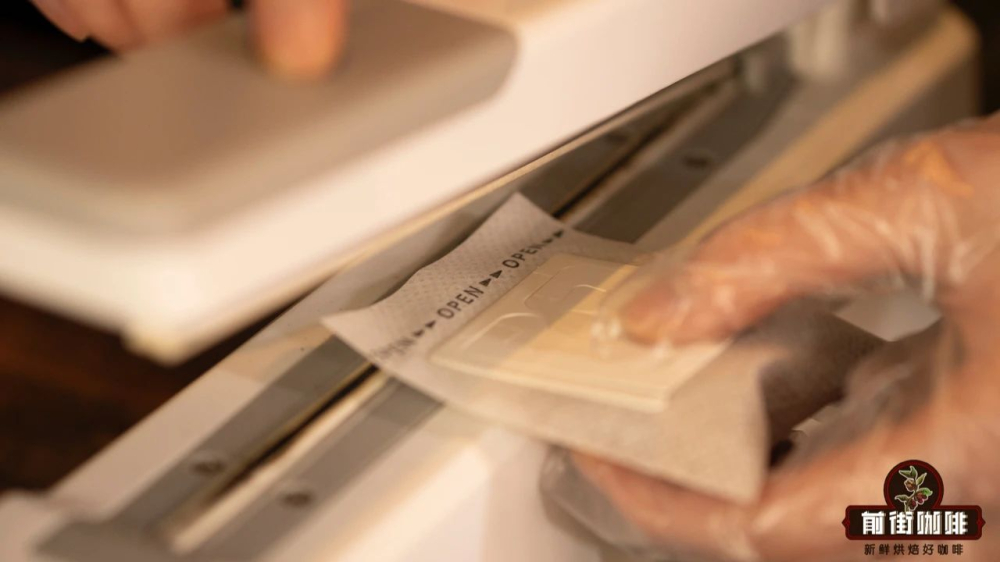
The flavor of truly high-quality drip bag coffee depends directly on the grade and freshness of the beans. Professional roasters typically use a roast-then-grind-immediately process to ensure the grounds retain their best activity for 5 days after packaging. After receiving the product, consumers can make a preliminary freshness assessment by checking the packaging seal and smelling the dry aroma: fresh grounds give off a clear grassy or citrus scent, while stale beans may carry an oily or dull odor. Notably, drip bag coffee strictly avoids added sugar, non-dairy creamer, and other ingredients; all flavor comes from the natural compounds in the beans themselves, so the balance of acidity, sweetness, and bitterness better reflects the quality of the bean source.
For beginners new to drip bags, it is recommended to start exploring the flavor map with classic origins and moderate roast levels. For example, Yirgacheffe from the Ethiopian region of Africa, at a light-medium roast, preserves floral and fruity notes; once brewed, it often reveals white jasmine fragrance and the fresh acidity of citrus fruits, bright on the palate like morning dew, and is especially suited to drinkers who dislike traditional bitterness.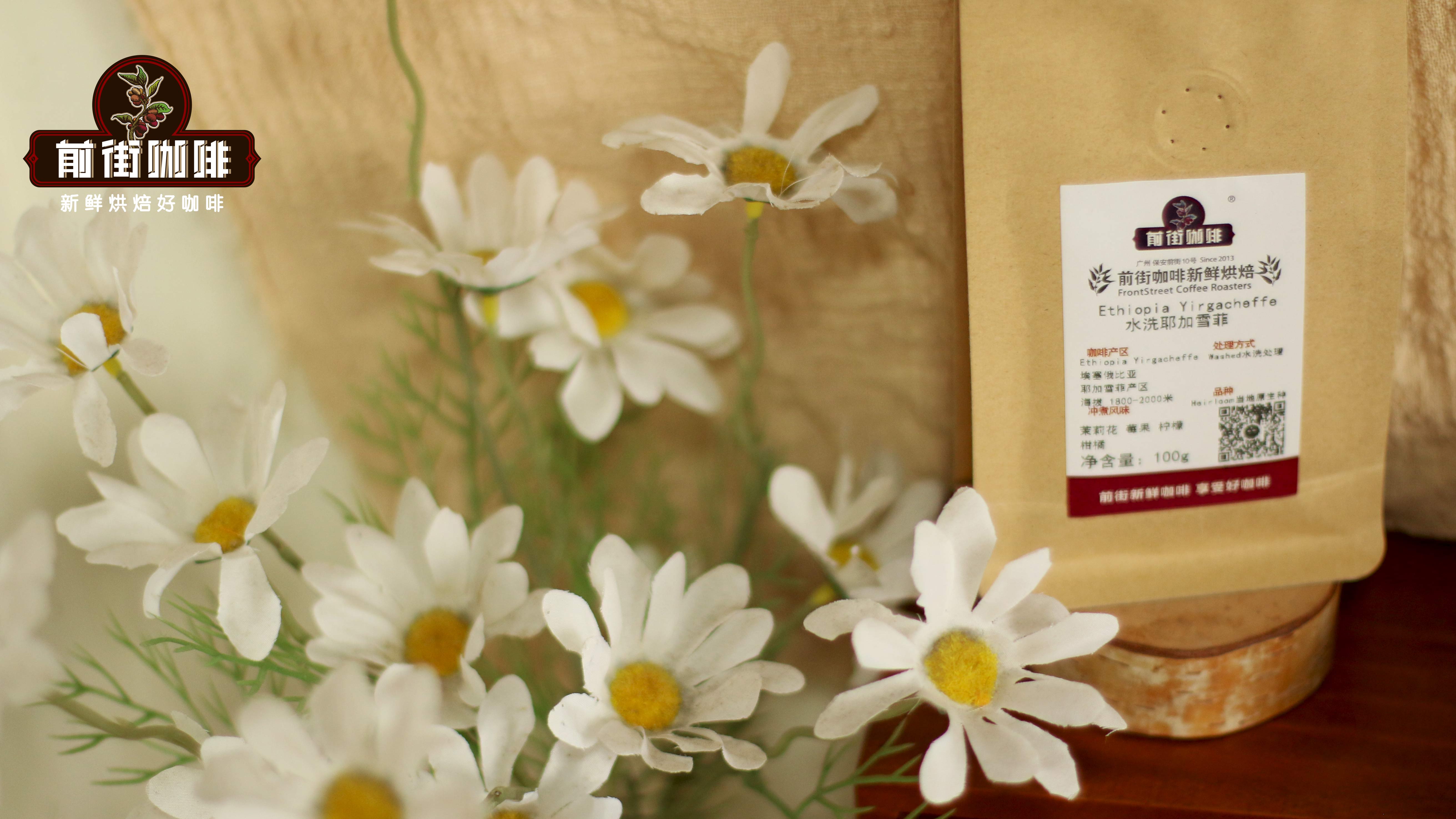 If you prefer a mild, balanced cup, a medium roast from Brazil's Cerrado in South America is an ideal choice—with the roaster precisely controlling the heat, nutty and caramel sweetness dominate, with almost no sharp acidity and a clean, refreshing finish, suited to milk or drinking straight.
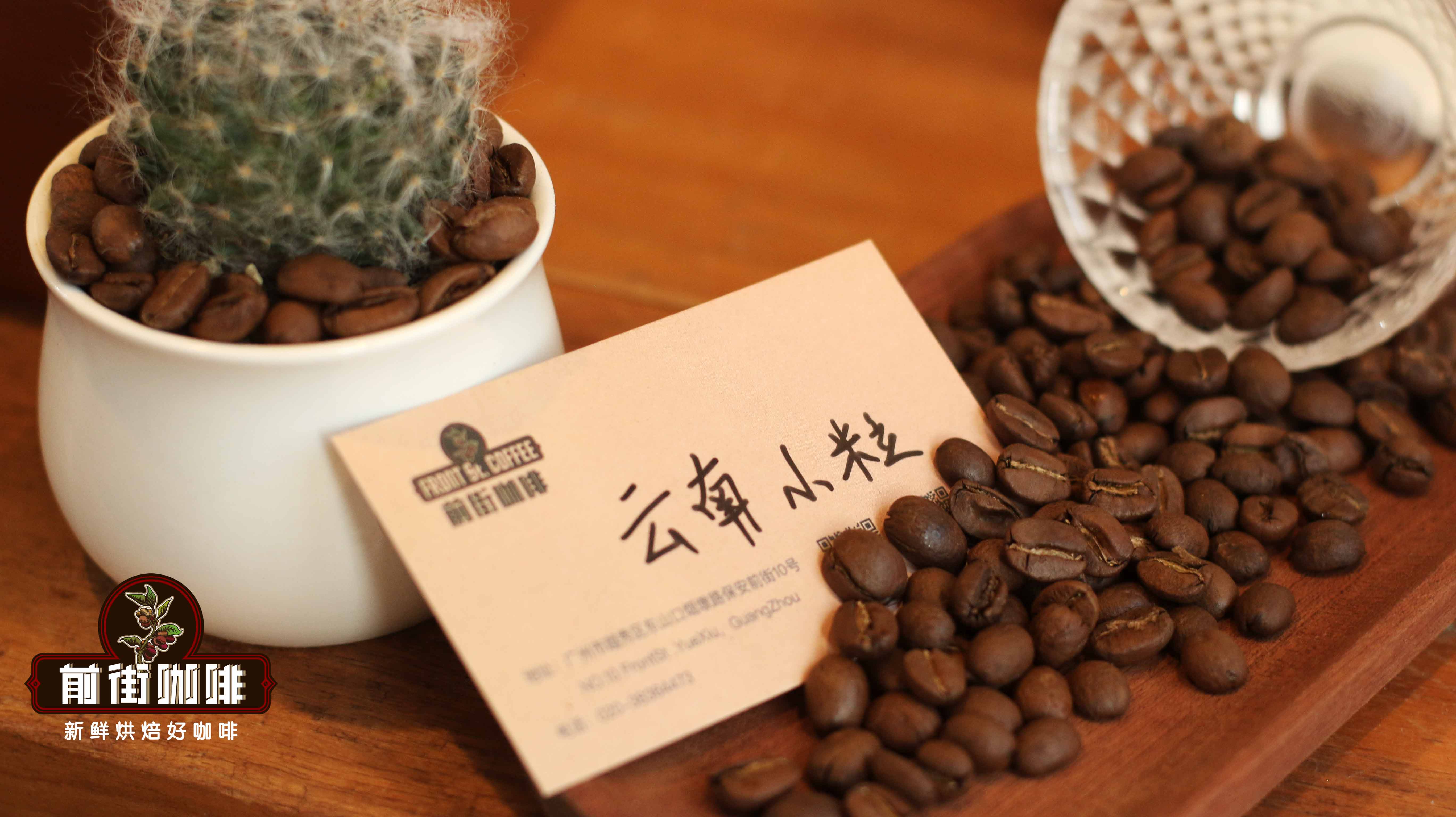
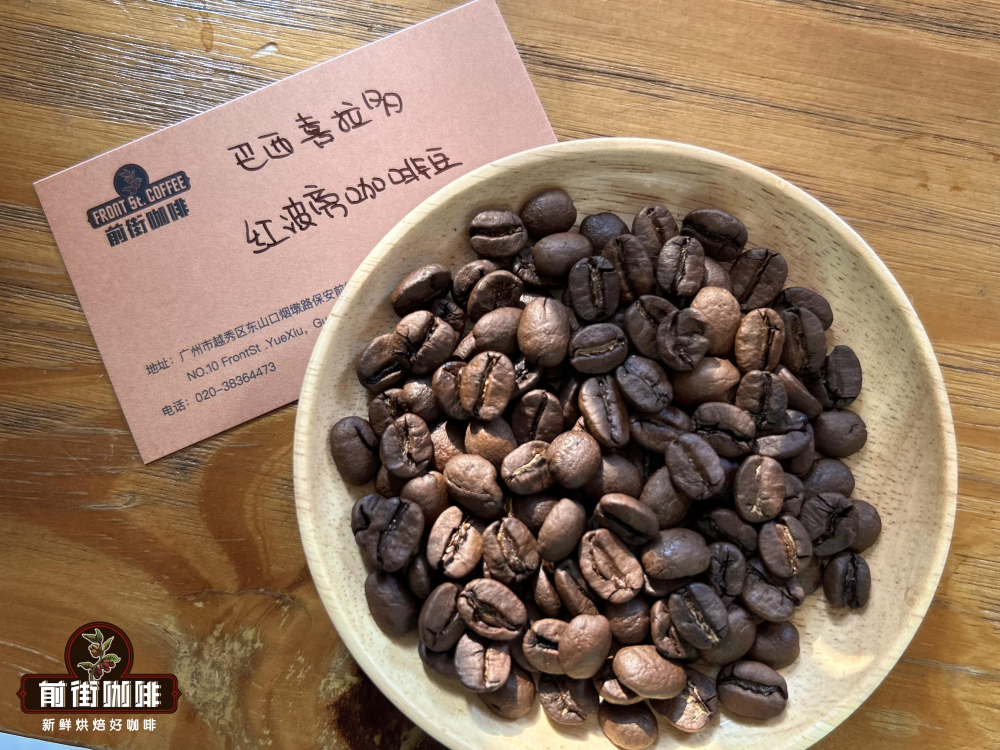 Yunnan small-bean coffee from China has attracted much attention in recent years; Yunnan beans at a medium roast combine roasted nutty aroma with a faint chocolate finish and a subtly discernible herbal note, showing full body at the standard 180ml water volume.
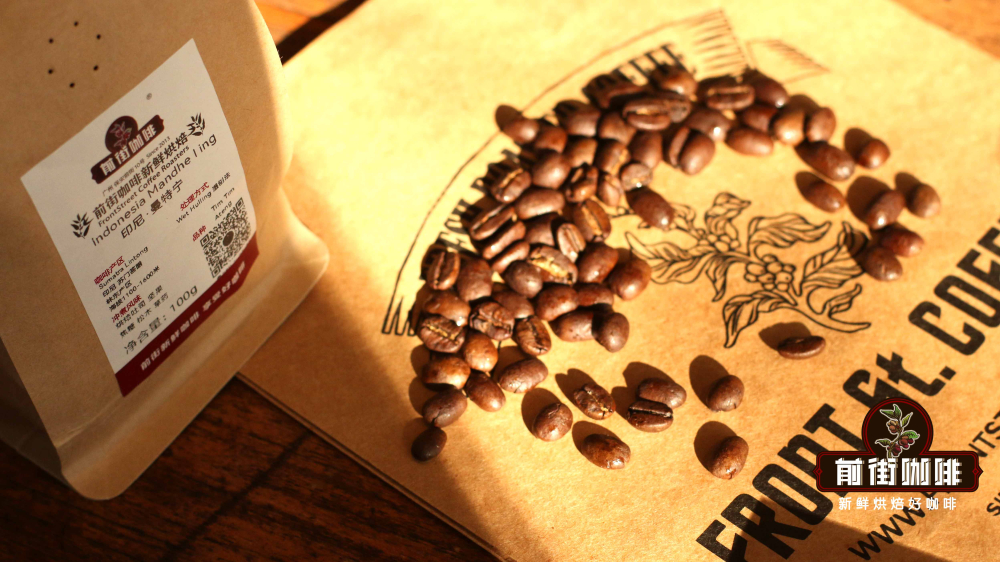
 For users accustomed to intense flavors, the medium-dark roasted Sumatra Mandheling from Indonesia is worth trying, with spicy aromatics interwoven with the heaviness of dark chocolate and a high body that delivers a satisfying experience similar to espresso.
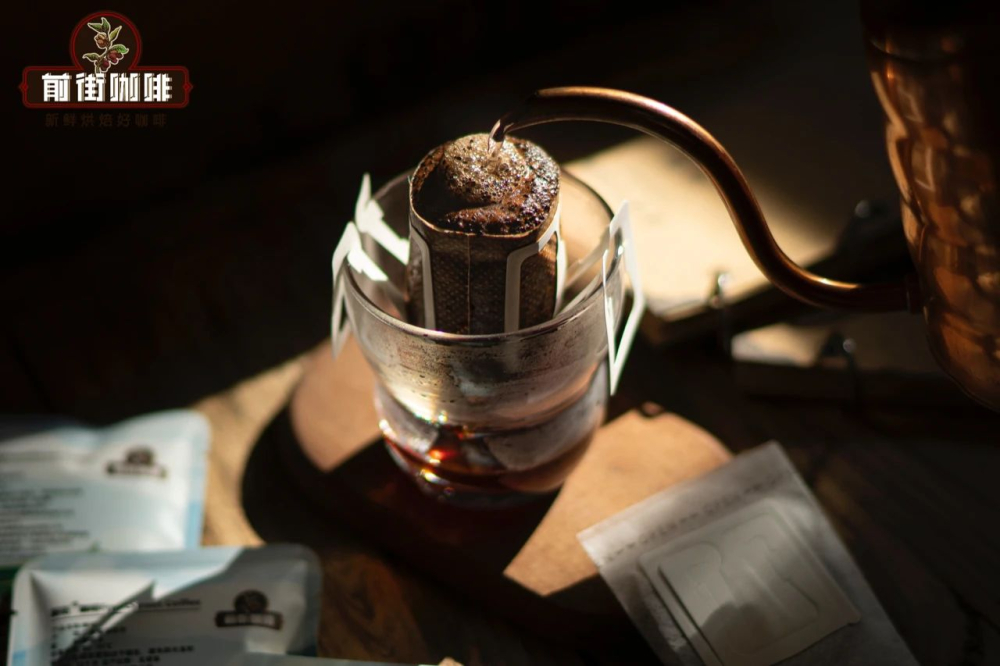
Mastering the correct brewing technique can significantly improve the efficiency of flavor release from drip bag coffee. First, tear open the filter bag along the perforated line, carefully unfold the paper flaps on both sides, and hang it on the rim of a standard mug about 8cm in diameter (avoid wide-mouthed glass cups, which make it unstable). Bring it close and smell the dry aroma to get a preliminary sense of the bean variety's characteristics—high-quality beans usually carry distinct regional signature aromas such as citrus, berry, or nuts.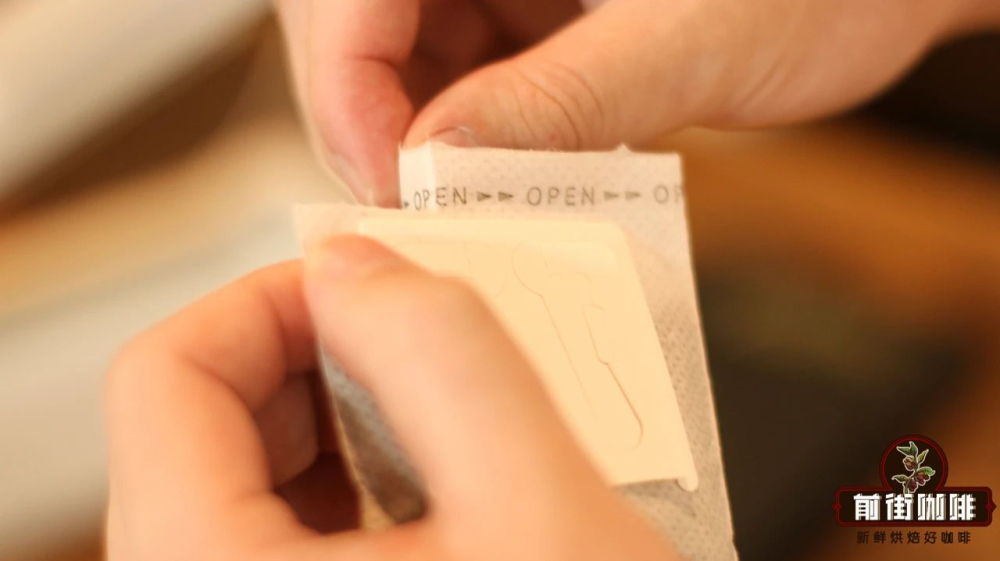 Next, pour in a small amount of hot water for the key blooming step: using a gooseneck kettle, pour in a circular motion from the center of the filter bag outward, keeping the water volume at 20-30ml so that all the grounds are fully moistened. Let it rest for 10-15 seconds, observing the swelling and rising of the coffee bed—this is the process of the grounds releasing internal carbon dioxide, which effectively clears the flow channels for subsequent water and prevents uneven extraction.
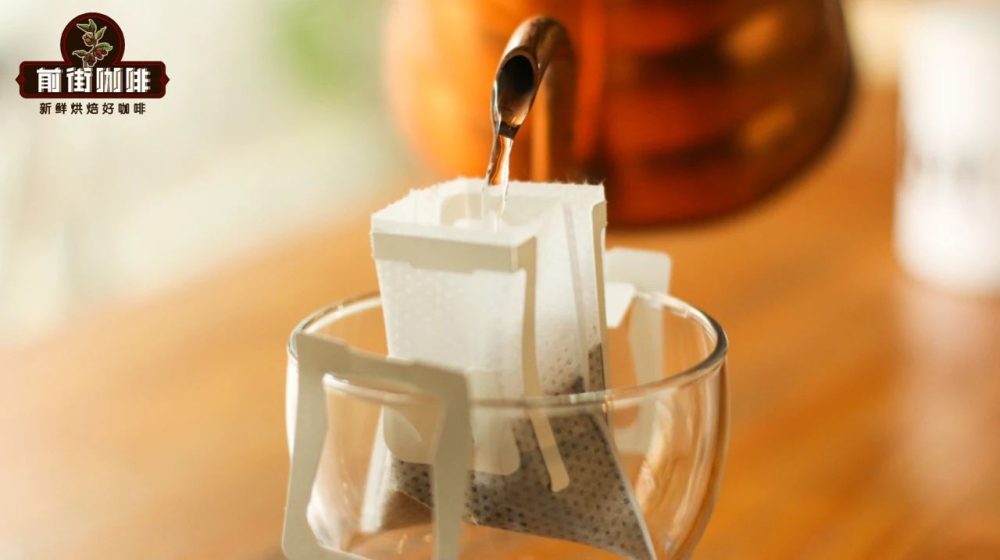 For the main extraction stage, a total water volume of 180-200ml is recommended (about 18-20ml of water per 10g of grounds); keep the water stream about 5cm above the top of the filter bag and pour in a steady zigzag path to ensure every bit of coffee is saturated. If you lack experience, you can fill the filter bag in two pours, waiting 20 seconds between them to observe changes in flow rate.
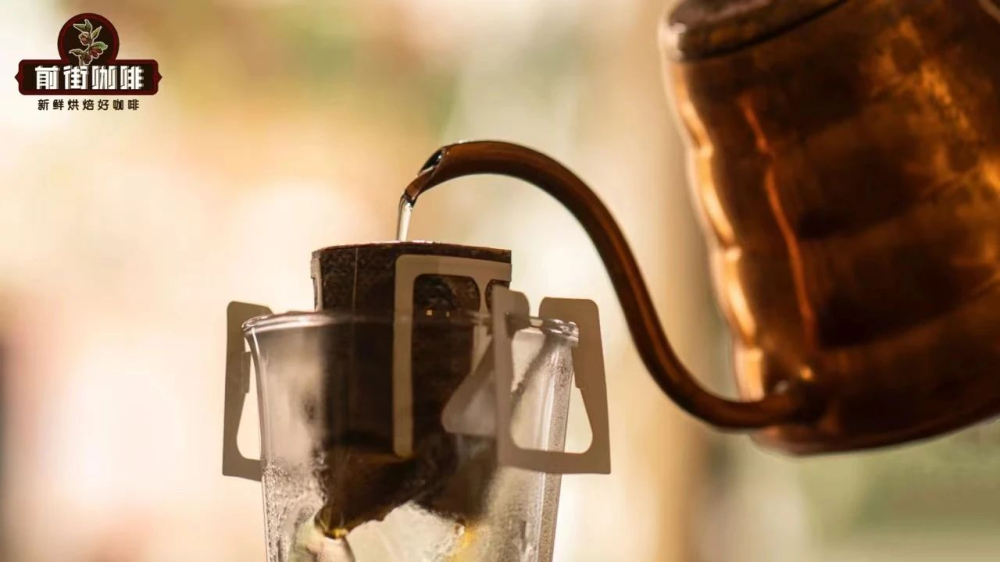 Finally, remove the filter bag and let the coffee rest a moment until it drops to a comfortable drinking temperature (about 60-65°C). The used filter bag can be briefly refrigerated to absorb odors in the fridge, but it should not be reused.


