Coffee powder vs. beans: which is more economical? Key differences between instant and freshly ground coffee
Introduction: Many coffee lovers struggle with the choice: is coffee powder really more economical than coffee beans? And what are the essential differences between instant coffee and regular coffee? This article examines these common questions in full, from raw material quality and production methods to flavor performance, and offers practical buying advice to help you make a wiser choice based on your needs.
In coffee consumption, a common question is: is coffee powder more economical than coffee beans? In fact, commercially sold coffee powder is usually made from lower-grade green coffee beans; after centralized roasting and coarse grinding, its unit price may indeed be lower than specialty-grade whole beans. But note that high-quality coffee beans sold directly by professional roasters—especially those labeled single-origin or micro-lot—are naturally priced higher because of the higher costs of growing, processing, and quality control. This is like the price difference between bulk basic ingredients and selected ingredients when buying food.
The essential difference between instant coffee and freshly ground coffee goes far beyond form. Instant coffee is a soluble granule made by dehydrating pre-brewed coffee liquid through an industrial process; it first appeared during World War II, with the aim of providing troops with a quick brewing solution. Freshly ground coffee, by contrast, is made by directly grinding freshly roasted coffee beans and immediately extracting flavor compounds through immersion, drip filtration, or pressure. The two differ significantly in aroma complexity, mouthfeel layers, and the retention rate of active compounds.
Looking at global consumption habits, Europe and the US still mainly consume freshly ground coffee; in particular, in the US and the Nordic region, pour-over and espresso occupy everyday drinking scenarios. In some Asian countries and Eastern Europe, instant coffee has long held a relatively high market share because of its convenience advantage. This difference is related both to consumption culture and to the different emphasis that various groups place on convenience and quality.
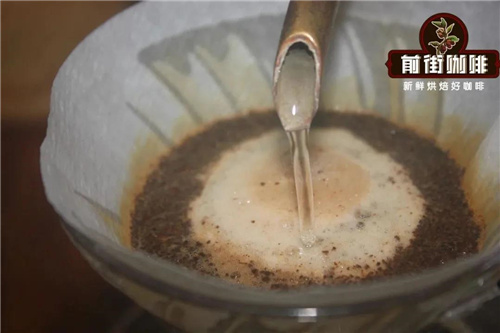
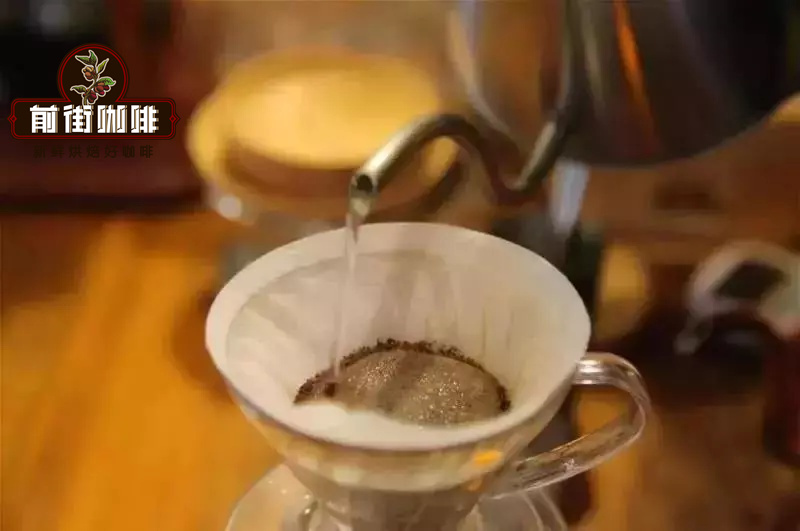
The basic process of making freshly ground coffee involves two key steps: first, the physical grinding of coffee beans, with the grind size adjusted to the brewing method—for example, pour-over suggests a medium-fine grind (similar to the texture of granulated sugar), while espresso requires a very fine powder; second, the extraction stage, in which hot water contacts the coffee grounds to release flavor. Common methods include drip filtration (such as pour-over and drip bags), immersion (such as French press and cold brew), or pressure extraction (espresso machines); cold brew, because it is not heated and has a prolonged extraction time (usually 12–24 hours), develops a uniquely soft mouthfeel.
Instant coffee production goes through three major steps: extraction, concentration, and drying. The traditional spray-drying method causes some heat-sensitive aromatic compounds to be lost; although freeze-drying technology in recent years retains flavor better, it still struggles to reproduce the fresh layers of freshly ground coffee. In addition, instant products often contain additives such as emulsifiers and anticaking agents, so sensitive people should check the ingredient list.
If you are seeking value for money, it is advisable to prioritize small packages of freshly roasted coffee beans (100–200 grams per pack) and grind them as needed; if you value convenience, you can choose reliable instant products, but pay attention to the brewing water temperature (generally 80–90°C is suitable) to avoid excessive bitterness. Either way, freshness is a key factor affecting flavor—freshly ground coffee is best drunk within 15 minutes of grinding, and instant coffee should also be stored sealed and away from light after opening.


