Dark vs. Light Roast Coffee: Flavor and Buying Guide for Low-Acid Americanos
Introduction: Have you ever wondered why some black coffees taste noticeably sour and astringent, while others are mellow and sweet? This article starts from the degree of roast and takes a deep look at the flavor differences between dark and light roasted coffee beans, explaining why dark roasts are usually more bitter and lower in acidity. At the same time, for different taste preferences, it recommends several types of drip bag coffee beans suitable for making low-acid Americanos, including the flavor characteristics and suitable scenarios of medium-dark, dark, and medium roasts, and reminds you how to gauge coffee freshness to get the best flavor experience.
Drip bag coffee and pour-over coffee share a similar extraction principle: both extract flavor compounds by having hot water permeate the coffee grounds. Therefore, the type of coffee bean and the degree of roast directly determine the final flavor in the cup. To brew an ideal Americano black coffee, you first need to start by choosing the right coffee beans.
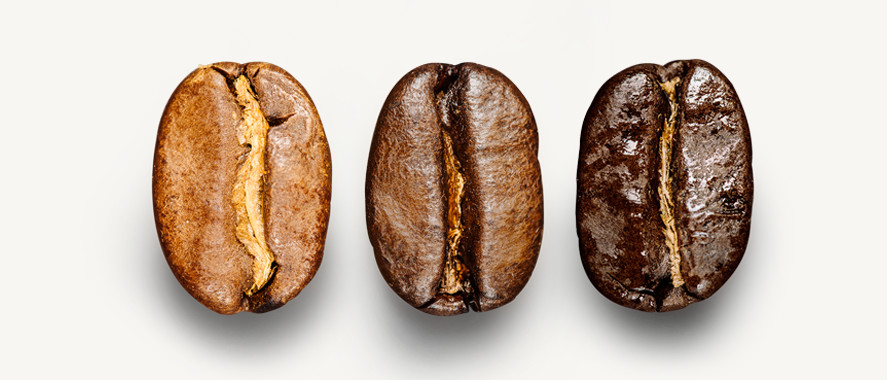
The degree of coffee roast is usually chosen based on the characteristics of the producing region and the target flavor. Green beans themselves are rich in various organic acids and sugars, and the roasting process not only changes color but also profoundly affects the final taste. Light roast, due to the short heating time, retains more acidic substances, so it often has bright fruity acidity and floral notes; as roasting time lengthens and temperature rises, the acidic components in the beans gradually break down, sugars undergo caramelization, bitter compounds increase, sourness weakens, and the mouthfeel becomes mellow or even heavy. This is the main reason why dark roasted coffee is often more bitter and less acidic than light roast.
For consumers who want to taste black coffee with no acidity or very low acidity, it is recommended to prioritize medium-dark to dark roast coffee beans. Coffee at these roast levels not only has relatively prominent bitterness but also suppresses the release of sourness to the greatest extent, making it more suitable for those who pursue a strong, full-bodied taste.
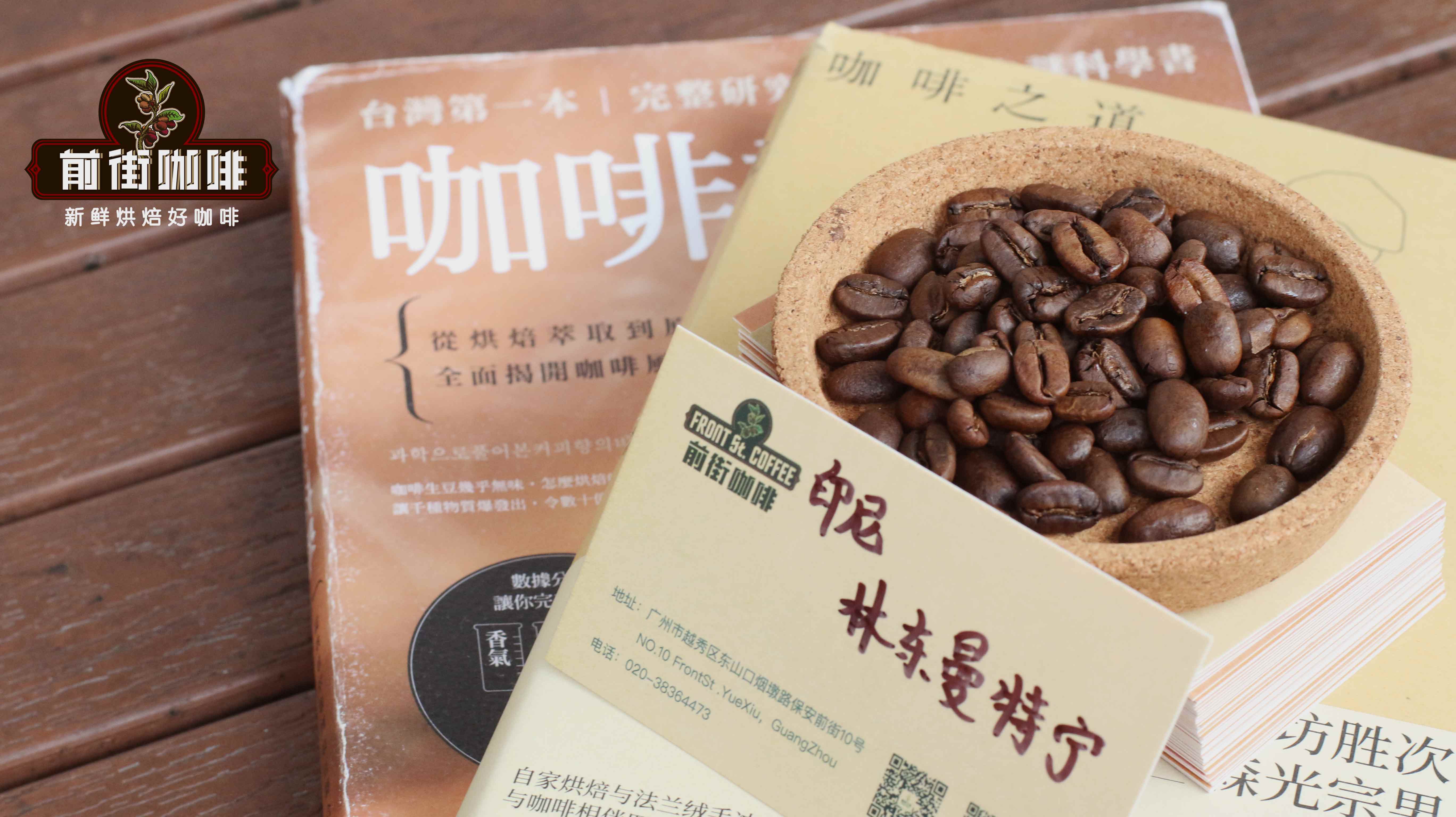
If you cannot accept any sourness at all, you can choose coffee beans that have undergone dark roasting. Typically, this type of coffee has lower acidity, a concentrated mouthfeel, and a long finish. For example, some Indonesian coffees processed with the wet-hulled method have pronounced spice, herbal, nutty, and dark chocolate notes; they are mellow on the palate with almost no sharp acidity, and the overall performance is very balanced. They are well received by users who prefer intense flavors, and are especially suitable for male consumers or those accustomed to heavy-tasting black coffee.
If you want to experience some complexity in your black coffee while also accepting slight acidity, then medium-dark roast is a good compromise. This roast level often brings a complex aroma of nuts, creamy chocolate, and caramel; the sourness is weak but not completely gone, and the taste is relatively balanced, suitable for daily drinking, especially for those who neither want coffee that is too sour nor too bitter.
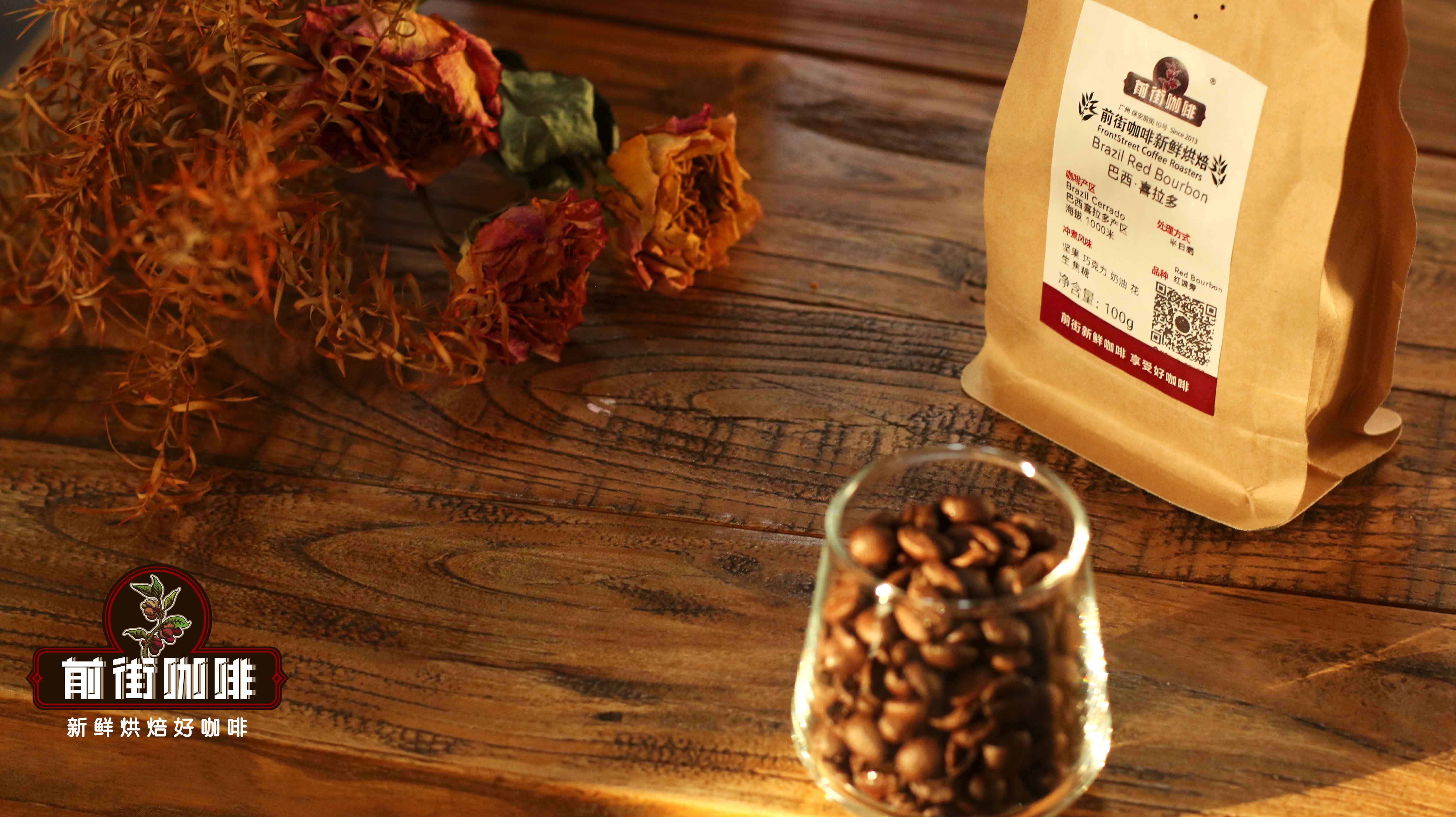
For coffee lovers who pursue a mild, well-rounded taste, medium roast coffee beans better meet the need. This roasting method usually retains the coffee's original clean flavor while not overemphasizing bitterness or sourness. For example, some washed coffees from high-altitude producing regions often present a combination of nuts, brown sugar, chocolate, and slight fruity notes; the taste is soft and layered, very suitable for people who like delicate flavors and a balanced ratio of acidity, sweetness, and bitterness.
Besides the coffee beans' roast and processing method, another key factor affecting the flavor of a cup of black coffee is freshness. Generally, coffee beans are at their best within 40–50 days after roasting, when the aroma and flavor compounds are most intact. However, note that because drip bag coffee has already been pre-ground into powder, greatly increasing the surface area exposed to air and accelerating the loss of aroma, its optimal flavor period is usually only about 20–25 days.
To enjoy the best flavor of the coffee as much as possible, it is recommended to finish drinking soon after opening the drip bag. At the same time, choosing freshly roasted and recently ground products is also very important. Ideally, the coffee grounds should be ground and sealed within 5 days after roasting to ensure the complete retention of flavor compounds. Freshness not only affects the intensity of the aroma but also plays a decisive role in the overall purity and layering of the taste.


