Dehong Hogood Coffee in Yunnan: Planting History and Tasting Guide
Introduction: Explore the Hogood brand of Dehong, the birthplace of Chinese coffee, and how it became a benchmark for domestic coffee. This article details Dehong coffee's development from its introduction in the 1950s to the present, reveals the cultivation techniques behind the high-yield record of 363.5 kg per mu, and analyzes from a professional perspective its unique regional character combining black tea aroma and nutty flavors, offering coffee lovers a reference for bean selection and tasting.
When people mention Yunnan specialties, most first think of Pu'er tea, but when it comes to Yunnan coffee, Dehong Hogood is undoubtedly a name that cannot be avoided. As the first mainland Chinese domestic coffee brand, this area is not only the country's earliest commercial cultivation region but also set an industry record of 363.5 kg per mu, with its products exported to more than 50 countries across Europe, America, and Asia.
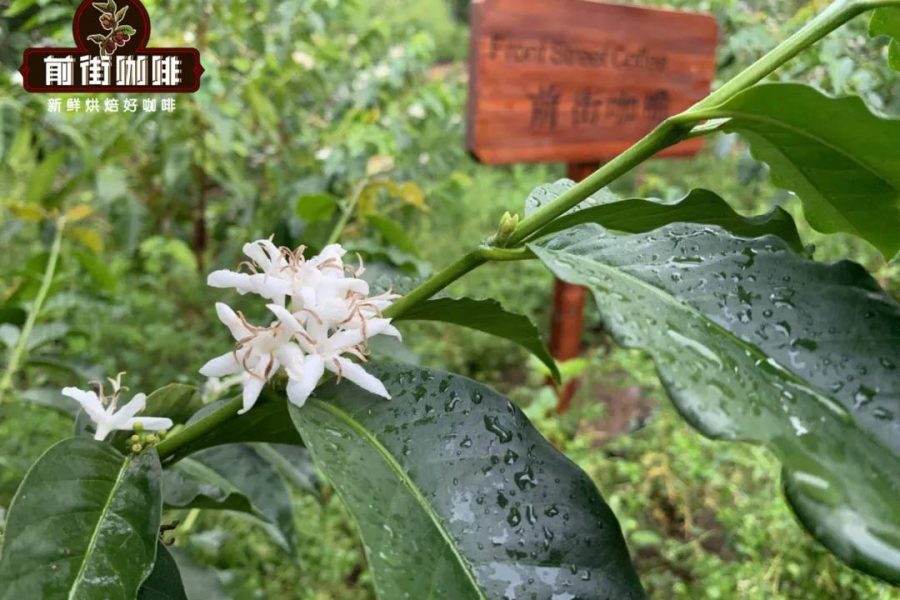
Dehong Prefecture mainly grows Arabica coffee. Data from the 2016/2017 season shows that the prefecture's coffee planting area has reached 270,000 mu, with annual fresh fruit output exceeding 250,000 tons. In 2016, the first Asian Coffee Annual Conference chose Dehong and made it a permanent venue, confirming the region's industrial status. Foreign Minister Wang Yi once publicly commented that Hogood coffee was the best coffee he had ever tasted, a high recognition that gives it a special position in the domestic market.
Looking back at history, coffee cultivation in Yunnan began with missionary activity along the China-Myanmar border in the late 19th century, and Dehong, as a core production area, began its industrialization in 1951. The Luxi Cotton Farmer Station first introduced coffee seeds for large-scale cultivation; in 1956 the Dehong Prefectural Party Committee promoted planting across the prefecture through technical training; and in 1958 a national-level production base was established in Mangshi, focusing on high-yield cultivation and pest and disease control techniques. After several years of development, by 1960 the prefecture's planting scale had reached 15,000 mu, with annual output exceeding 40 tons.
The unique flavor of Dehong coffee is inseparable from its geographical environment. The planting areas have an average elevation of 1,000-1,600 meters and large temperature differences between day and night; combined with the rich minerals of volcanic soil, this creates flavor characteristics distinct from other production areas. Professional cupping often describes it as having a distinct black tea mellowness, a dark chocolate finish, moderate notes of spices such as cinnamon, a sweetness reminiscent of dried cherries, and a soft almond nuttiness.
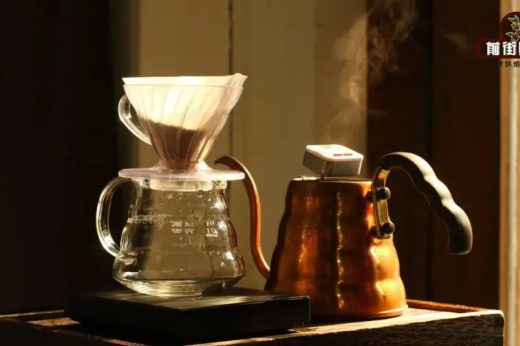
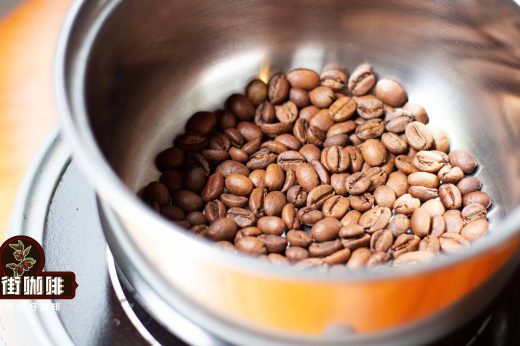
For coffee lovers, the most noteworthy parameter of Dehong beans is the balance they show at medium roast (recommended 11-12 minutes, removed at the dense stage of first crack): bright but not sharp acidity, medium-to-full body, suitable for pour-over or siphon coffee. Recommended pour-over parameters: coffee-to-water ratio 1:15-1:16, water temperature 90-92°C; staged extraction can highlight the layers. When buying, pay attention to the proportion of defective beans; high-quality Dehong beans are usually kept within 3%, and the green beans are dark green with a silvery skin sheen.
It is worth noting that Hogood Dehong's cultivation technology innovations continue to influence industry standards. Its early-established pest and disease control system and high-yield cultivation methods remain an important reference for Yunnan coffee farmers today. With the rise of the specialty coffee wave, local farms have gradually promoted shade growing and organic certification, further enhancing the flavor complexity of the beans.
From the first seed brought by missionaries to today's mature industry exporting to 50 countries, Dehong coffee has witnessed the complete development trajectory of China's coffee industry. Whether exploring historical origins or pursuing unique flavors, the coffee produced in this land is worth savoring in depth.