Baoshan Lujiangba Coffee Growing Environment and Arabica Flavor Guide
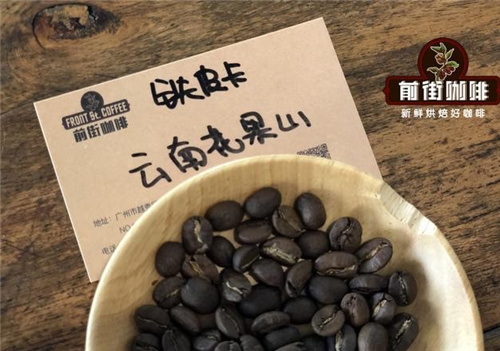
Introduction: Baoshan Lujiangba, with its distinctive dry-hot valley climate on the Gaoligong Mountains, produces Arabica beans with a unique flavor. This article analyzes how local growing conditions affect coffee quality, interprets its aroma layers and mouthfeel characteristics, and provides geographical indication parameters and production data for the region, helping you fully understand the appeal of this high-quality Chinese coffee origin.
At Lujiangba, at the foot of the Gaoligong Mountains in Baoshan City, the Arabica coffee here is renowned for its superior growing environment. Xinzhai Village, under the administration of the Gaoligong Mountain Tourism Resort Management Committee, has about 10,000 mu of coffee fields, and its exceptional natural conditions provide an ideal foundation for coffee trees.
Lujiangba is located on the southern slope of the Gaoligong Mountains and has a typical dry-hot valley climate, with higher temperatures in the valley and distinct dry and wet seasons. The rainy season coincides with the hot season; winters are warm and summers cool, with significant day-night temperature differences. This climate helps the coffee cherries accumulate more dry matter, so the beans contain higher levels of protein, crude fiber, crude fat and sugars, while caffeine content is relatively low, creating the foundation for their unique flavor.
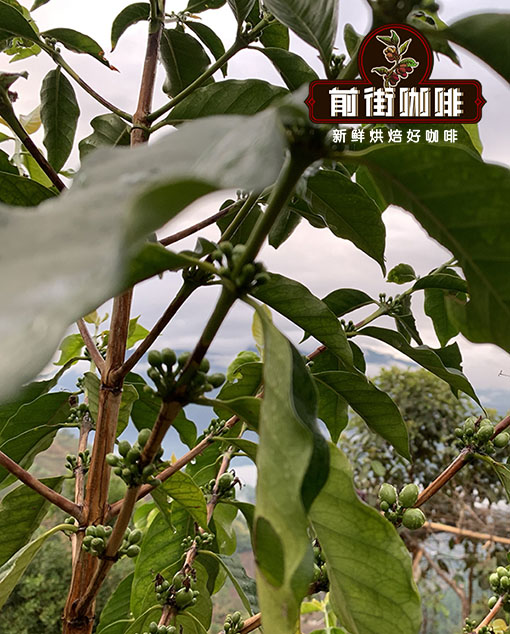
According to local agricultural experts, the area's elevation ranges from 640 to 3,510 meters, with the core growing zone between 98°44′ and 99°05′ east longitude and 24°46′ and 25°33′ north latitude, mostly at 1,000 to 1,500 meters. The region has a subtropical monsoon climate, with an average annual temperature of 21.3°C, more than 2,334.5 hours of sunshine per year, annual precipitation of 721.51 to 1,000 mm, active accumulated temperature above 7,800°C, and essentially frost-free conditions year-round, making it one of the internationally recognized golden belts for small-bean coffee.
Regarding geographical indication protection, the official protected area for Baoshan small-bean coffee covers five locations: Longyang District, Longling County, Shidian County, Changning County and Tengchong County, with a restricted growing elevation of 1,000 to 1,500 meters. Soil types in the area include red soil, dry red soil, sandy soil and yellow soil; soil depth must exceed 60 cm, the water table must remain below 1 meter, and soil pH must be in the slightly acidic range of 5.5 to 6.5. Together these conditions ensure healthy coffee roots and full synthesis of flavor compounds.
In terms of bean processing, local producers mostly use a standardized fermentation process: harvested coffee cherries are placed in fermentation tanks at a controlled temperature of about 20°C for generally 20 to 24 hours; if temperatures are lower, fermentation may be extended appropriately, but the total time should not exceed 72 hours to avoid over-fermentation affecting flavor. After fermentation, the beans must undergo initial drying within 24 hours to reduce moisture content below 45%, with a final target moisture content of 12% to ensure storage stability and flavor performance.
Locally produced Baoshan small-bean coffee is widely praised for its flavor. Professional coffee tasters often describe it as "strong but not bitter, aromatic but not harsh, mellow and smooth," with rich coffee oils, bright and lasting acidity, a soft and delicate entry with a slight bitterness, and excellent overall balance. On the flavor level, delicate jasmine, citrus and osmanthus aromas can often be detected, with a clear sweet aftertaste and a clean, non-irritating finish, suitable for coffee lovers who prefer fruity notes and balanced mouthfeel.
In terms of planting scale and output, by 2015 the Baoshan coffee industry had more than 235,000 mu planted, with annual bean production of about 35,120 tons and total output value of 640 million yuan. Exports totaled 10,086 tons, earning more than 3.65 million USD in foreign exchange; agricultural output value and market sales value reached 634 million yuan and 699 million yuan respectively, demonstrating the region's important position in China's coffee supply chain.
In summary, Baoshan Lujiangba not only has natural conditions ideal for growing Arabica coffee, but also ensures high quality and consistent flavor through strict geographical indication management and standardized processing. For coffee professionals and enthusiasts alike, an in-depth understanding of this origin provides important reference for bean selection and tasting.


