Yunnan Arabica coffee explained: flavor, price, and Baoshan beans
Introduction: This article takes an in-depth look at the core strengths of Yunnan arabica coffee, from the growing environment of dry-hot river valleys at 1,100 meters to the health benefits of flavonoids, and, drawing on data from high-quality regions certified by the International Coffee Organization, explains its distinctive flavor layers between black tea and nuts. It also offers value-for-money bean suggestions from core regions such as Lujiangba in Baoshan, helping you choose quality Yunnan beans in the 15-60 yuan price range according to your pour-over or espresso needs.
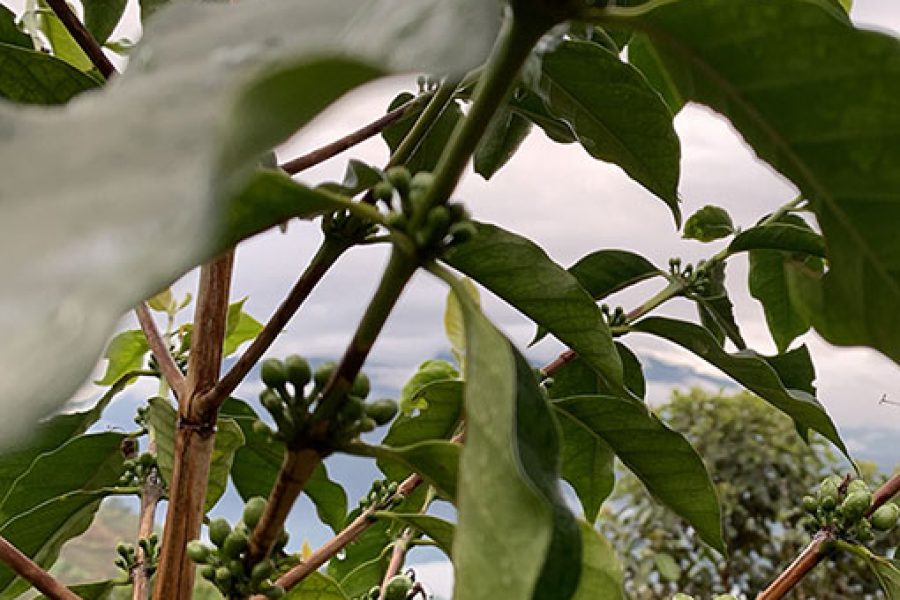
The genetic roots of Yunnan arabica coffee trace back to the Ethiopian highlands, but what truly creates its distinctive flavor is the 1,100-1,800-meter elevation belt spanning seven prefectures and cities in Yunnan, including Baoshan, Lincang, and Pu'er. Here, with more than 2,000 hours of sunshine a year and a dry-hot river valley environment with day-night temperature differences of more than 10°C, the coffee beans develop a firm fruit structure and a slow sugar accumulation process.
As China's only arabica region with conditions for large-scale cultivation, Yunnan accounts for more than 98% of the country's coffee production. Among these areas, Lujiangba in Baoshan, with an average annual temperature of 21.5°C and a climate free of frost all year, has been rated by the International Coffee Organization as a "global specialty coffee potential region"—the Typica and Bourbon varieties grown there have shown, in cupping, clear citrus notes and honey sweetness.
Yunnan coffee's distinctive flavor comes from three natural elements: bright acidity brought by high elevation (pH 5.2-5.8), minerals rich in volcanic soil (potassium content up to 120 mg/kg), and the clean mouthfeel preserved by the traditional washed process. Professional roasters often describe its flavor profile as "a full-bodied black tea base with an almond-nut finish," and some high-elevation lots can also show a balanced hint of dark chocolate bitterness.
As for health value, the flavonoids in Yunnan coffee beans (about 200-300 mg per 100 g) do have antioxidant properties, but note: daily intake is recommended not to exceed 400 mg of caffeine (roughly equivalent to 3-4 standard Americanos). Its chlorogenic acid content is 15%-20% higher than that of ordinary varieties, and this component has a supporting effect on promoting metabolism.
Currently, the retail price of commercial-grade Yunnan coffee beans is concentrated at 15-35 yuan/lb (green beans), while lots from the Lujiangba region that have passed specialty-grade screening (defect rate <3%) typically sell on e-commerce platforms for about 40-60 yuan/200 g. When buying, it is advisable to check first for the elevation label (preferably above 1,400 meters) and the processing method description (washed is more consistent than natural).
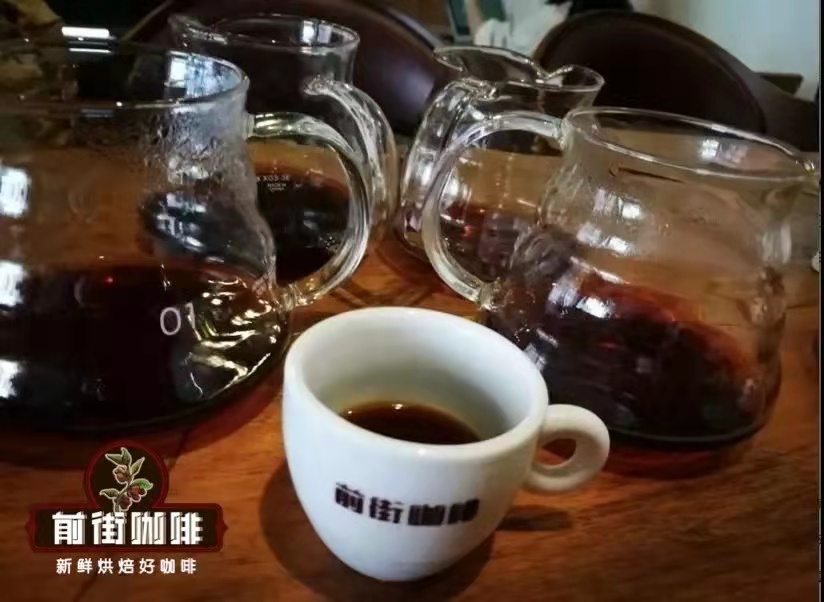
Bean types from the Baoshan region worth trying include:
• Entry level: regular washed beans at 1,200-1,400 meters (18-20 yuan/200 g), suitable for milk coffee
• Intermediate: anaerobic natural lots above 1,500 meters (35-45 yuan/200 g), highlighting berry aromas
• Specialty: competition-grade beans from the Lujiangba core area (50-60 yuan/200 g), with a burst of blueberry and a caramel finish
Brewing parameters for reference: when using a V60 dripper, a coffee-to-water ratio of 1:15-1:16 is recommended, with water temperature controlled at 90-92°C (light roasts) or 88-90°C (medium-dark roasts). Pour-over beginners can start with a medium grind (70% passing a Chinese standard No. 20 sieve), keeping the pouring rhythm at 2 minutes of blooming plus 3 minutes of staged extraction.


