Espresso vs. Pour-Over Caffeine and How Espresso Is Made
Introduction: Have you ever wondered which has more caffeine, espresso or pour-over coffee? And would you like to know exactly how espresso is made? This article answers these questions in detail, comparing the caffeine content of the two and taking an in-depth look at the principles of espresso making, the equipment required, and the key parameters, so you can gain a fuller understanding of these two common coffees.
In the world of coffee, some people love a small, intense cup of espresso and consider it the true essence of coffee, while others see it as a waste of good coffee beans. It may be worth setting aside fixed ideas and exploring a new coffee experience.
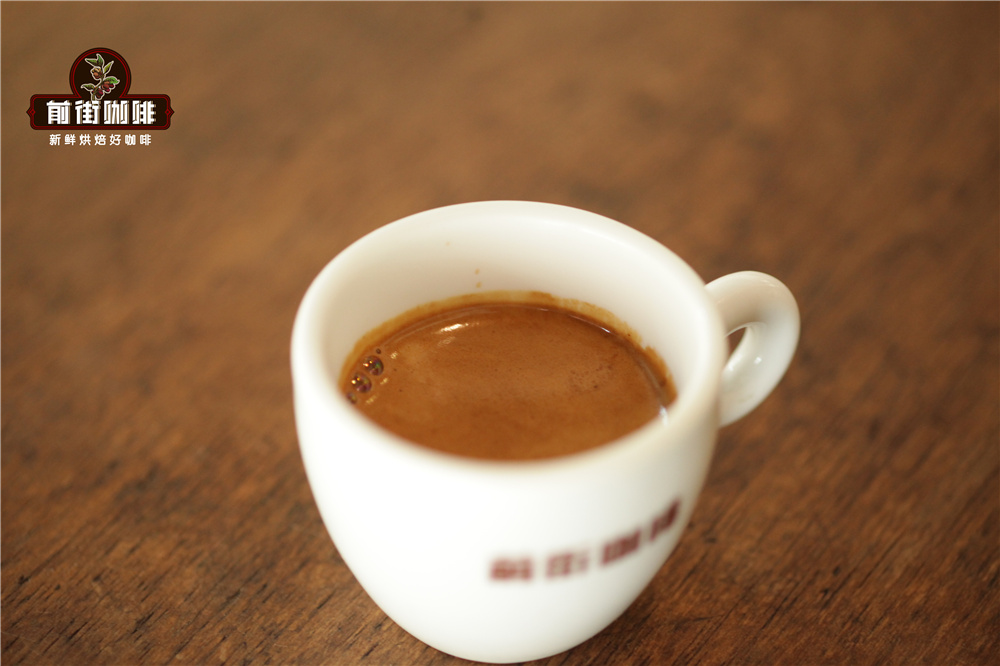
So what is espresso? Simply put, espresso is a method of making a small but intensely flavored coffee. It is brewed by forcing hot water through coffee grounds at very high pressure and speed, which is why making espresso requires a dedicated machine.
The history of the espresso machine dates back to the late 19th century, when it was conceived by Italians. Making this machine work requires a great deal of scientific knowledge. By comparison, the pour-over brewing method is much simpler; technically, all you need is water and coffee grounds to complete the brew, though pour-over has also seen major innovations in brewing methods from places such as Japan.
Next, let us discuss the caffeine content comparison between espresso and pour-over coffee. Many people believe that espresso contains more caffeine than a cup of pour-over coffee, but this is not actually the case. A typical cup of pour-over coffee contains 80 to 100 mg of caffeine, and in some cases its caffeine content can reach as high as 700 mg. A typical espresso yields about 60 mg of caffeine, and even the higher estimates are usually below the 80 mg threshold of a cup of pour-over coffee.
It can be seen that espresso and pour-over coffee each vary in caffeine content, and it is not possible to simply determine which has more; it depends on the angle from which you look at it.
There are many types of espresso machines, including automatic, semi-automatic, and manual. Today, many espresso machines are largely automated, though different types of machines still differ in their production process. Overall, espresso is an Italian-style coffee made using high pressure and fast brewing. To make a good espresso, you need a uniform, fine grind size and a special machine. By contrast, other types of coffee, such as pour-over, are usually brewed by letting water slowly filter through the coffee grounds.
It should be noted that when making espresso, grind size is crucial. If the grind is too coarse, water passes through too quickly, resulting in under-extraction and a weak flavor; if the grind is too fine, water passes through with difficulty, which may over-extract the coffee and make it taste bitter. At the same time, water temperature also affects the flavor of the coffee, and a water temperature of 90–96°C is generally recommended. In addition, when making espresso, the degree to which the coffee grounds are tamped is also important; uneven tamping will cause uneven water distribution and affect the extraction.
So there is no absolute competition between espresso and pour-over coffee. Some coffee enthusiasts firmly believe that espresso is the purest, truest form of coffee, while others prefer the smooth and lively mouthfeel of pour-over coffee. You can choose the coffee that suits you according to your own taste preferences.


