Is Yunnan Coffee Suitable for Espresso? Geisha and Main Varieties Explained
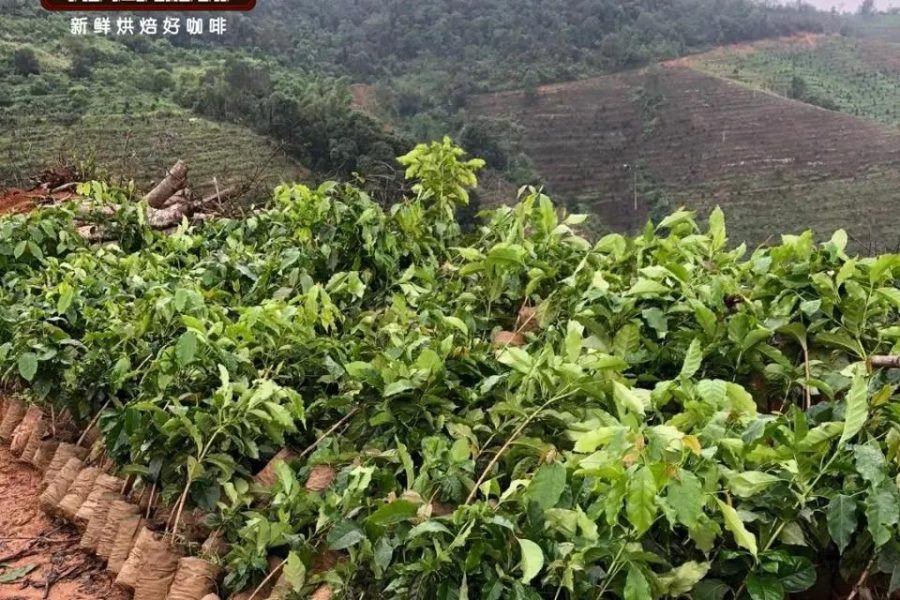
Introduction: As China's only specialty coffee region, can Yunnan coffee beans handle espresso and other popular brewing methods? This article analyzes the performance of Yunnan Catimor, Typica and the emerging Geisha, from variety characteristics and roasting suitability to flavor profiles, and offers professional roasting and brewing advice to help you find the best way to use Yunnan beans.
More than 95% of China's total coffee production comes from Yunnan, where only Arabica varieties are grown. Catimor is the mainstream variety thanks to its strong disease resistance, accounting for about 70% of the region's area. Traditional processing uses the washed method combined with grading by screen size—metal plates with holes sort beans by size, with even screen numbers mostly used for Arabica and odd screen numbers common for Robusta. Over the past decade, Yunnan coffee quality has improved significantly, and some lots have reached specialty-grade standards, showing a bright, clean cup with moderate acidity.
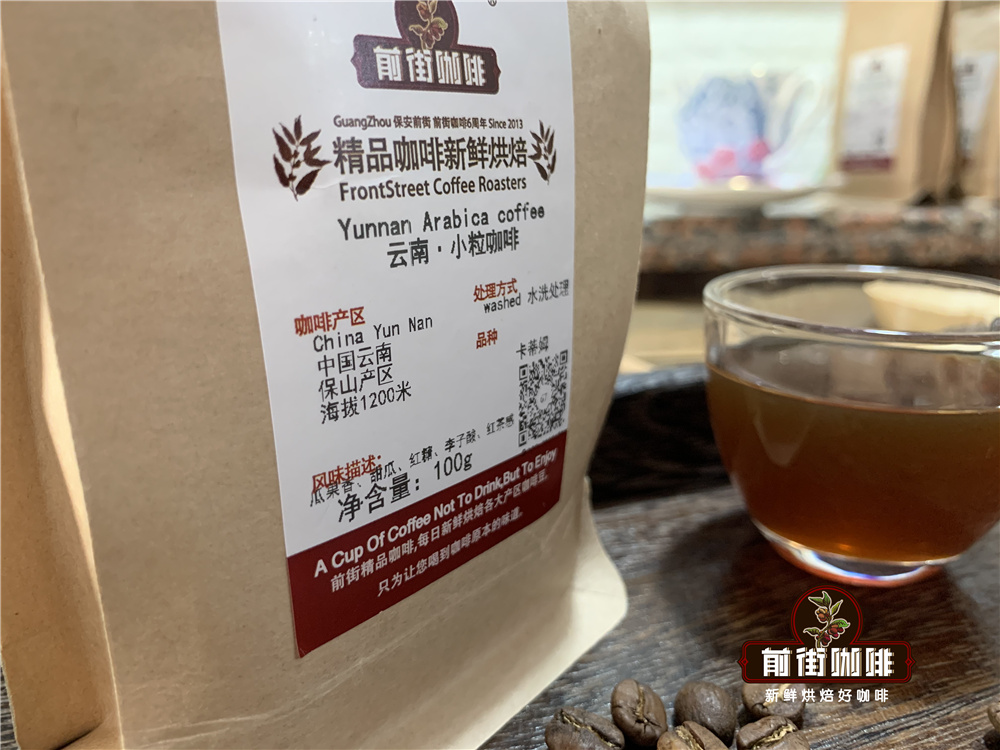
Regarding espresso suitability, medium-dark roasted Yunnan Catimor performs especially well. This widely planted variety has a typical nutty base, accompanied by the brown-sugar sweetness produced during caramelization and a slight plum-like fruit note. We recommend roasting to the early stage of second crack to highlight its full body; for grind size, refer to espresso machine standards (e.g., 5-6 on a Feima 900N), and keep extraction time in the 25-30 second range to achieve a balanced body and sweet aftertaste.
For those who prefer a fresher flavor, the Yunnan Typica variety is worth trying. This old variety retains a more delicate acidity structure, with a mild sweetness reminiscent of licorice root throughout, and although its body is less than Catimor's, it has more layers. A light-to-medium roast highlights citrus aromas, while a dark roast transforms into a complex flavor of dark chocolate and toasted bread. Note that its beans are harder, so you can grind about 0.5-1 step finer to compensate for underextraction.
The Yunnan Geisha variety introduced in recent years is gradually emerging, and its flavor profile is clearly distinct from traditional commercial beans—Geisha grown above 1,200 meters shows elegant floral notes like jasmine tea, with prominent honey sweetness and a tea-like finish. However, this variety is demanding about processing: natural or honey processing is needed to preserve its delicate flavors, and its optimal flavor window is short, so we recommend using it within two weeks after roasting.
In practice, three key points need attention: first, Yunnan beans generally have higher density than imported beans, so the same mesh screen actually holds about 10% more beans; second, during medium-dark roasting, monitor the rate of temperature rise during the dense first-crack stage to avoid over-development and smoky flavors; finally, for espresso blends, you can mix Yunnan beans with Brazilian beans at a 6:4 ratio, which strengthens the sweet base while balancing body. With these details mastered, Yunnan coffee is fully up to the demands of everyday espresso preparation.


