Espresso Grinding and Brewing: Pro Parameters and Techniques
Introduction: Espresso is not something only seasoned coffee enthusiasts can master. With the right grind size and brewing process, you can recreate café-level flavor at home. This article explains espresso grind standards, key points for choosing a machine, and the professional steps from tamping to extraction, helping you avoid common mistakes and improve coffee quality with a scientific approach.
Espresso is often mistaken for a drink so intense it is unpleasant, but in fact it is no fundamentally different from other coffee types—the difference comes only from roasting treatment and brewing technique. All coffee beans can be used to make espresso; the key lies in how to unlock their flavor potential through precise parameter control.
Making high-quality espresso is one of the most rigorous crafts in coffee preparation. The entire process must be completed at about 9 bar of pressure within a strict 20–30 second window, during which a grind deviation of 0.1 mm or uneven tamping pressure will directly lead to over-extraction and bitterness, or under-extraction and sharp acidity.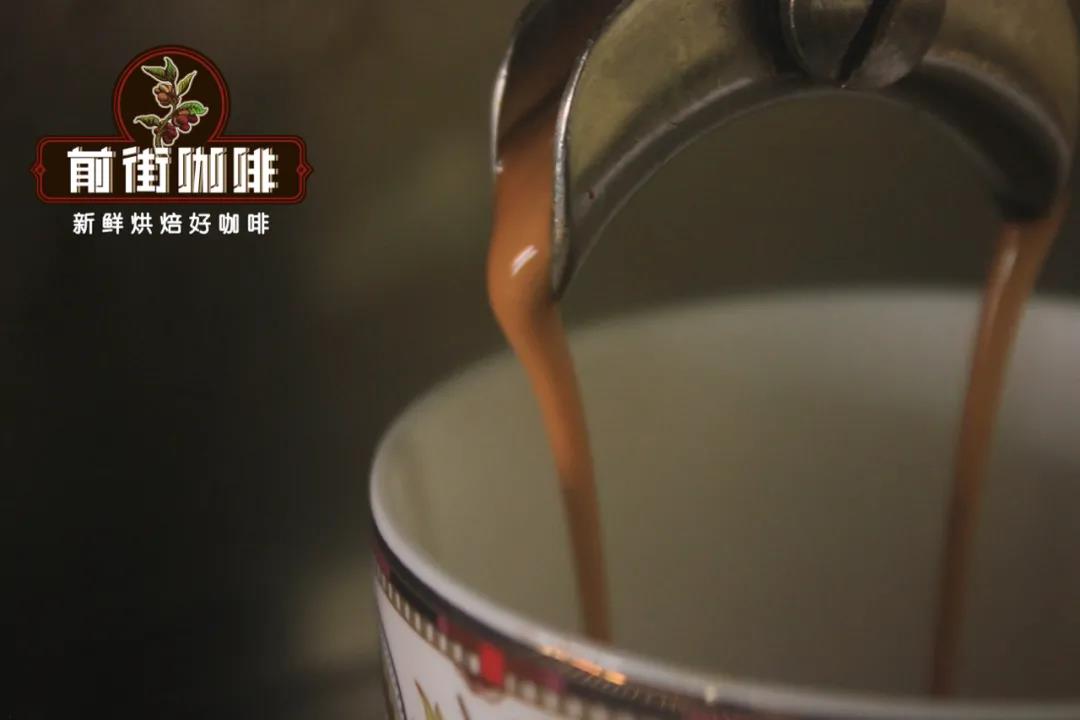 At this stage, any slight adjustment can dramatically change the flavor of the final cup.
The ideal espresso grind should fall between the fineness of flour and the texture of table salt, noticeably finer than the coarse grind needed for pour-over coffee. Pay attention to the particle form: a good espresso grind should appear as an even, powdery clump rather than individual grains. Ordinary home hand grinders (such as the common Hario Skerton model) are limited by their structure and struggle to consistently produce the required ultra-fine powder; a professional electric grinder is recommended to ensure grind consistency.
Among mainstream grinders on the market, models with 11–40 adjustable settings and steel conical burrs are better suited to espresso needs. By precisely controlling the burr gap, such equipment can continuously produce the very fine powder required for espresso extraction. If you make espresso regularly, investing in a professional-grade grinder will significantly improve consistency.
Unlike traditional drip coffee, espresso must rely on a dedicated coffee machine for high-pressure extraction. A standard espresso machine forces water at 92–96°C through the coffee puck at 9±0.5 bar of pressure within 20–30 seconds; this high-pressure environment fully emulsifies soluble substances and aromatic oils, forming the signature reddish-brown crema. Although modern machines mostly come with automatic timing and water-volume control, understanding the underlying principles still helps with precise parameter adjustment.
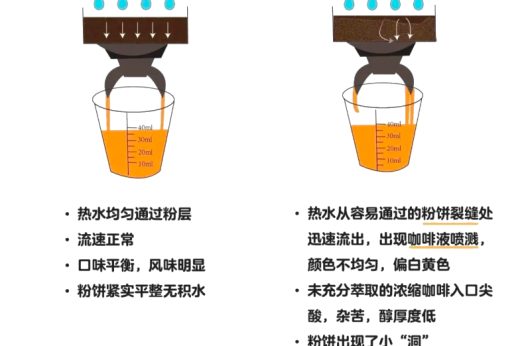
The complete process for making professional-grade espresso includes the following key steps: first, use a tamper to press the distributed coffee grounds to 30–35 pounds of pressure (about 13–16 kg) to ensure even puck density; then install the filter basket in the group head and wait for the machine to reach the ideal temperature range; finally, when starting extraction, watch the flow rate—the ideal state should be 2–3 drops of amber liquid per second, appearing dark brown at first and gradually turning golden.
Common beginner mistakes include over-grinding, which causes channeling, or uneven tamping, which causes local over-extraction. It is recommended to record the parameter combinations after each grind adjustment and verify flavor changes through small-cup tests. Remember that high-quality espresso should have a balanced ratio of sourness, sweetness, and bitterness, with a full body and a clean finish. If there is obvious burnt bitterness or the texture is too watery, first check whether the grind size matches the extraction time.