Cold Brew vs. Hot Coffee: Flavor, Caffeine and Extraction
Introduction: Have you ever wondered why the same coffee beans taste so different when brewed as pour-over versus cold brew? This article takes a deep dive into the core differences between cold brew coffee and hot extraction (including iced pour-over) in terms of extraction method, flavor expression, and caffeine content. Through actual brewing examples, it shows how different temperatures affect coffee's aroma, sweet-acid balance, and body, and includes bean selection advice to help you find the brewing method that suits you.
The core difference between pour-over and cold brew: temperature determines the extraction method
When making coffee at home, pour-over and cold brew are the two most common and simple methods. They don't demand much equipment, yet they present completely different flavors. The biggest difference lies in extraction temperature: pour-over is high-temperature extraction, while cold brew uses low-temperature slow extraction.
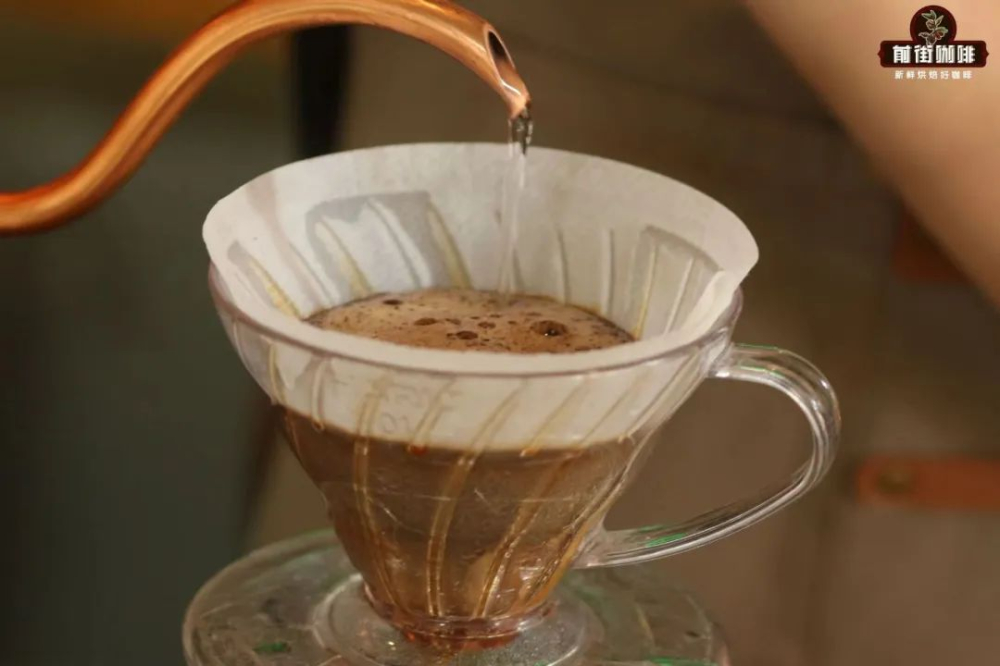
Pour-over coffee (including regular hot pour-over and iced pour-over) uses hot water to quickly contact the coffee grounds at room temperature, usually at 90°C to 96°C. This high temperature rapidly extracts the soluble substances in coffee, including acidity, sweetness, and bitter compounds, so the flavor layers are rich but it should be drunk fresh. Iced pour-over adjusts the coffee-to-water ratio on the basis of hot pour-over, reducing the amount of water to achieve a higher concentration, then cooling it with ice for a chilled mouthfeel.
By contrast, cold brew coffee (also called cold steeped coffee) steeps coffee grounds in room-temperature or ice water, then slowly extracts in the refrigerator at 4°C to 10°C for 8 to 24 hours before filtering to obtain the coffee liquid. This long, low-temperature extraction makes the coffee reaction gentle, reducing the risk of bitterness and over-extraction, while the flavor gradually develops a slight fermented note with refrigeration time. It generally keeps for 3 to 5 days refrigerated. It is worth noting that, due to the longer contact time, cold brew coffee generally has a higher caffeine content than regular iced Americano or pour-over coffee, with a more noticeable energizing effect.
Same beans, different methods: flavor differences at first sip
To more intuitively show the flavor differences between cold brew and hot extraction, we selected a light-roast washed Yirgacheffe coffee (variety code "Gutiti") and extracted it by hot pour-over, cold brew, and iced pour-over respectively to compare their flavor expression.

Hot pour-over has the most three-dimensional and complete flavor. On entry you can feel distinct jasmine and honey sweetness, accompanied by bright lemon and citrus acidity, with a fresh green tea-like finish. The overall layers gradually evolve as the temperature drops, making it suitable for slow savoring. High temperature fully releases the aromatic substances and acidic compounds in coffee—this is the key to the full flavor of pour-over coffee.

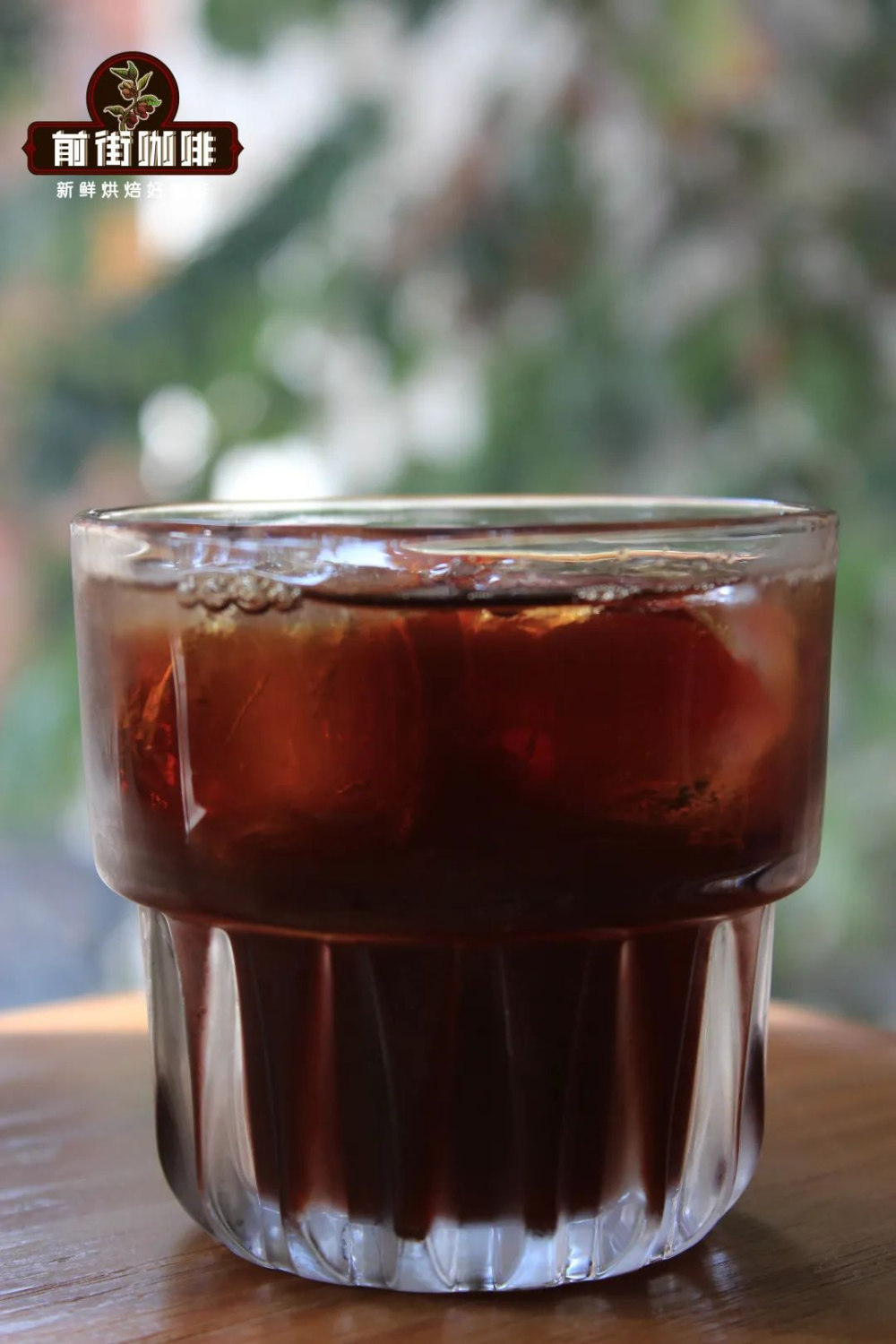
Cold brew coffee, after a night of refrigeration, may show a thin layer of oil on the surface. Its aroma is relatively soft, and on entry it is mainly berry and citrus sweet-sourness, with an overall mouthfeel leaning toward a refreshing iced fruit tea style, but the flavor layers are relatively single and the fullness is lacking. The low-temperature environment limits the release of most volatile aromatic substances, so the aroma concentration is not as concentrated as hot-brewed coffee.
Iced pour-over, also a cold drink, uses a finer grind and rapid high-temperature extraction to dissolve more flavor substances in a short time. Although its overall flavor richness is slightly inferior to hot pour-over, the sweet-sourness is vivid, and with the cooling effect of ice, the mouthfeel is fresher and more refreshing—one of the popular choices for summer.
How does temperature affect the extraction of flavor substances?
Coffee contains various compounds such as quinic acid, amino acids, tannic acid, caffeine, and oils, and the dissolution rate of these substances in water is directly affected by water temperature. In the early stage of extraction, water molecules preferentially dissolve small-molecule fruit acids and sweet substances, followed by large-molecule bitter compounds.

High-temperature extraction (such as above 90°C) is fast and can extract rich acidic, sweet, and bitter compounds in a short time, but it is also prone to over-extraction that increases bitterness, so pour-over requires precise control of time and water temperature. Conversely, in a low-temperature environment, water molecules move slowly, fewer bitter compounds and impurities are released, but the release of many aromatic substances is also inhibited, causing cold brew coffee's flavor to be less rich and full than hot-brewed, with a relatively thinner body.
For this reason, when we taste coffee, the flavor descriptions on the label are usually based on cupping results from high-temperature hot brewing (such as 94°C). Cold brew, having extracted only some of the flavor substances, naturally cannot fully replicate the aroma concentration of hot brewing.

How to choose coffee beans suitable for cold brew and pour-over?
In terms of roast level, medium-light roast coffee beans with prominent fruity notes are more suitable for cold brew, because dark-roasted beans tend to highlight charred and smoky notes under low-temperature extraction, especially in an ice-water environment, where improper grinding is more likely to produce unpleasant bitterness.
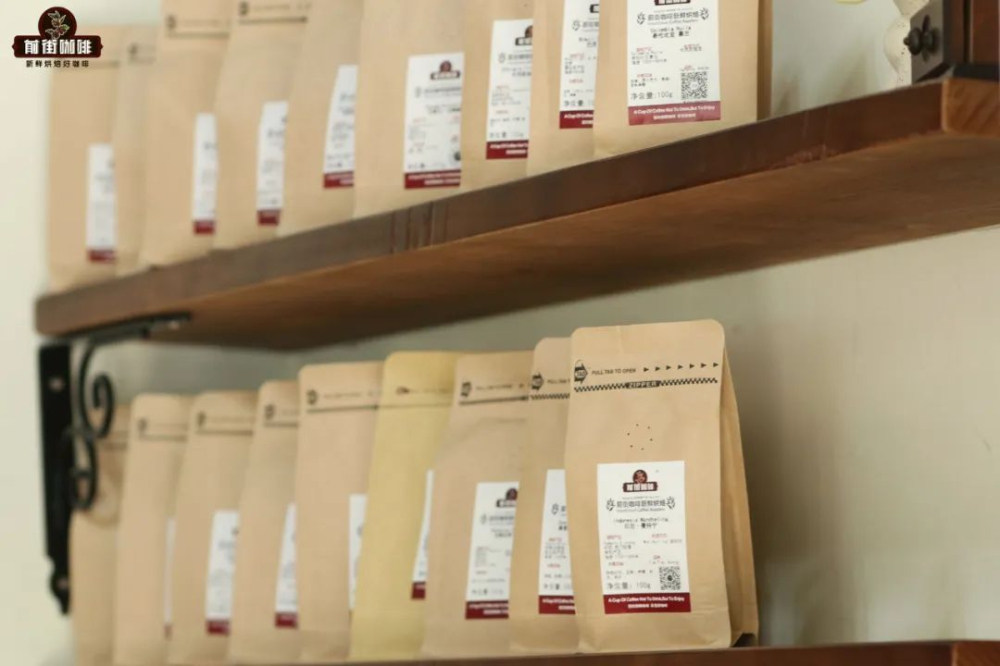
If you want to experience both the rich layers of pour-over and the refreshing taste of cold brew, it is recommended to choose specialty varieties with distinctive flavors and clear processing methods, such as Honduras Sherry barrel-fermented beans, Costa Rica honey-processed Baha, Colombia Maragogype, and Ethiopia Dorothy. Whether brewed as pour-over or cold brew, these varieties show distinctive character and multi-layered flavor, making them ideal choices for home coffee enthusiasts.


