Pour-over coffee beginner's guide: how grind size and water temperature affect flavor
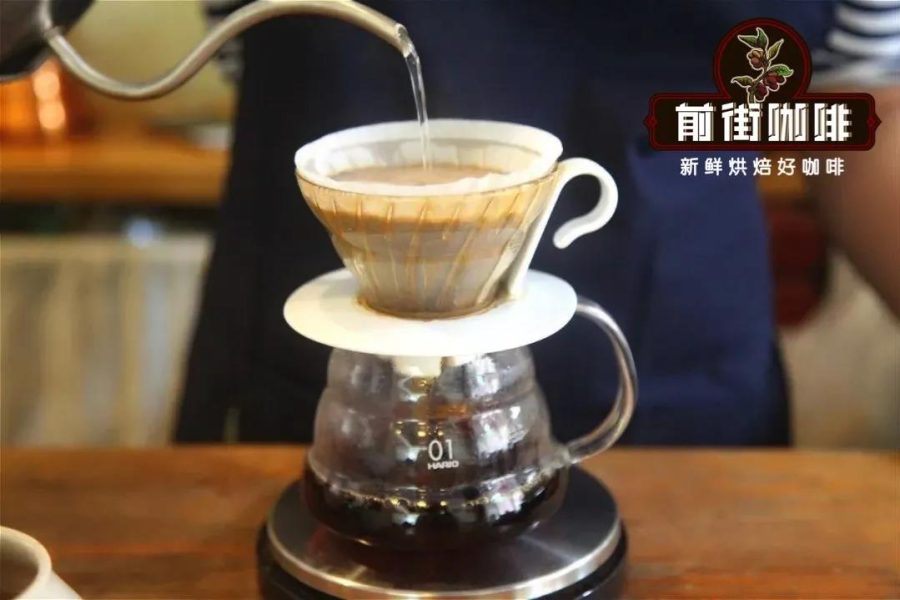
Introduction: Want to brew a cup of layered, complex coffee with a pour-over dripper? This article explains key parameters from coffee bean freshness and grind coarseness to water temperature control, helping you avoid common extraction pitfalls. By adjusting the coffee-to-water ratio and pouring technique, even beginners can consistently extract balanced sweet, sour, and bitter flavors and find their best brewing solution.
Coffee's appeal lies in personalization—there is no absolutely correct brewing formula, but mastering the basic principles will help you find your preferred taste faster. From equipment maintenance to parameter adjustment, every step hides secrets for improving flavor. Next, we will systematically explain how to brew clean, bright pour-over coffee by controlling variables.
Cleanliness is the foundation of flavor: Be sure to thoroughly clean the grinder, dripper, and pour-over kettle after each use. Residual coffee grounds will oxidize and produce off-flavors, and accumulated coffee oils (caffeol) will give subsequently brewed coffee a bitter, cardboard taste. It is recommended to rinse the filter with warm water and then dry all parts that contact coffee with a soft cloth, ensuring no water remains.
Freshness determines the ceiling: Coffee beans have the most active flavor within one week after roasting, so it is recommended to buy small packages according to need. Dark roast beans have a shorter resting period (3-5 days), while light roast may need longer (7-10 days). Avoid buying pre-ground coffee powder; grinding fresh preserves aromatic compounds to the maximum extent—after coffee grounds are exposed to air for more than 15 minutes, the flavor begins to noticeably decline.
There is a common misconception about grind size: finer is not always better, nor is coarser. Grinding too fine leads to over-extraction (bitter, astringent coffee), while grinding too coarse causes under-extraction (thin body, prominent acidity). Pour-over coffee usually requires a medium grind (similar to fine granulated sugar), but the specific parameters should be adjusted according to the dripper type—for example, the V60 dripper suits slightly coarser particles to speed up flow, while the fan-shaped dripper can be adjusted finer.
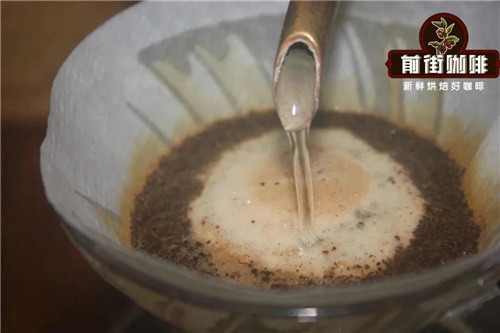
Water quality matters: It is not recommended to use tap water directly, as chlorine and minerals in it will affect flavor expression. Filtered water or mineral water is a safer choice, and the water temperature should be controlled within the 91-93°C range (close to boiling but slightly cooled). If using a thermometer, you can boil the water first and let it sit for 30 seconds before starting to pour. Be careful to avoid water temperature that is too high (>96°C causes burnt bitterness) or too low (<85°C causes insufficient extraction).
The classic "Golden Cup Standard" recommends a coffee-to-water ratio of 1:15 to 1:18 (for example, 15 grams of coffee grounds to 225-270 milliliters of water). Beginners can start with 1:16 and fine-tune according to personal taste. When pouring, a staged extraction is recommended: first pour a small amount of hot water to bloom (about 30 seconds to release carbon dioxide), then pour in circles up to the target water amount. A steady stream and even coffee bed distribution are more important than simply pursuing a certain parameter.
Finally, a reminder about equipment maintenance: fine powder left on the grinder burrs will contaminate the next batch of coffee, especially when switching between different roast levels, which requires deep cleaning. Before use, it is recommended to wet the filter paper with hot water to remove the papery taste; the spout angle of the pour-over kettle affects pouring stability—when practicing, you can use clean water to simulate the water flow path. Remember, good pour-over coffee = fresh beans + suitable grind + precise water temperature + patient operation. Try a few more times and you will find your exclusive recipe.


