Hawaii Kona Coffee: Flavor Profile and Pour-Over Guide
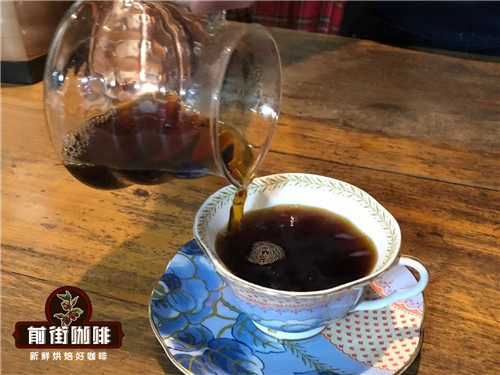
Introduction: Hawaii Kona coffee is regarded as one of the world's top specialty coffees, and its unique flavor and rare origin make it highly esteemed by coffee lovers. This article provides an in-depth analysis of the flavor characteristics, growing environment and brewing key points of authentic Kona coffee, helping you understand the appeal of this precious bean and master the best way to taste it.
When Hawaii Kona coffee is mentioned, many coffee lovers think of its distinctive sweet fruity aroma and rich, balanced mouthfeel. This world-famous high-quality Arabica coffee is grown only on specific volcanic slopes in the Kona region of the northern Big Island of Hawaii—specifically, the high-altitude area between Mauna Loa and Hualalai. True Kona coffee must be grown strictly on land recognized as the Kona growing region, which is also the source of its name.
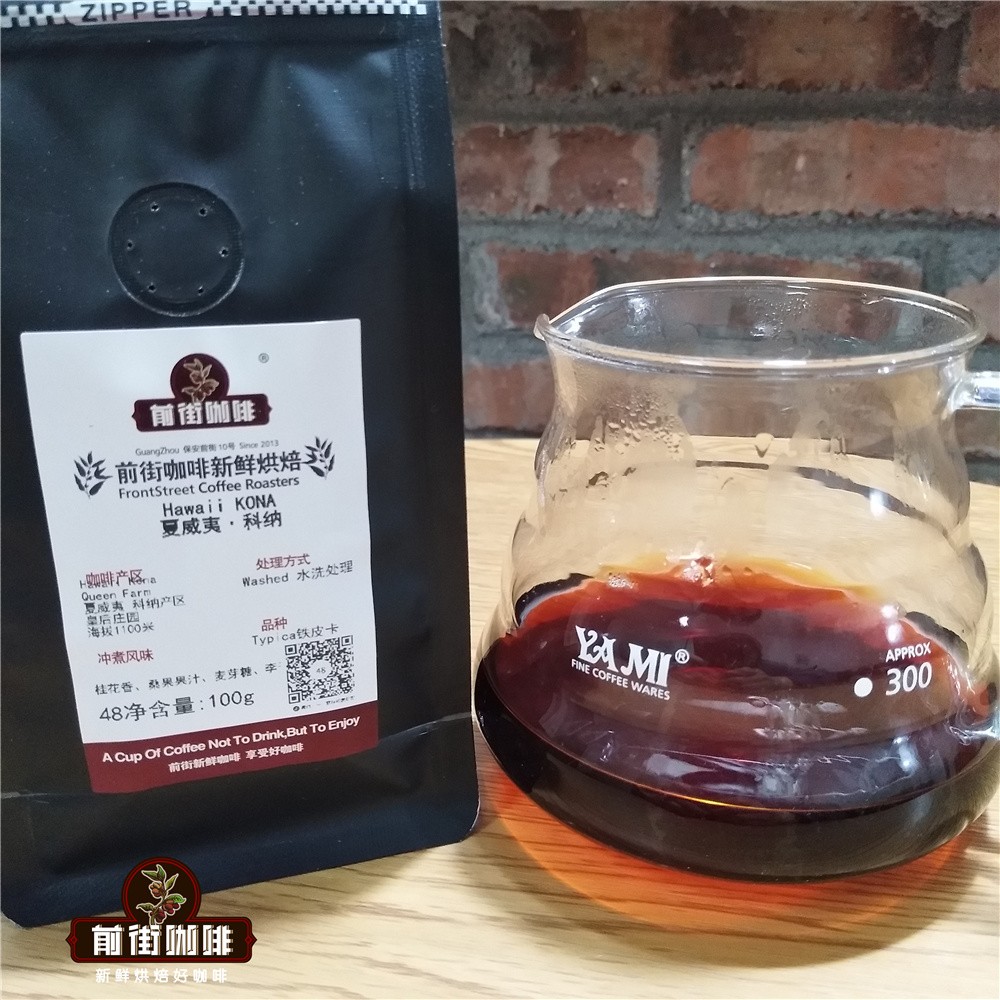
Kona coffee has extremely rich flavor layers and can be called the "nobility" of coffee. When roasted and brewed correctly, it often shows a warm brown-sugar sweetness, accompanied by the richness of milk chocolate and the softness of natural honey. At the same time, bright citrus notes and fresh fruit aromas interweave, making the overall flavor full yet lively. Its overall mouthfeel is described as refreshing, clean and vibrant, and the finish often carries the crispness of nuts and a subtle citrus aftertaste that lingers.
In terms of aroma, Kona coffee also performs excellently. The scent released during brewing is a complex aroma type difficult to replicate artificially, often described as combining the sweetness of caramel, the smoothness of butter, the depth of cocoa and the fragrance of ripe fruit. This multi-layered aroma combination complements the mouthfeel, together forming the unique sensory experience of Kona coffee.
The reason Kona coffee can maintain such excellent quality is inseparable from its exceptional growing environment. The production area is located on volcanic slopes at about 2,000 feet (about 600 meters) above sea level, where the soil is rich in minerals. Combined with Hawaii's distinctive mild maritime climate and moderate day-night temperature differences, this provides ideal conditions for coffee tree growth. These factors work together to create the unique flavor foundation of Kona coffee.
It is worth noting that, due to the high local labor costs in Hawaii, local coffee farmers prefer to carefully manage a small number of high-quality coffee trees rather than pursue large-scale mass production. This also makes Kona coffee mainly oriented toward the high-end consumer market, with a relatively high price, but it also ensures the high quality of every bean.
When purchasing Kona coffee, consumers should pay special attention to whether the product is labeled "100% Kona coffee," because according to regulations, only Arabica coffee beans grown and processed in the Kona production area are eligible to use this name. Some products on the market may contain only a small amount of Kona coffee beans, with the rest being blended beans from other regions; this type of blended coffee cannot reflect the true flavor characteristics of Kona coffee.
If you want to fully experience the appeal of Kona coffee at home, it is recommended to use the pour-over method and refer to the following basic parameters: grind size medium-fine (similar to fine granulated sugar), water temperature controlled at 90-93°C, and a coffee-to-water ratio of 1:15 to 1:16. During brewing, pay attention to the pouring rhythm and evenness, which helps fully reveal its rich flavor layers. In addition, freshness is crucial; it is recommended to choose coffee beans with a roast date within two weeks to ensure the best flavor performance.


