Geisha vs Blue Mountain Coffee: Acidity Differences and Pour-Over Tips
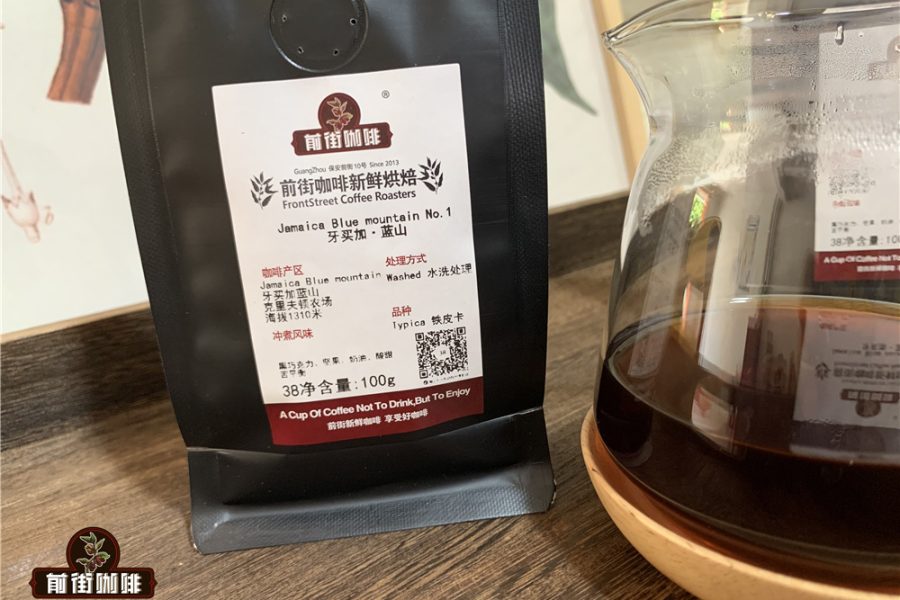
Introduction: Geisha coffee and Jamaican Blue Mountain coffee are often regarded by coffee lovers as representatives of top-tier beans, but their flavor profiles differ significantly. This article analyzes the core differences between these two specialty coffees, from acidity and growing-region environment to brewing methods, and provides professional pour-over parameter references to help you choose based on your taste preferences.
Geisha coffee is recognized in the coffee world as a rare variety, its flavor complexity far exceeding ordinary commercial beans. Although the variety was first discovered around the town of Geisha in Ethiopia, it was the Hacienda La Esmeralda estate in the Boquete region of Panama that truly established its reputation. The microclimate and high-altitude environment here (usually 1,500–1,800 meters) give Geisha coffee its unique floral and fruity character—after brewing it often presents bright citrus acidity, accompanied by tropical fruit aromas such as peach and mango, with a finish of jasmine and a fresh bergamot aftertaste.
Notably, the tea-like quality of Geisha coffee makes it particularly suited to light roasts and a medium-fine grind in pour-over brewing. A water temperature of 90–93°C and a coffee-to-water ratio of 1:15–1:17 are recommended, using a V60 or Kalita Wave dripper with three-stage pouring (first stage: circular pouring at 30 ml/sec to a 1:15 ratio, 30-second bloom, then continue staged extraction). This approach preserves its signature citrus acidity and honey sweetness to the greatest extent.
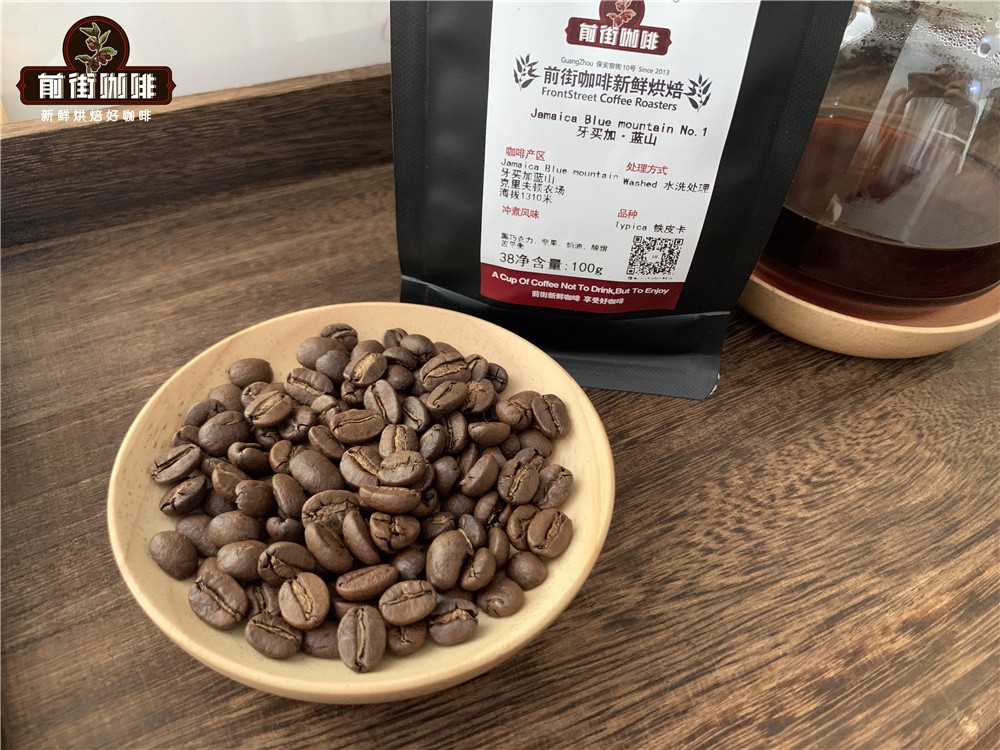
By contrast, Jamaican Blue Mountain coffee displays a completely different aesthetic of balance. Beans from the 1,200–1,700 meter zone in the northern Blue Mountain range undergo strict wet processing (washed fermentation for 24–36 hours), creating its famous "silk-smooth" mouthfeel. The acidity of high-quality Blue Mountain coffee is soft yet clear, with a brightness like that of a ripe apple, forming a complex flavor with dark chocolate, nuts and delicate floral notes. Its body reaches a medium-high level, bitterness is almost imperceptible, and the overall sweetness has a creamy, dense texture.
From an actual tasting experience, Blue Mountain coffee is better suited to consumers who prefer low acidity and a mild mouthfeel. Professional roasters generally recommend a medium roast (at the end of the dense first crack), and brewing with a flannel filter cloth better highlights its sweet, mellow character—using a water temperature of 88–90°C and a coffee-to-water ratio of 1:16, with a slow center-pour method to avoid over-extraction. This approach maintains the sweet-sour balance while reinforcing Blue Mountain's distinctive mineral finish.
In terms of price, Geisha coffee, due to its scarce production (global annual output of less than 200 tons), is often traded at auctions, with specialty lots of green beans fetching over US$600 per pound; Blue Mountain coffee, though equally expensive (official certified Blue Mountain No. 1 is about US$80–120 per pound), has relatively well-regulated distribution channels. It should be noted that many counterfeits exist on the market; when buying, look for origin certification marks and the roast date (freshness directly affects flavor performance).
In summary, the intense floral-fruity acidity and tea-like texture of Geisha coffee suit pour-over enthusiasts seeking a stimulating taste experience, while the balanced, mellow character of Blue Mountain coffee better fits traditional coffee aesthetics. There is no absolute superiority between the two; the key lies in personal taste preference—the former is like a lively piano solo, the latter like an elegant string quartet.


