Yirgacheffe vs. Kenyan Coffee Beans: Acidity and Flavor Explained
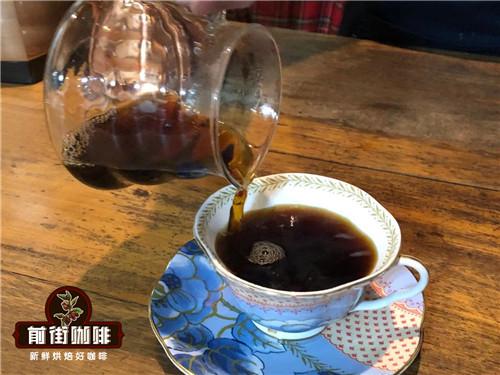
Introduction: Yirgacheffe and Kenyan coffees are often compared by coffee enthusiasts. Both are known for their bright acidity, yet their flavor profiles are entirely different. This article takes a deep look at the origin characteristics, processing methods, and flavor traits of these two top-tier coffees to help you understand how their acidity differs. It also offers pour-over recommendations and flavor descriptions to help you find the beans that better suit your taste.
In the world of specialty coffee, Ethiopia's Yirgacheffe has long been regarded as a highly representative producing region. It is not only one of the important birthplaces of coffee; several of its sub-micro-regions, such as Adado, Aricha, and Kochere, also produce coffee beans with unique flavors and rich layers. Among them, Yirgacheffe, as the core of the region, is hailed as the first choice for coffee enthusiasts stepping into the world of specialty coffee.
Yirgacheffe coffee is usually washed, a process that better preserves the beans' purity and bright acidity. Washed Yirgacheffe coffee often has a light, tea-like mouthfeel accompanied by complex fruit and floral aromas. Its acidity is bright without being sharp, and after sipping you can often perceive notes of citrus, lemon, or jasmine. To fully express its elegant flavors, roasters generally recommend a light roast to preserve more floral and fruity aromas and lively acidity.

Kenyan coffee beans are also highly regarded alongside Yirgacheffe. Kenyan coffee is world-famous for its excellent quality, and behind this lies the country's well-established growing and auction systems. The Kenyan government strictly regulates the coffee industry, and all coffee is sold through public auctions. High-quality beans can fetch higher auction prices, and this mechanism directly incentivizes farmers to continuously improve their growing and processing techniques.
In Kenya, coffee beans are graded by screen size. Grade "AA" is the largest screen size and usually represents the highest grade, with mouthfeel and flavor often superior to grade "AB". Kenyan coffee stands out for its pronounced sweetness, wine-like acidity, and full body. The overall flavor is intense and layered, often with the sweet-tart notes of blackcurrant, berries, and citrus fruits. Through refined washing or double-washing, these coffees are generally considered among the "cleanest" in the world, meaning pure flavors and a refreshing finish.
So how exactly does the acidity of Yirgacheffe differ from that of Kenyan coffee? Simply put, Yirgacheffe's acidity is brighter and fresher, with prominent floral notes such as jasmine, lemongrass, or white flowers. It suits consumers who prefer light acidity and floral-fruity aromas. Kenyan coffee's acidity is relatively more intense and layered, with sweetness within the acidity, a fuller and thicker mouthfeel, and is especially suited to drinkers who favor fruity sweet-tartness and a wine-like body.
If you are a pour-over enthusiast, you can try different brewing parameters to experience the differences between the two. For Yirgacheffe, a water temperature of 90-92°C is recommended, with a grind close to medium-fine (e.g., 75%-80% passing through a Chinese standard No. 20 sieve) to highlight its floral-fruity notes and bright acidity. For Kenyan coffee, you can raise the water temperature slightly to 92-94°C and use a slightly coarser grind to balance its full sweet-tartness and body and avoid over-extraction that causes bitterness.
In summary, Yirgacheffe and Kenyan coffee each have their own unique expression of acidity and flavor charm. The former is known for its fresh floral-fruity notes and tea-like quality, making it suitable for beginners to experience the diversity of specialty coffee; the latter wins with its intense fruity acidity and full body, making it an excellent choice for advanced enthusiasts. Whichever style you prefer, understanding their origin backgrounds and processing methods will help you better appreciate the uniqueness of every cup.


