Brazil Bahia Fazenda Progresso PN Coffee: Flavor and Pour-Over Guide
Introduction: Brazil is not only the world's largest coffee producer; its specialty coffees have also won repeated honors in international competitions. This article focuses on Fazenda Progresso in Bahia, taking a closer look at the processing details and flavor performance of its distinctive PN method. From growing altitude and variety selection to hand-picking and drying, it walks you through how this method gives the coffee its creamy sweetness and balanced mouthfeel, and offers practical pour-over advice to help you better experience the charm of this unique coffee.
When people think of Brazilian coffee, many may first picture large-scale plantations and commercial beans, but in fact Brazil is also an important driver of the specialty coffee sector. As early as 1999, the first Cup of Excellence competition was held in Brazil; the event has not only continued to raise coffee quality but also significantly improved the income and living standards of local coffee farmers.
Bahia is located in northeastern Brazil. Although it came to coffee growing relatively late, around the 1970s, it has become one of the country's important coffee regions thanks to rapidly developing cultivation techniques. The coffee produced here is mainly Arabica, with Cerrado coffee being the most representative, and Fazenda Progresso is an excellent example from this area.
The name Fazenda Progresso comes from the Portuguese word "Progresso," meaning "progress." The farm was established in 1984 and initially grew cash crops, once being one of Brazil's largest potato suppliers. Around 2005, the farm began its transition and invested in coffee growing; it is currently run by the Borre family. The farm covers more than 20,000 hectares, a vast scale, yet it remains focused on specialty coffee production.
The farm is located in the Chapada Diamantina region of Bahia, with coffee grown at altitudes between 1,150 and 1,200 meters; such altitudes help the coffee cherries mature slowly and accumulate richer flavor compounds. The farm mainly grows two varieties, Red Catuai and Yellow Catuai; both are highly disease-resistant and produce sweet fruit, making them very well suited to Brazil's climate conditions.
Unlike many large Brazilian coffee farms that rely on mechanical picking, Fazenda Progresso insists on hand-picking and selects only fully ripe coffee cherries. Although this meticulous approach is more costly, it ensures that the coffee fruit entering subsequent processing is more consistent in quality, laying the foundation for stable final flavors.
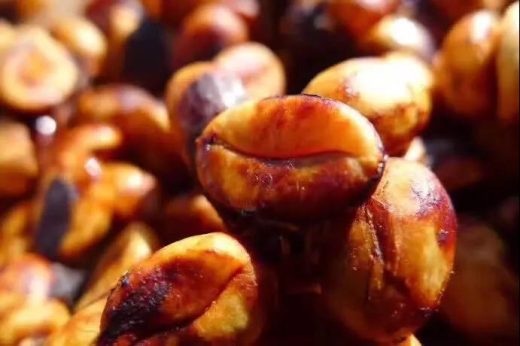
The farm offers several processing methods, including the traditional natural process and the distinctive PN method. PN stands for "Pulped Natural," a semi-processed method between washed and natural. Specifically, after picking, the coffee cherries have the skin and part of the pulp removed, but some of the sticky mucilage layer is retained, and the beans are then dried directly in the sun.
The key to this method lies in precisely controlling the drying process. Typically, the coffee is spread evenly in a thin layer on African raised beds and dried for about 10 to 14 days, during which the turning frequency is adjusted according to the weather to ensure the moisture content steadily drops to around 11%. Because the mucilage layer is not completely removed, the PN method can retain more sweetness and fermentation aromas during drying while reducing the risk of over-fermentation.
Fazenda Progresso's PN-processed coffee is known for its balanced acidity and sweetness, creamy mouthfeel and low defect rate. In flavor it often shows caramel, nuts, slight citrus and soft chocolate notes; the overall profile is clean and layered, making it very suitable for coffee lovers who enjoy rich sweetness and a smooth body.
If you want to better experience this coffee's flavors at home, a medium roast and the pour-over method are recommended. Suggested parameters: grind size between medium-fine and medium-coarse (similar to fine granulated sugar), water temperature 90 to 92°C, and a coffee-to-water ratio of 1:15 to 1:16. When brewing, use a center pour with staged extraction: first pour a small amount of hot water and let it bloom for 30 seconds, then slowly pour to the target water amount, with a total extraction time of 2 minutes 30 seconds to 3 minutes. This will better highlight the sweet aroma and full-bodied mouthfeel brought by the PN method.