Espresso vs. drip coffee: caffeine differences and flavor compared
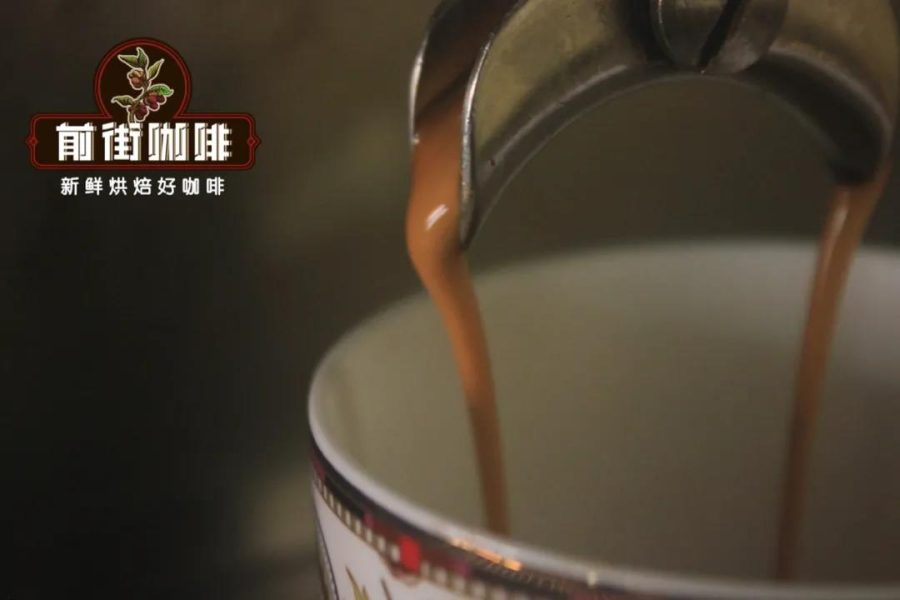
Introduction: Have you ever wondered how espresso and drip coffee actually differ in caffeine content and taste? This article takes a close look at the differences in principle between these two classic brewing methods, compares data for 8 oz of drip coffee with a standard espresso, and reveals the truth about the caffeine concentration of a single shot. It also offers professional-level tasting advice, including practical details such as how to observe the state of the crema and the correct stirring technique, to help coffee lovers choose according to their personal taste preferences.
In modern coffee culture, espresso and drip coffee represent two fundamentally different extraction philosophies. The espresso machine invented in 1901 by the Milanese engineer Luigi Bezzera is essentially a coffee preparation produced by rapid extraction under high pressure. This coffee, made with 9 bar of pressure (about 130 pounds per square inch), is fundamentally different from common French press or pour-over methods—the key differences lie precisely in the extraction equipment and process parameters.
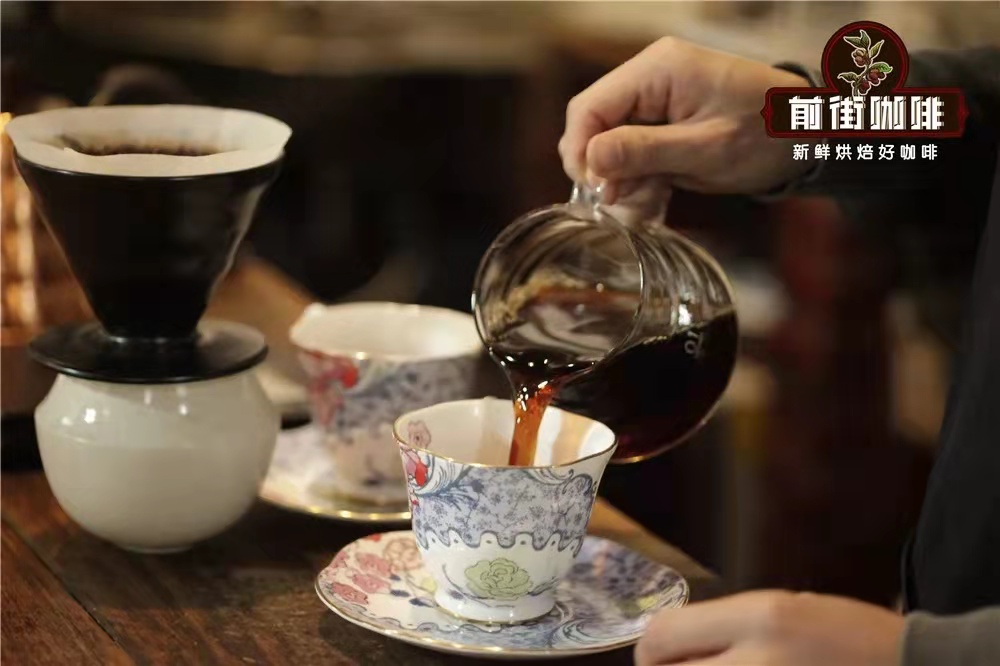
Comparing caffeine content requires a clear reference standard. Taking 8 oz (about 240 ml) of drip coffee as the baseline, a single shot of roughly 30 ml of espresso does indeed have a higher concentration per unit volume. Data show that espresso can contain more than 3 times the caffeine per ounce of drip coffee, but because a standard serving is usually only 1–2 oz, the actual total caffeine in a whole cup of drip coffee is often higher. This comparison will reasonably vary with coffee bean variety, grind size and the specific recipe.
The sensory characteristics of professional-grade espresso are highly recognizable: a perfect crema (the layer of coffee oils) should be reddish-brown and densely textured, the result of carbon dioxide and aromatic compounds emulsifying under high pressure. But many beginners find that the top layer of oils can mask some of the flavor layers, in which case a coffee spoon can be used to gently skim off the surface oils. A more professional approach is to slowly stir 1–2 circles with a silver spoon before sipping, so that the sugars and fine particles settled at the bottom of the cup are redistributed.
Drip coffee preparation relies more on water temperature control and water flow stability. When comparing the flavor characteristics of the two, espresso's high-pressure extraction amplifies the coffee beans' bright acidity and full body, while the drip method usually brings out a more balanced sweetness and complexity. It is worth noting that the ideal extraction time for a standard espresso is 25–30 seconds, a parameter that directly affects the concentration and smoothness of the final cup.
For everyday drinking scenarios, choose according to your intake needs: for a quick boost, choose a single shot (about 63 mg of caffeine); for a more relaxed overall experience, a larger drip coffee is more suitable. Either way, high-quality freshly roasted coffee beans and a precise grind size are the foundation of good flavor—these details are often more practically meaningful than simply comparing caffeine numbers.


