Iced Americano: Calories, Home Brewing, and a Taste Guide
Introduction: With its low calories, refreshing effect, and easy preparation, iced Americano has become the drink of choice for many coffee lovers and fitness enthusiasts. This article takes a deep look at the nutritional makeup and flavor characteristics of iced Americano, details the full process from bean selection and espresso extraction to mixing ratios, and uses clear step-by-step photos to guide you in recreating a professionally tasting iced Americano at home.
As one of the most frequently ordered drinks in coffee shops, iced Americano is not only quick to make and affordable but also favored by office workers for its moderate caffeine content. Most iced Americanos use espresso blend beans, ensuring stable and balanced flavor, and its black-coffee nature—no sugar, no milk—makes it suitable after meals to aid digestion. It is worth noting that a standard iced Americano contains only about 2 calories, making it very friendly to those fitness and fat-loss crowds.

Americano is often mistaken for the sole representative of black coffee, but in fact it is one type of black coffee. Strictly speaking, any coffee drink made only with coffee beans and water, with no other ingredients added, can be classified as black coffee. A standard Americano, however, is made by diluting espresso with hot water, and this is the key difference that sets it apart from other forms of black coffee.

The English name of Americano, according to authoritative dictionary definitions, is “a coffee drink made by adding hot water to espresso.” Simply put, it is espresso diluted with hot water. Although the name includes “American,” its origins are actually closely tied to Italy. It is said that during World War II, American soldiers found Italian espresso too strong and intense, so they added hot water to reduce its concentration, and this gradually evolved into today’s widely popular Americano.

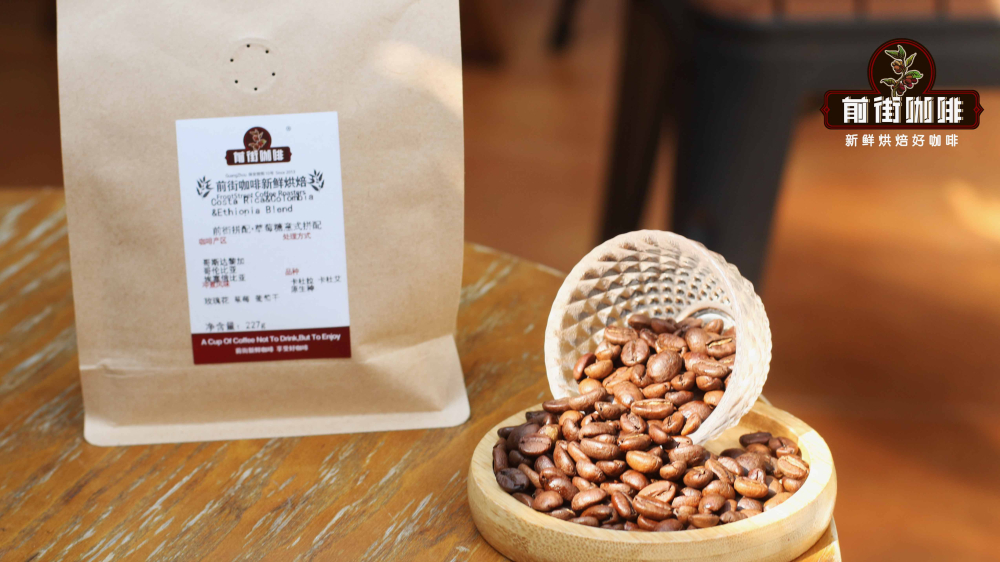
To make a high-quality Americano, choosing the right coffee beans is crucial. Espresso blend beans are generally recommended; these are usually a mix of beans from multiple regions, which not only stabilizes flavor by complementing the characteristics of different bean types but also, because they are mostly medium-dark or darker roasts, are less likely to produce sharp acidity or a thin mouthfeel after extraction, and they are relatively cost-effective.

For first-time users or those who want a richer flavor with nutty aroma, you can choose a blend of washed Colombian beans and semi-washed Brazilian beans; such beans often present a complex flavor of nuts, dark chocolate, and caramel. If you prefer bright, lively fruit acidity and floral-fruity notes, you can try light-to-medium roast beans, but under the high-pressure extraction of espresso, some single-origin beans originally suited to pour-over or drip methods can easily amplify sharp acidity and astringency, so choose carefully.

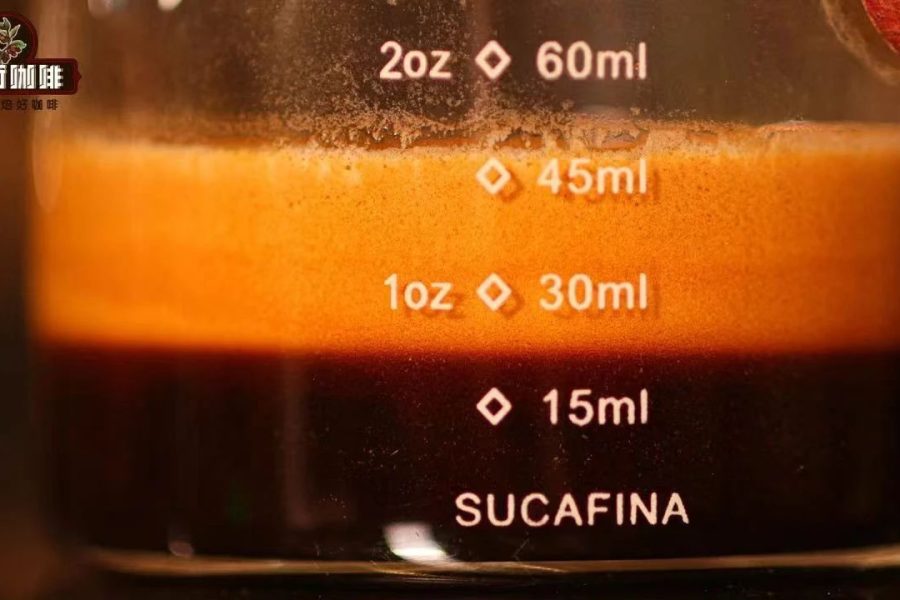
Espresso is the core foundation for making Americano, and its extraction directly affects the final taste and aroma. Because the performance of different coffee machines and grinders varies, there are no absolutely uniform extraction parameters; users are advised to adjust flexibly according to their actual equipment. If you are trying it for the first time, refer to the following parameter range: use 20 grams of coffee grounds, aim to extract 40 grams of coffee liquid, and keep the extraction time between 25 and 30 seconds. Then judge by actual tasting whether the strength and flavor match your preference, and make fine adjustments.

In home preparation, a common method is to mix espresso with water at a ratio of 1:4 to 1:5. For example, when using 20 grams of coffee grounds to extract 40 grams of coffee liquid, if you want to highlight floral-fruity notes and rich layers, you can try mixing the coffee liquid with drinking water at a ratio of 1:4.5, that is, 40 grams of coffee liquid added to about 180 grams of cold water or ice. This ratio helps balance flavor intensity and smooth mouthfeel, and is especially suitable for iced drinks.

During preparation, the espresso extraction parameters directly affect the overall flavor. For example, the coarseness of the coffee grounds, the force of tamping, the water temperature, and the extraction time all significantly affect the final product. Users are advised to start with a medium-fine grind and maintain a stable tamping force, observing the flow rate and color changes of the extracted liquid to judge whether extraction is even. If the liquid is too light in color or flows too fast, it may indicate the grind is too coarse or tamping is insufficient; conversely, if the flow is too slow or the color too dark, the grind may be too fine or the pressure too high.

For iced Americano, besides the usual method of diluting a hot drink, you can also pour the espresso directly into a cup filled with ice, then top up with drinking water or mineral water. This quickly lowers the temperature and also reduces excessive dilution caused by adding ice. Be sure to choose purified or filtered water to avoid impurities in the water affecting the overall flavor of the coffee.
Finally, a reminder: although Americano is low in calories, its caffeine content should not be ignored. It is recommended to keep daily intake within a reasonable range; special groups such as pregnant women and patients with cardiovascular disease should consult a doctor before deciding whether to drink it. By mastering the above techniques, you can easily recreate a cup of iced Americano close to coffee-shop quality at home, enjoying pure coffee aroma while balancing health and taste.