Nicaragua Coffee Grading and Varieties: How Altitude Shapes Flavor
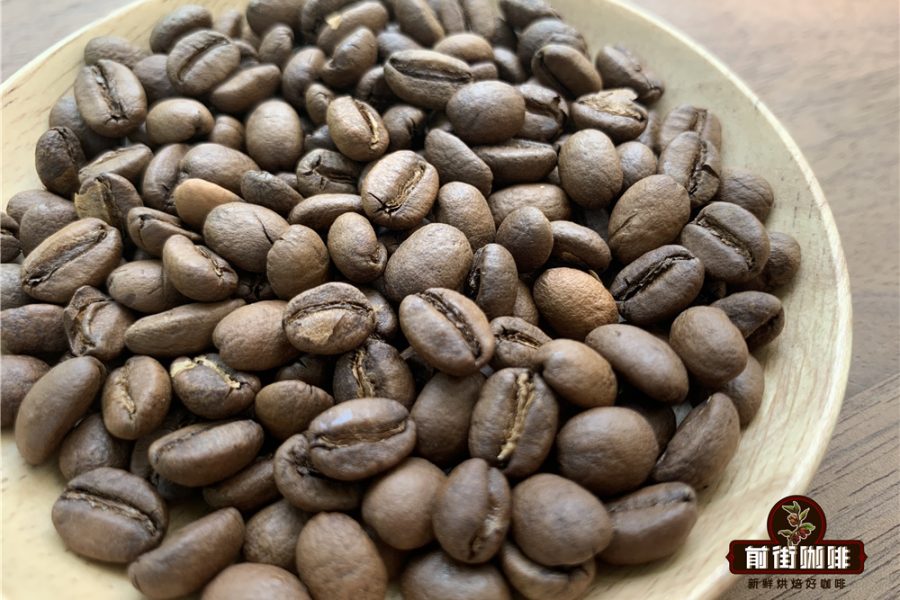
Introduction: Nicaraguan coffee has emerged in the international specialty coffee market in recent years, drawing attention for its distinctive Central American character and mild acidity. This article takes an in-depth look at Nicaragua's coffee grading system, especially how altitude affects quality, and introduces the main coffee varieties grown locally along with their flavor characteristics, to help coffee lovers better choose and taste this coffee bean with great potential.
When people talk about the world's top coffees, they often think of Jamaican Blue Mountain or Ethiopia's Yirgacheffe, but in recent years Nicaraguan coffee has been gradually winning favor among professionals and coffee lovers. This Central American country produces many highly rated coffees, and products from its best regions typically show rich chocolate flavors (dark, close to cocoa in character) as well as bright fruit notes such as apple and berry.
Nicaragua borders Honduras and Costa Rica and shares a similar geographic environment, providing ideal conditions for producing both specialty and commercial-grade coffee. Several of the country's best-known coffee regions include Segovia, Jinotega and Matagalpa, and coffees from these areas are gradually building a good reputation in the international market.
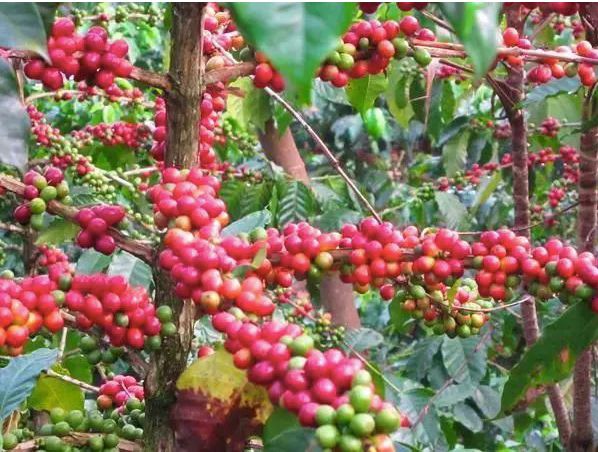
Geographically, South America, as the coffee-producing region closest to North America, naturally sends much of its output to the U.S. and Canadian markets. Nicaragua, as an important coffee producer in Central America, also benefits from this geographic advantage. It is worth noting that the world's two largest coffee producers, Colombia and Brazil, both have vast mountain ranges and ideal climate conditions suited to coffee growing, and Nicaragua possesses the same natural advantages.
Nicaraguan coffee on the whole inherits the typical characteristics of Central American coffee, but its acidity is usually milder than that of most other Central American coffees. The country's coffee is mainly processed using the washed method, which helps highlight the coffee's clean flavors. High-quality Nicaraguan coffee often shows mild fruit characteristics, leaning more toward bright notes such as citrus and floral rather than relatively low-toned flavors like papaya/apricot and chocolate.
In terms of varieties, the Bourbon coffee trees grown in Nicaragua can produce beans with a variety of mild flavors, often carrying complex notes such as vanilla, pear, chocolate and pie-crust-like sweetness. The Bourbon variety is known for its high sweetness and good body, and shows a distinctive regional character under Nicaragua's specific conditions.
Nicaragua is a country with diverse coffee production, with multiple different regions, varieties and quality grades. To facilitate marketing and establish quality standards, understanding the characteristics of different regions is particularly important. At present, Nicaraguan coffee is undergoing a revival and regaining attention in the global coffee market.
Regarding Nicaragua's coffee grading system, one key fact is: the country does classify coffee according to the altitude at which it is grown. Generally speaking, the higher the altitude, the greater the quality potential of the coffee. Coffee trees grown at high altitude grow more slowly and their fruit takes longer to mature, which usually leads to denser beans with richer, more complex flavors. Although the specific grading standards may vary by exporter or cooperative, altitude is always one of the important factors determining the grade of Nicaraguan coffee.


