Pour-over coffee: water temperature and roast level guide
Introduction: To master the flavor of pour-over coffee, you need to understand the scientific relationship between water temperature, roast level and extraction parameters. This article explains in detail the ideal water temperature ranges for coffee beans of different roast levels, reveals how the coffee-to-water ratio affects strength and mouthfeel, and offers practical adjustment suggestions. By optimizing these basic parameters, even coffee beginners can consistently extract a delicious cup with rich layers.
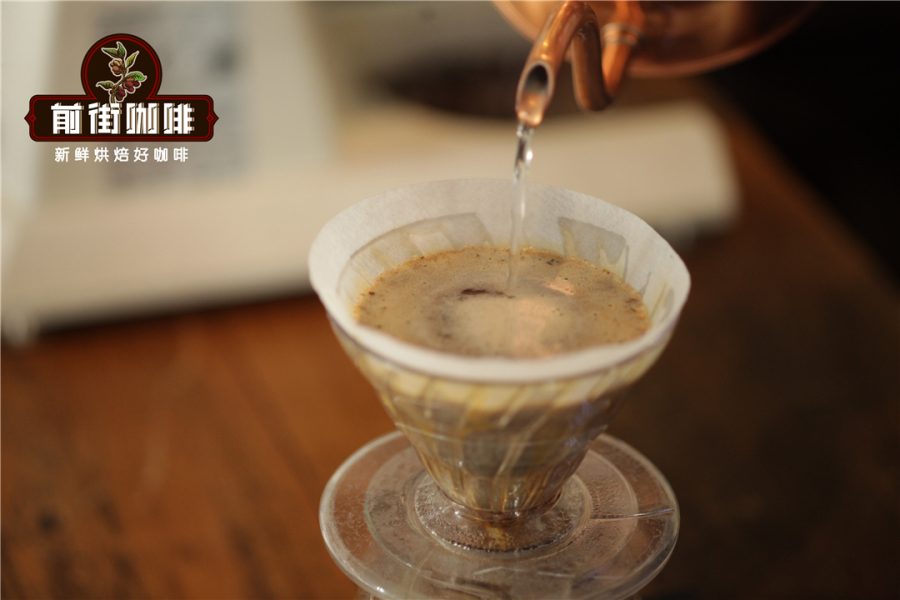
In the world of pour-over coffee, the word "extraction" comes up often, but what exactly does it mean? Simply put, extraction is the process of dissolving flavor compounds from coffee grounds into water. You can imagine hot water as a careful gardener, penetrating the layer of coffee grounds and gently carrying the precious aromatic compounds and caffeine into the water, while the filter paper acts like a goalkeeper, blocking the unwanted fines and impurities.
But did you know? This seemingly simple process is actually a precise chemical dance. Water temperature, grind size, and time all influence the flavor presentation in the final cup. Water temperature in particular is like a conductor, controlling the rhythm and intensity of this flavor symphony.
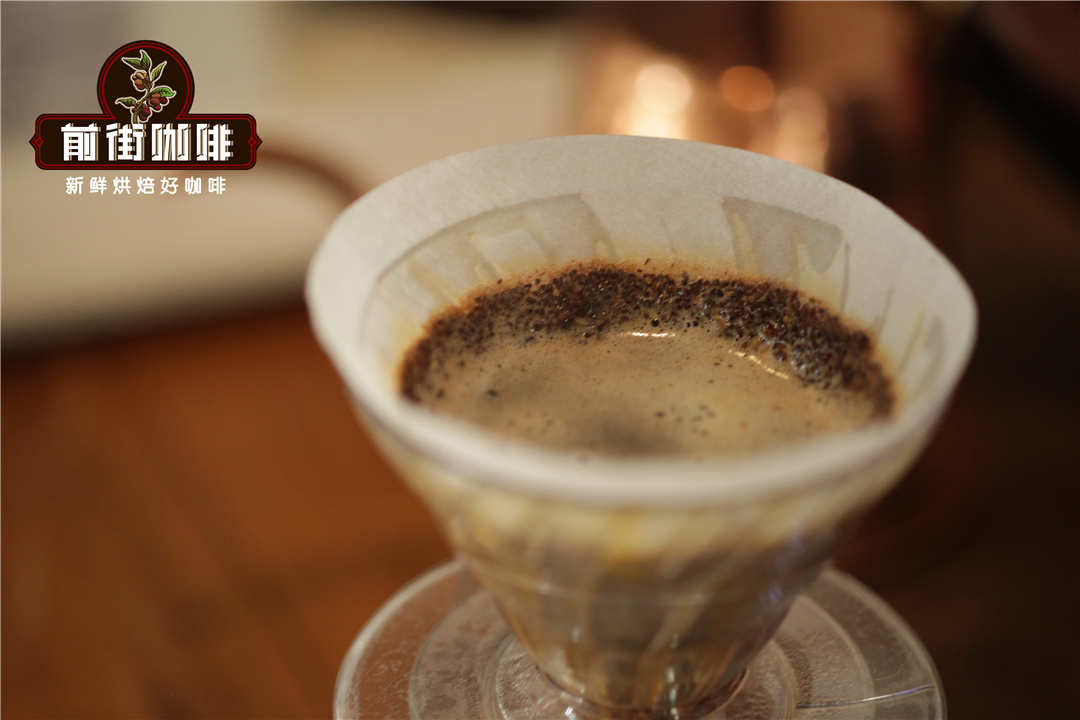
Coffee beans of different roast levels are like friends with very different personalities, each requiring a different way of getting along. Light-roasted coffee beans, because of the shorter roasting time, have relatively closed internal compounds, like a shy young woman, and need water temperature close to boiling (90-93°C) to help release their fresh fruit acidity and floral characteristics. If the water temperature is too low for this type of bean, underextraction and flat flavor easily occur.
Medium-roasted coffee beans are more balanced, and a water temperature of 86-89°C brings out their sweetness and complexity just right. It is worth noting that dark-roasted coffee beans have undergone long high-temperature processing, and their internal compounds are already relatively loose. If high-temperature water (close to boiling) continues to be used, overextraction easily occurs, bringing an unpleasant burnt bitterness. For this type of bean, it is recommended to keep the water temperature at 86-89°C or even lower to highlight its mellow mouthfeel and chocolate-like finish.
When it comes to pour-over coffee, one cannot fail to mention the seemingly simple yet crucial coffee-to-water ratio. This ratio directly determines the strength and mouthfeel balance of the coffee in your cup. Common ratios range from 1:10 to 1:16, and behind each number lies a different flavor experience.
A 1:10 ratio produces a very strong coffee, suitable for drinkers who like intense flavors; while 1:16 produces a relatively light coffee that better highlights the delicate flavors of the coffee. After repeated practical verification, a 1:15 coffee-to-water ratio is widely considered a balanced choice, ensuring sufficient strength without being too heavy, and suits the taste preferences of most coffee lovers.
Of course, these parameters are not immutable golden rules. The world of coffee is full of infinite possibilities, and every coffee lover is encouraged to fine-tune according to personal taste. For example, if you prefer brighter acidity, you can try slightly raising the water temperature or shortening the extraction time; if you like a fuller mouthfeel, you can appropriately increase the amount of coffee or extend the extraction time. Remember, the best parameters are always the set of numbers that makes you smile every time you pick up your cup.


