Manual vs Electric Coffee Grinders: Which to Choose and How to Use a Hand Grinder
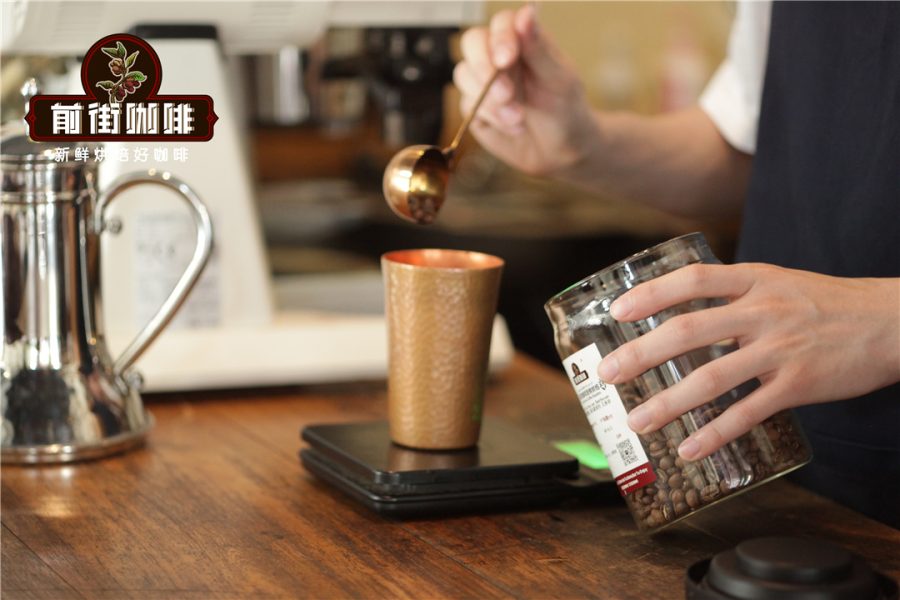
Introduction: Manual and electric coffee grinders each have their advantages—so which one better suits your daily coffee routine? This article examines the core differences between manual and electric grinders from the angles of grind quality, use scenarios and ease of operation, and explains in detail the correct way to use a hand grinder and its unique strengths, helping coffee lovers find the grinding tool that fits them best.
In a coffee lover's toolkit, manual and electric grinders are the two most common choices, yet their positioning and target users differ greatly. For users who travel often or value portability, a hand grinder is light and easy to carry—a great companion for outdoor brewing. For enjoying leisurely coffee time at home, or preparing coffee in batches for family and friends, the efficiency and consistency of an electric grinder are more practical. Even for specialty pour-over coffee brewed at the ideal extraction temperature (about 92.4°C), the subtle flavor differences brought by different grinding tools are worth exploring in depth.
Many people believe coffee ground with a manual grinder tastes better, and the core reason is its low-speed operation—during grinding, friction generates almost no heat that would affect bean temperature, whereas the heat produced by the high-speed rotation of most electric grinders could theoretically cause a slight loss of coffee aroma. In actual brewing, however, the effect of this temperature difference on flavor is negligible, and ordinary consumers usually cannot detect it.
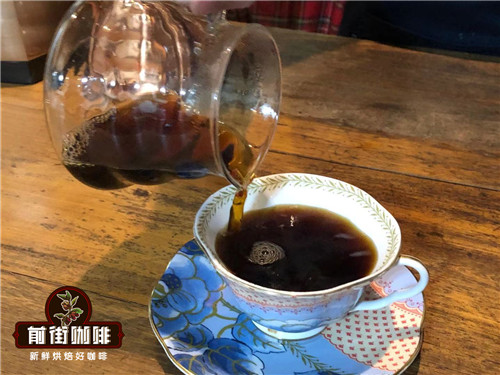
Quiet operation is another highlight of hand grinders. Compared with the obvious noise of an electric grinder running at high speed, manual grinding has a gentler rhythm, so it is less likely to disturb family members who are resting or to be a nuisance late at night. Tests show that a typical hand grinder's operating noise can be about 60%-70% lower than that of an electric model, an advantage that stands out especially when used next to a bedroom or near a children's rest area.
Freedom from power constraints is one of the core advantages of hand grinders. For outdoor scenarios such as camping and hiking, there is no need to worry about battery life or power outlets; paired with a portable hand grinder (commonly weighing 200-400 grams), you can enjoy the fresh taste of freshly ground coffee at any time. On business trips, the compact hand tool also slips easily into a carry-on bag, becoming a source of coffee ritual in the office or a hotel room.
Beyond practical function, hand grinders also carry a unique vintage charm. Whether it is a classic model with a brass body and wooden handle or a modern minimalist new-style product, the mechanical structure itself can become a visual focal point on the table. Notably, some century-old vintage grinders (when well preserved) can match new models in grinding performance; their collectible value may be higher, but the actual cost of use is not necessarily greater.
When operating a hand grinder, it is advisable to master the following practical tips: first, adjust the grind setting according to the type of coffee (for pour-over, a medium-fine grind resembling granulated sugar is usually chosen), and keep a single grinding batch to 15-20 grams; second, maintain a steady rotation speed (1-2 turns per second is best) and avoid speeding up and slowing down, which causes uneven grind size; finally, clean the burrs regularly (brush out residual grounds monthly, and do a deep clean with a cleaner made specifically for coffee grinders every quarter) to ensure stable extraction.


