Why Cold Brew Coffee Is Low in Acidity and Its Best Shelf Life
Introduction: Cold brew coffee has become a favored choice in summer for its refreshing, low-acid taste. Have you ever wondered why, with the same coffee beans, cold brew is less likely to have a sharp acidity compared to hot brew? This is closely related to how water temperature affects the extraction efficiency of flavor compounds. This article not only explains in depth why cold brew coffee is lower in acidity but also details the standard cold brew process and key parameters, and tells you exactly how long cold brew coffee can be stored in the refrigerator for the best flavor.
When you taste hot coffee and cold brew made from the same coffee beans, you can often clearly perceive the difference in flavor—hot coffee may have bright acidity and exuberant aroma, while cold brew is usually softer, cleaner, and less acidic. This difference mainly stems from the effect of extraction temperature on the proportion of various soluble substances released from the coffee.
Cold brew coffee is extracted by steeping coffee grounds in room-temperature water for a long time, typically requiring ground coffee to be mixed with water and refrigerated for 8 to 12 hours. The low-temperature environment significantly reduces the dissolution rate of acids and bitter components, resulting in a coffee liquid with less astringency and acidity, and an overall flavor that is more balanced and mellow, especially suitable for those who prefer a clean, low-stimulation taste.
Making a well-balanced cold brew coffee at home is actually not complicated. First, you need a sealable container, such as a dedicated cold brew pitcher or a large glass bottle with a lid. If you don't have specialized equipment, a regular clean container sealed with plastic wrap can achieve a similar effect.
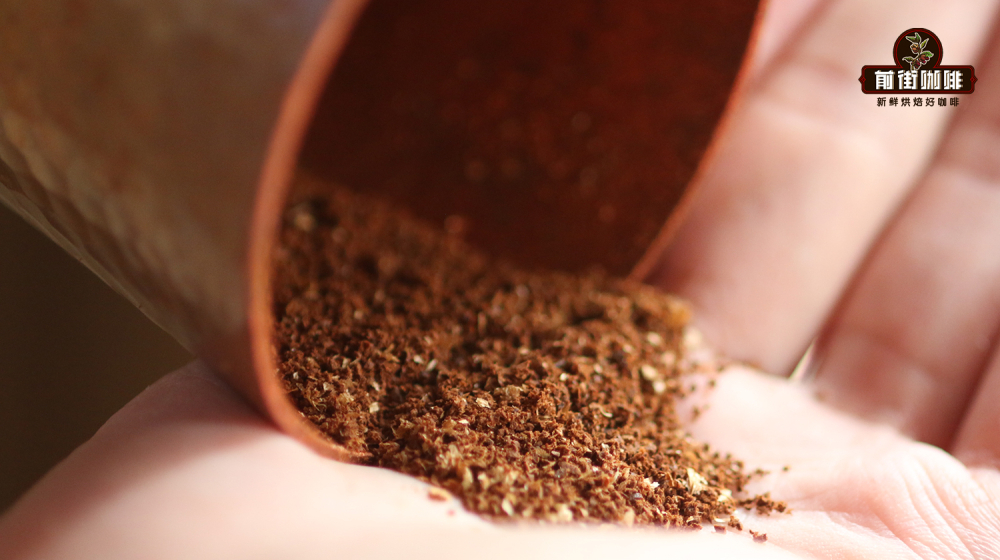
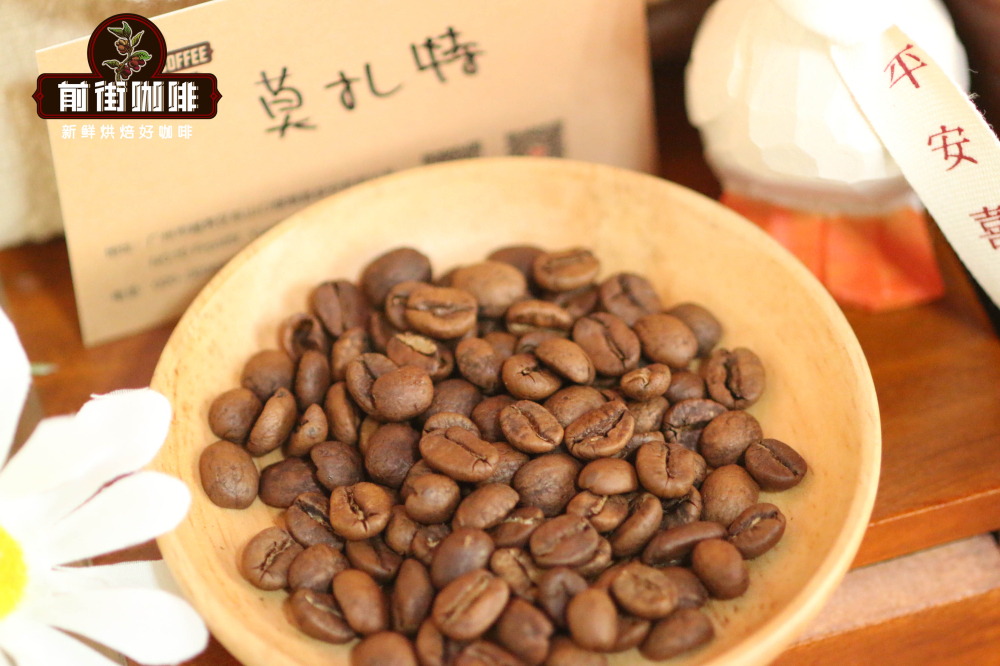
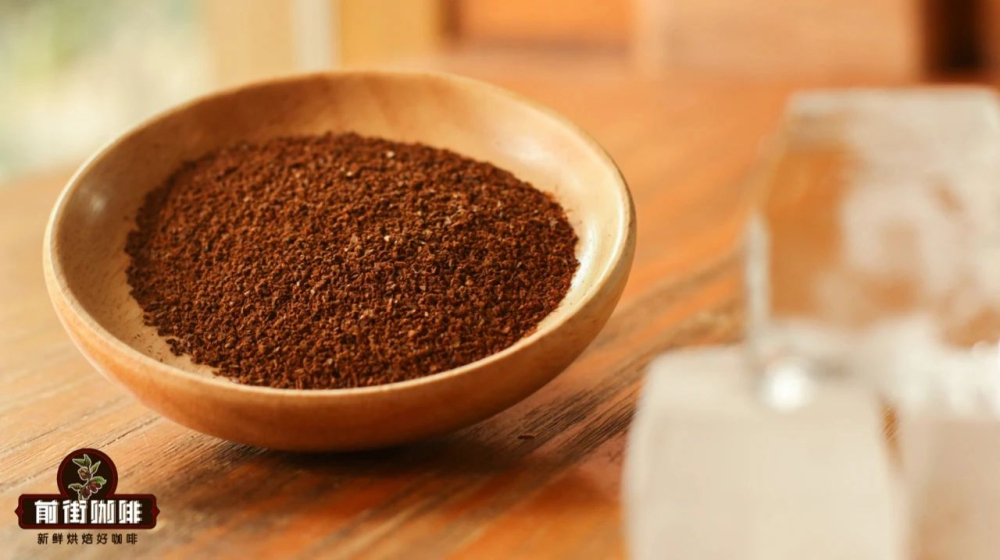
Next is the choice of coffee beans and grinding. It is recommended to use medium-dark to medium roast coffee beans, as these beans usually have good sweetness and body, which better complement the flavor characteristics of cold brew. Grind the coffee beans to a coarseness close to fine granulated sugar, generally corresponding to a 82%–85% pass rate through a No. 20 sieve; this coarseness ensures slow water penetration without excessively clogging the filter. If you use a hand grinder, you can refer to a setting between 20–22 clicks; for an electric grinder like the EK43s, adjust to around 9, and fine-tune flexibly based on the actual grind size.

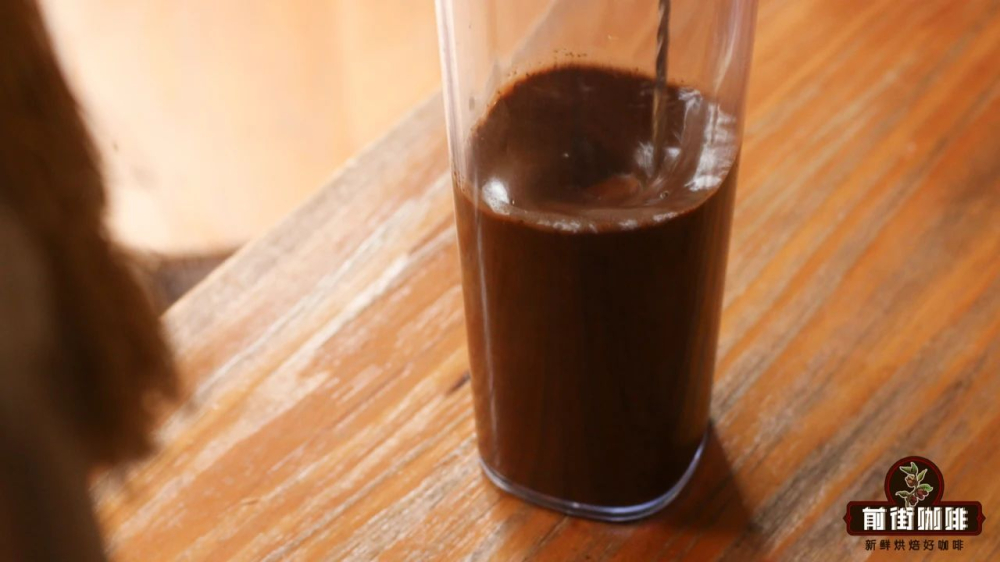
After grinding, prepare according to the common coffee-to-water ratio of 1:12; for example, use 50 grams of coffee grounds and pour about 600 milliliters of room-temperature purified water. This ratio can be flexibly adjusted according to personal preference for strength, but it should not be too weak or too strong to avoid affecting the overall balance. Pour the coffee grounds into the filter of the container or directly into the bottom of the container, then slowly pour in the room-temperature water, ensuring all coffee grounds are thoroughly saturated.
Next, seal the container tightly and place it in the refrigerator for extraction; be sure to use refrigeration, not freezing. The standard cold brew time is recommended to be controlled between 8 and 12 hours; too short a time may result in insufficient flavor extraction, while too long can easily bring excessive extraction and off-flavors. During refrigeration, try to avoid frequent opening to maintain a stable low-temperature environment.




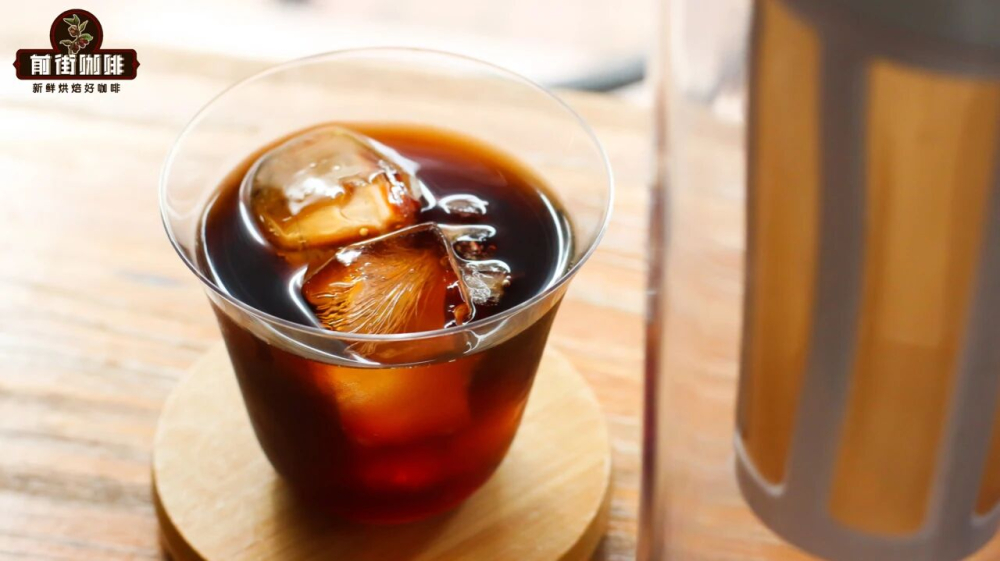
After extraction, filter the coffee liquid through filter paper or a fine mesh to remove the coffee grounds, which effectively improves the purity of the taste. The filtered cold brew coffee can be drunk directly or served with ice, a small amount of milk, or plant-based milk, adjusted further to personal taste. Cold brew coffee usually has lower acidity and more prominent sweetness, making it very suitable for summer refreshment.
So, how long can the prepared cold brew coffee be stored? From the perspectives of flavor retention and food safety, it is recommended to consume it within 5 days after preparation to ensure the best flavor and drinking safety. Since cold brew is operated at low temperature throughout, microbial growth is relatively slow, but long-term storage is still not recommended to avoid flavor deterioration or potential spoilage risks.
In addition, if you use a slightly higher water temperature (such as warm water) to accelerate extraction when making cold brew, because higher temperatures release more flavor compounds, including components prone to oxidation or microbial growth, this "hot-steeped cold brew" method has a shorter shelf life; it is recommended to finish it within 2 days to prevent deterioration in taste or gastrointestinal discomfort.