Coffee Bean Grading Standards: How Is Yirgacheffe G1 Defined?
Introduction: Coffee bean grading directly affects flavor expression and market price, but differences in standards across producing regions often confuse consumers. This article takes an in-depth look at the world's mainstream grading systems, focusing on the rating rules for washed beans such as Ethiopia's G1/G2, revealing the core role of screen size (e.g. 18/64 inch) and defect rate, and, through a comparison of Kenya's AA/AB grades and a case study of the Yirgacheffe region, helps you build a scientific framework for understanding bean selection.
Before green coffee is exported, processing plants use metal screens to physically grade the beans. The holes in these screens are perfectly round, and their specifications are marked in fractions of 64ths of an inch, ranging from size 8 to size 20—the larger the number, the larger the bean diameter allowed to pass through. It is worth noting that screens designed specifically for oval coffee beans use oval holes matched to the long axis, but conventional grading still relies mainly on round holes.
In actual grading operations, workers pass the coffee beans one by one through a series of screens, and the final grade depends on the largest hole size the beans can pass through and the next screen size at which they are retained. For example, if a batch of beans can all pass through a size 18 screen (hole size 18/64 inch) but cannot pass through a size 16 screen (16/64 inch), that batch is classified as grade 18. Considering natural variation in production, international bodies usually allow a 5% tolerance, meaning a small number of beans outside the target size range may still remain in that grade.
The market generally believes that larger coffee beans often come from high-altitude regions—this is because an environment with a large temperature difference between day and night slows the ripening of the coffee fruit, prompting the bean to accumulate more flavor compounds and form a dense structure. A typical example is the Kenyan region, which divides washed beans into two grades, AA (size 18 screen and above) and AB (size 16-17 screen), with AA, because of its plump beans and low defect rate, typically commanding a market price 30%-50% higher than AB. But beware that there are exceptions to this correlation.
The East African highland regions represented by Ethiopia show distinctly different characteristics: even when the screen size of local high-quality washed beans is only 14/64 inch (about 5.5mm), they can still display complex floral and fruity notes and bright acidity. Ethiopia's coffee grading system is unique in that it divides washed beans into five grades, G1 to G5, among which G1 (the highest washed grade) and G3 (the highest natural grade) represent specialty level. The specific criterion is the number of defective beans allowed in a 300-gram green coffee sample: G1 ≤ 3 beans, G2 4-12 beans, G3 13-25 beans, G4 26-45 beans, G5 46-90 beans.
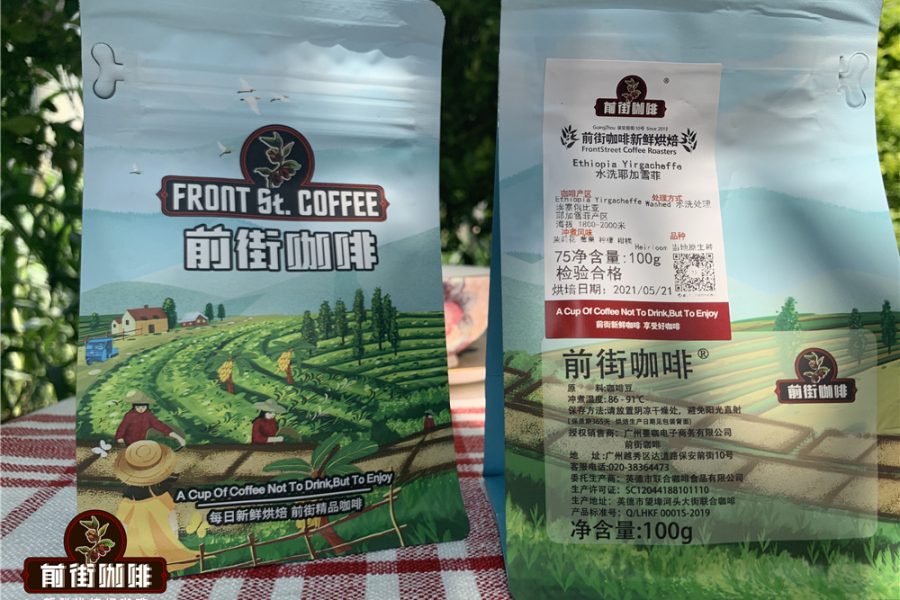
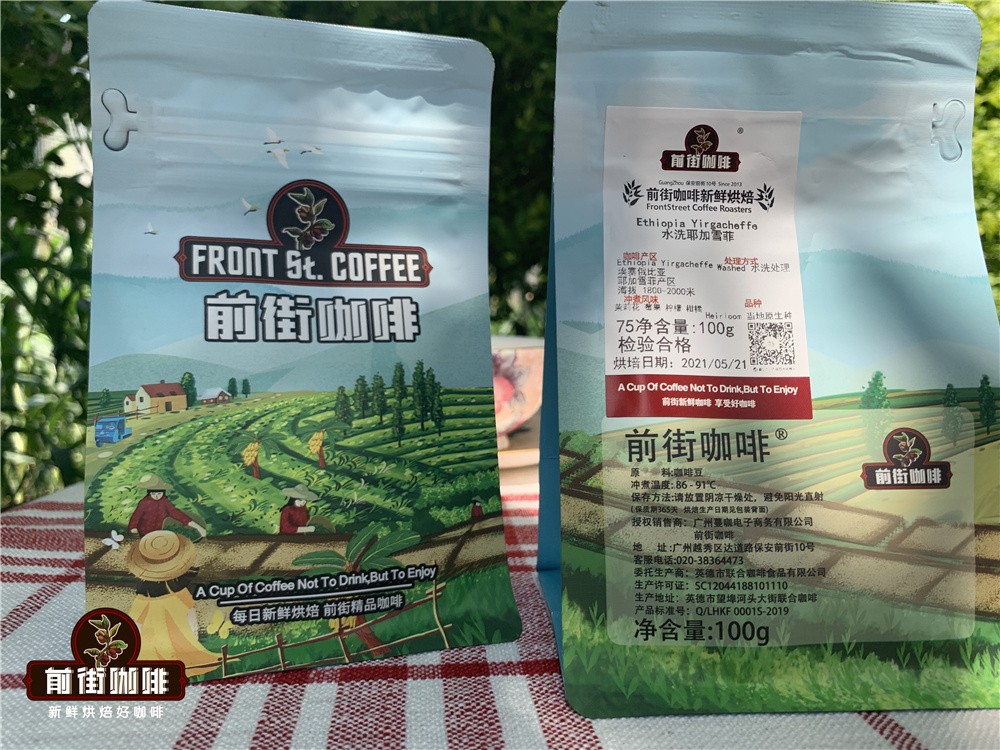
It should be specially noted that the actual screen size of high-quality washed beans from many famous Ethiopian regions (such as Yirgacheffe and Sidamo) often falls between 14-16/64 inch, far smaller than the Kenya AA standard, but this does not prevent them from producing top-tier coffee with prominent citrus notes and excellent body. This contrast confirms an important point: the core determinants of coffee quality lie in growing altitude, processing method and variety characteristics, and judging by bean size alone has limitations.
For ordinary consumers, when buying it is advisable to give priority to washed beans clearly labeled G1/G2, or to judge flavor performance through cupping reports provided by authoritative roasters. If you encounter products that claim a high grade but actually contain a large number of broken beans, black beans or insect-damaged beans, even if they are labeled with a screen size of 18 or above, you should carefully assess the authenticity of their quality.


