Brazil Dona Estate Yellow Bourbon Medium-Dark Roast: Pour-Over Flavor Analysis and Brewing Tips
Introduction: This Yellow Bourbon coffee from South Minas, Brazil, develops a weighty bittersweet chocolate character and a rich, brown-sugar-like body after medium-dark roasting. We will take an in-depth look at its regional terroir and pulped natural processing, explain why it suits pour-over extraction, and offer specific recommendations for roast level, water temperature and grind size, helping coffee lovers better experience the flavor layers of this internationally awarded bean.
The Yellow Bourbon coffee beans from Brazil's Dona Estate come from the highlands of South Minas at 1,200 meters above sea level, where the climate and soil provide an ideal growing environment for the coffee fruit. The estate uses meticulous hand-picking to ensure every coffee cherry reaches optimal ripeness, the fundamental guarantee of flavor purity.
For processing, Dona Estate chose the pulped natural method: the outer skin and pulp of the coffee cherry are removed first, but part of the mucilage is left on the parchment for drying. This process balances the nutty notes common in Brazilian coffee with bright fruit acidity, ultimately presenting a complex flavor of blackcurrant, almond, hazelnut and roasted walnut.
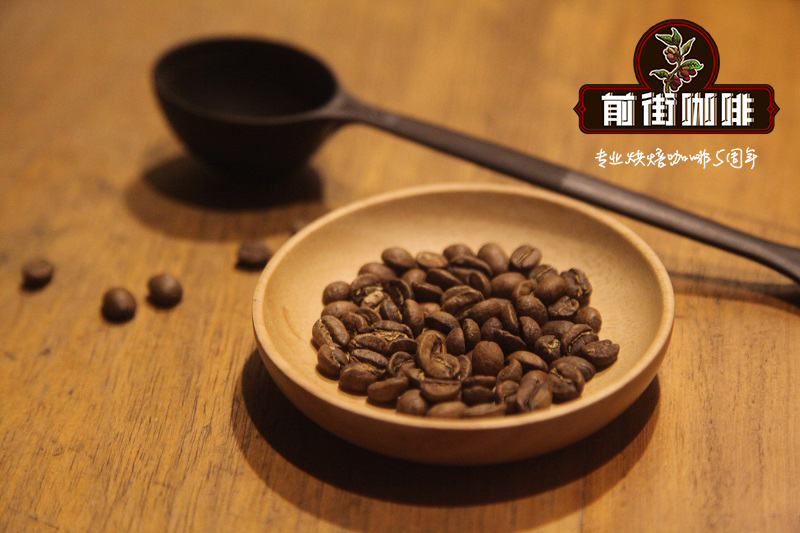
Medium-dark roasting is the highlight of this bean—when roasted to the stage between dense first crack and the beginning of second crack, the beans develop a substantial bittersweet chocolate flavor and a syrupy, brown-sugar-like viscosity. This roast level brings out the natural body of Brazilian beans without excessively masking the variety's distinctive floral and fruity notes.
The Dona Estate's farming history dates back to 1977, when the founder named the estate Dona after his mother. Beyond coffee, the farm adheres to an ecological cultivation model: preserving 450 acres of native forest, installing water-source protection facilities along the riverbanks, and maintaining soil vitality through crop rotation with food crops and livestock farming. These measures make the estate's environmental standards far exceed Brazilian regulatory requirements.
From a technical standpoint, the estate has achieved highly automated production: it is equipped with intelligent harvesters that select fully ripe fruit, electronic sorting equipment that detects green-bean density and defect rates, and a fully automated drying system that monitors moisture content in real time. Together these steps ensure batch consistency, a key factor in its repeated international awards.
For home brewing, a V60 or French press is recommended: keep the water temperature at 90-92°C, with a grind close to fine granulated sugar (about 70% passing a Chinese standard No. 20 sieve). Pour in a centered circular motion, and aim for a total extraction time of 2 minutes 30 seconds to 3 minutes to better reveal its chocolate finish and nutty base.
It is worth noting that medium-dark roasted Brazilian beans are rather sensitive to under-extraction—too fast a flow rate can easily bring out a sharp acidity. Adjust the coffee-to-water ratio (1:15 to 1:16) or extend the bloom time (over 30 seconds) to optimize the flavor balance.


