What Does Guatemala SHB Coffee Mean? Antigua Region Flavor and Grades Explained
Introduction: Have you ever wondered what SHB on Guatemalan coffee beans stands for? Why is coffee from the Antigua region often called specialty? This article explains the historical evolution of Guatemala's coffee grading system, interprets the real relationship between altitude grades and quality, and analyzes in depth how the unique terroir of the Antigua region creates its signature flavor, helping you select coffee beans more professionally.
Guatemala's coffee grading system can be traced back to 1928, when it was established by the Central Coffee Office of that time. This quasi-governmental institution was formed jointly by government representatives, coffee growers' associations, and trader groups, with the core goal of setting quality grading standards for export coffee and helping growers secure reasonable pricing power in overseas markets (especially the United States).
The system initially divided coffee into nine grades based on growing altitude, from the 'ordinary grade' in low-altitude areas (about 610-762 meters) to the high-altitude 'Strictly Hard Bean' (SHB, above 1,524 meters). Among them, SHB, due to the lower growing environment temperatures and the longer growth cycle of the coffee trees, has denser beans and is generally considered to have richer flavor potential.
It is worth noting that early grading descriptions once included explanations linking coffee bean size and quality (for example, high-altitude beans tend to be larger), but according to a 2013 report submitted by Guatemala to the International Coffee Organization, the country no longer officially maintains specific coffee quality standards. However, in actual trade, altitude grading remains an important reference for judging the basic quality of coffee.
Currently, as much as 81.4% of Guatemala's exported coffee is SHB grade, Hard Bean (about 1,200-1,500 meters) accounts for about 10%, and low-altitude grades and robusta together account for less than 10%. This means that the vast majority of specialty-grade Guatemalan coffee on the market can be classified as SHB, but note that some SHB products may also enter the mass consumer market.
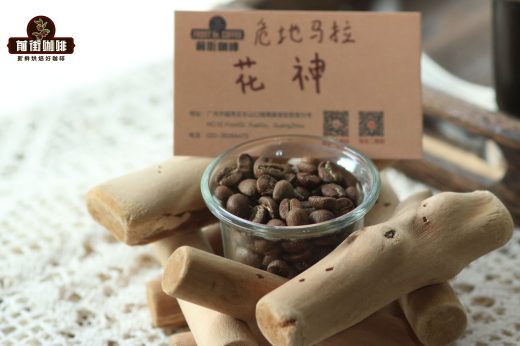
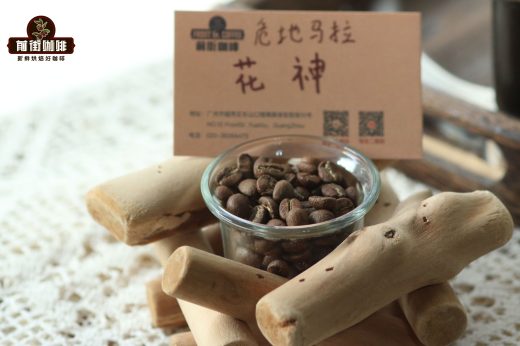
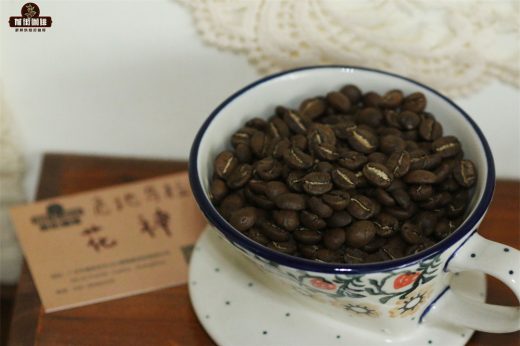
Among the many Guatemalan regions, Antigua is one of the most prestigious representatives. This area is located in a valley surrounded by three active volcanoes. The volcanic soil is rich in minerals, and the significant temperature difference between day and night and stable cloud cover provide ideal growing conditions for coffee trees. The coffee produced here usually shows complex flavor layers, known for a mild cocoa finish and rich, silky spice notes, with bright but not sharp acidity and outstanding overall balance.
The flavor characteristics of Antigua are often seen as a typical microcosm of Guatemalan coffee: compared with ordinary Central American coffee, its aroma is deeper and heavier, often with dark chocolate, smoky, and subtle nutty tones. This unique style stems both from the local microclimate and from traditional shade-growing methods and washed processing.
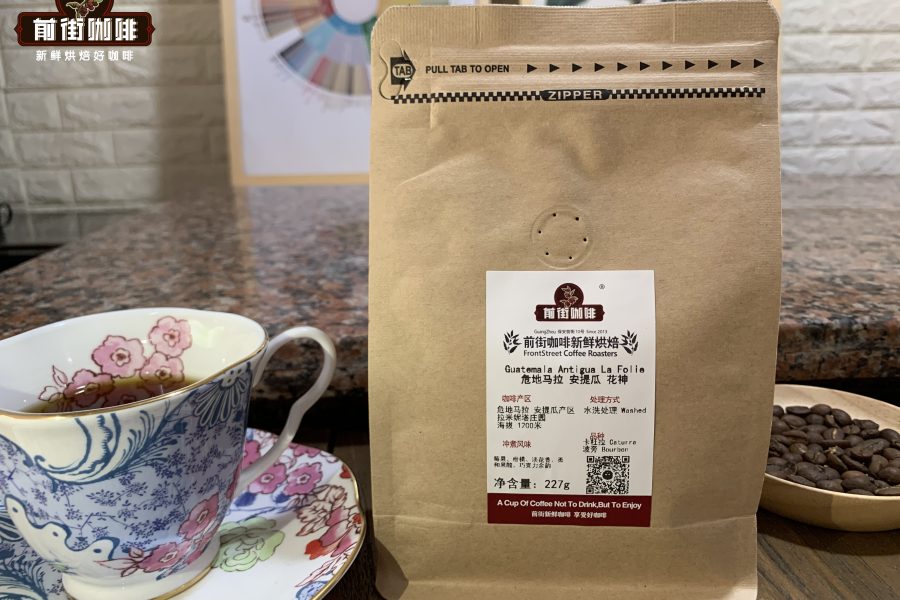
For coffee lovers, understanding the SHB grade and regional characteristics can effectively guide purchasing. If you seek a rich, full-bodied taste with chocolate base notes, Antigua SHB is a classic choice worth trying; if you prefer brighter acidity and floral-fruity notes, you can look to other high-altitude regions such as Huehuetenango. When buying, it is recommended to prioritize products that clearly indicate origin, processing method, and roast date, so as to fully experience the diverse charm of Guatemalan coffee.