Guatemala Antigua and Atitlán Coffee Flavor Guide and Pour-Over Tips
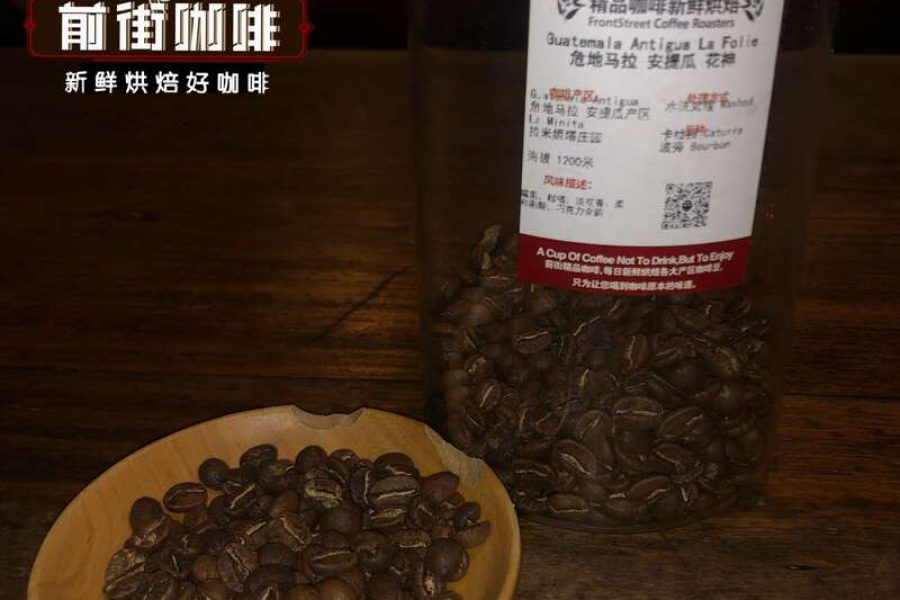
Introduction: Guatemala's Atitlán and Antigua are two classic coffee regions, where unique terroirs nurture beans with distinctive flavors. This article examines the core differences between the beans from these two regions in acidity, aroma, and body, and includes reference pour-over parameters to help you precisely experience the layered charm of Guatemalan coffee.
In the mid-eighteenth century, Jesuit missionaries introduced coffee trees to Guatemala. These plants were initially grown for their ornamental flowers, but locals soon discovered their remarkable adaptability—Guatemala's climate allowed the coffee trees to thrive, and the beverage made from their fruit was even more astonishing. Although the specific details of coffee's introduction are disputed, this history laid the groundwork for Guatemala's emergence as a top coffee origin.
Guatemala's coffee-growing regions are widely distributed, and each area produces beans with distinctive flavors due to differences in altitude, soil, and microclimate. Among them, Antigua and Atitlán are the most closely watched regions; they not only possess signature flavor profiles but also, thanks to consistent quality, have become collector's choices for coffee lovers worldwide.
Coffee from the Antigua region is characterized primarily by highly complex acidity. On entry, a bright citrus acidity blooms first, then layers gradually unfold: beneath it emerges a distinctive spicy and smoky note, reminiscent of roasted nuts charred over embers; the mid-palate reveals a faint delicate floral note, like the understated elegance of jasmine or white freesia; the finish lingers with a gentle chocolate aftertaste, where sweetness and body are perfectly balanced. This exquisite interweaving of acidity, bitterness, and sweetness makes it a classic choice for pour-over enthusiasts—a water temperature of 92-94°C, a 1:15 coffee-to-water ratio, and a medium-fine grind (70%-75% passing through a Chinese standard No. 20 sieve) are recommended, with staged extraction to highlight its multi-layered flavors.
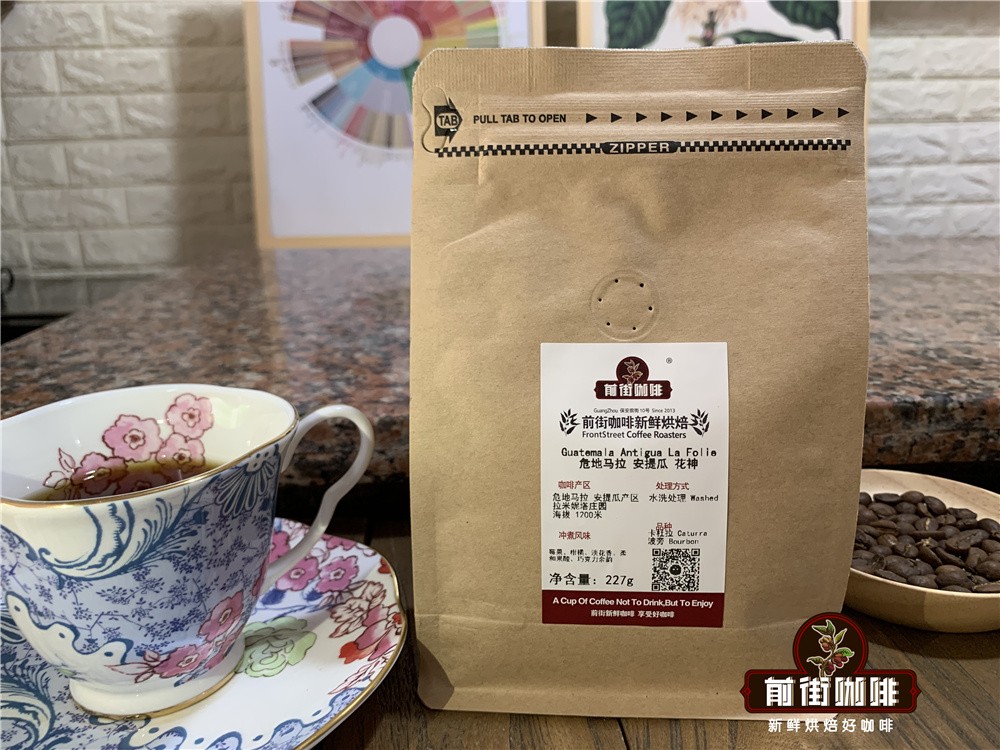
The Atitlán region, by contrast, builds its flavors on a unique geographical setting. The area surrounds Lake Atitlán, and the moist lake-surface vapor provides stable humidity for coffee tree growth, while local coffee farmers often use lake water for wet processing—the slow current carries away pectin while giving the beans a purer base flavor. The coffee trees are mostly planted on the steep slopes of three active volcanoes; the pumice soil formed by volcanic eruptions is rich in minerals such as potassium and phosphorus and has excellent drainage; combined with the nourishment of organic compost, the fruit accumulates sufficient sugars.
Notably, Atitlán is adjacent to the Fraijanes Plateau (north of Guatemala City), which is significantly influenced by Pacaya Volcano (Guatemala's most active volcano). The pumice soil brought by regular volcanic eruptions not only has good aeration but also continuously replenishes potassium—a mineral that can enhance coffee's sweetness and body. The more northerly Huehuetenango region, though remote, has become a specialty region thanks to its extremely high altitude (often above 1,800 meters) and special climate: dry hot winds from Mexico's Tehuantepec Plain block frost, allowing coffee trees to grow in extreme conditions, and the beans produced often have more intense herbal notes and a solid structure.
For coffee lovers, distinguishing the flavors of these two regions can start with the brewing experience: Antigua is suited to showcasing the evolution of acidity layers, and a V60 dripper with a center-pour technique is recommended; Atitlán, with its prominent sweetness, can better highlight its rich body when steeped in a French press. Whether you seek bright acidity and aroma or full, sweet smoothness, the beans from these two regions can add a distinctive mark to your tasting list.