Costa Rica vs Guatemala Coffee: How Do Their Grading Standards Differ?
Introduction: Did you know that coffee beans labeled 'premium' can vary greatly in quality depending on their origin? Costa Rica and Guatemala, two major specialty coffee regions in Central America, each have their own independent grading systems. This article explains how the two countries classify coffee by key indicators such as altitude and hardness, and tells you how these standards affect pour-over flavor, helping you choose beans that truly suit you.
There are many types of coffee beans worldwide, but grading standards vary from place to place. Coffee grades are essentially a basis for classifying quality, and they intuitively reflect a bean's tier. However, grading systems around the world are like puzzle pieces—there is no unified template, and each country sets its own rules. For example, Indonesian Grade 1 beans and Peruvian Grade 1 beans may differ significantly in quality, and Honduras's EP grade and Colombia's EP grade tolerate defective beans in completely different ways.
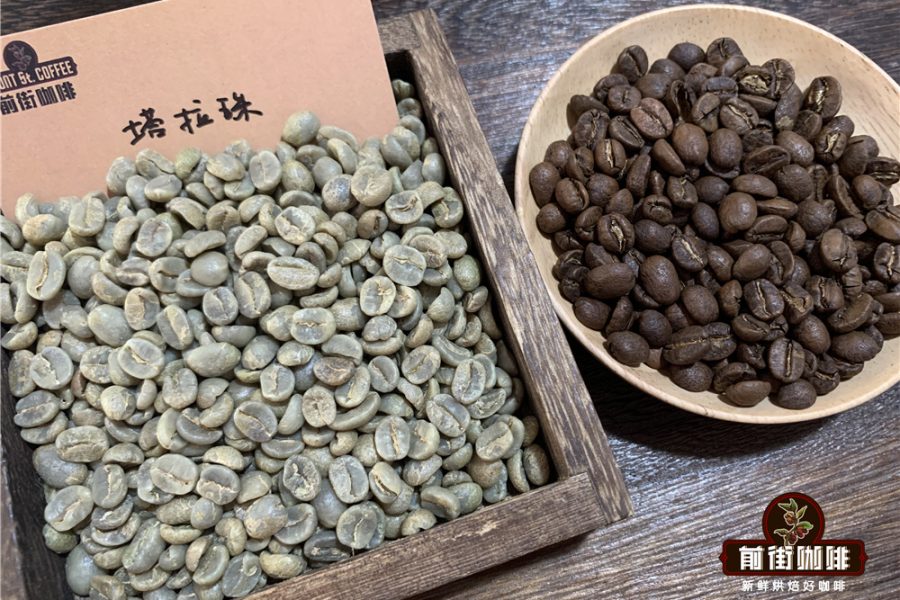
Despite varying standards, most systems still revolve around a few core dimensions: green bean size (i.e., screen size), growing altitude or region, coffee variety, defect count, processing method, bean density, and post-roast appearance and cupping performance. Together these elements form the basic quality profile of a cup of coffee.
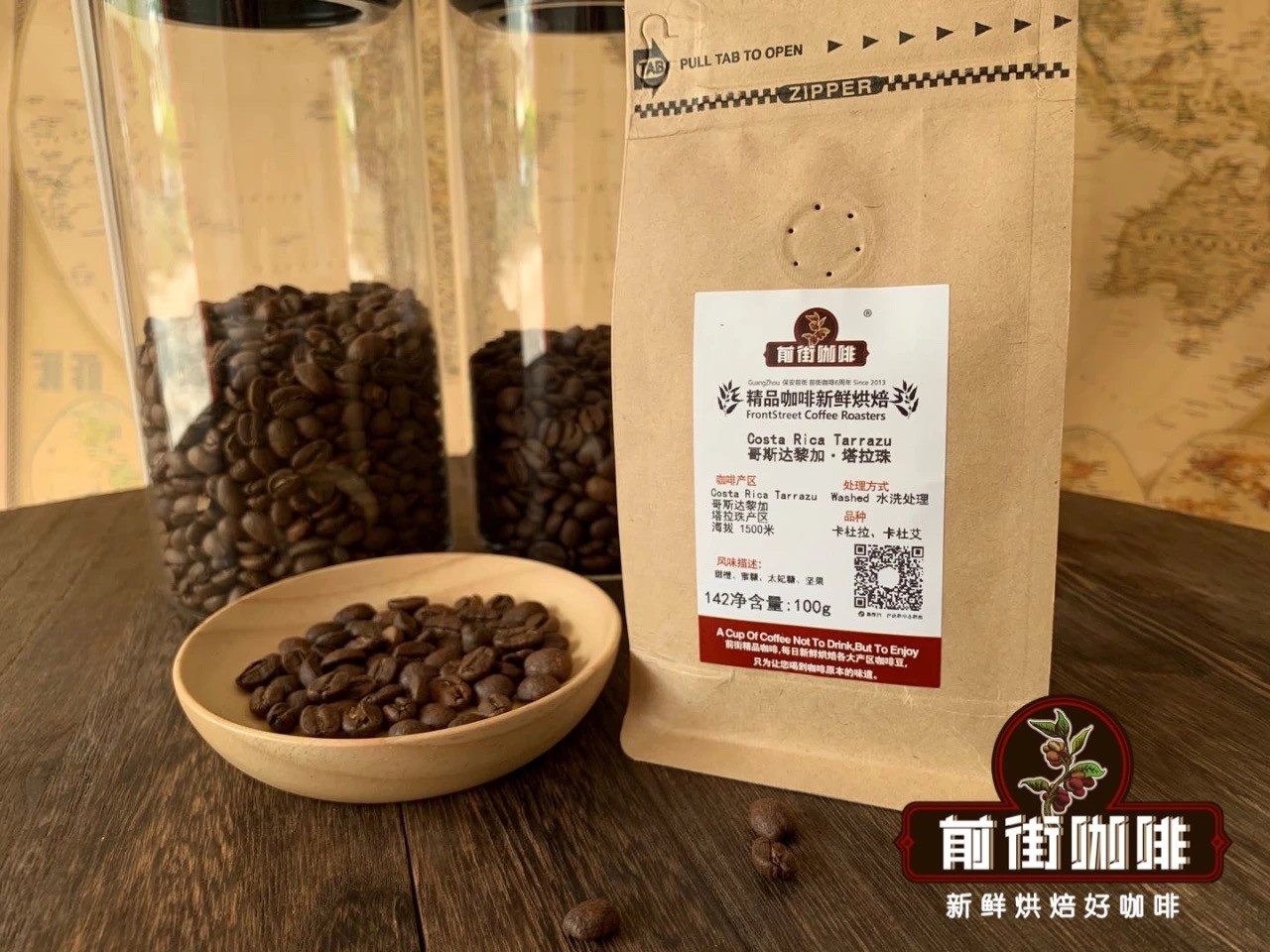
Costa Rica uses a unique altitude-and-hardness grading method. It clearly divides coffee beans into three categories: Strictly Hard Bean (SHB) refers specifically to high-mountain beans grown above 1189 meters (about 3900 feet); Good Hard Bean (GHB) covers the 1006–1189 meters (3300–3900 feet) range; and Medium Hard Bean (MHB) comes from low-altitude areas of 488–914 meters (1600–3000 feet). Notably, Central America generally holds that the slower the fruit matures, the more it can develop beans with bright high acidity and rich flavor layers, and altitude is a key variable affecting maturation speed.
Guatemala's grading logic is similar to its neighbor's but differs in detail. Strictly High Grown/Strictly Hard Bean (SHB) requires a growing altitude above 1350 meters, while the Hard Bean (HB) growing zone lies between 1219–1524 meters (4000–5000 feet). Here too the golden rule applies: the higher the altitude, the denser the bean and the greater its quality potential. But in actual trade, note that some Guatemalan regions incorporate microclimate differences into additional ratings—for example, beans grown in volcanic soil may carry an extra special designation.
For ordinary consumers and pour-over enthusiasts, understanding these grades matters because: high-altitude hard beans are usually better suited to light-to-medium roasts that highlight floral and fruity notes, while low-altitude soft beans may show a fuller chocolate finish at medium-dark roasts. Next time you shop for Central American beans, check the altitude marking and grade abbreviation on the packaging first—this is more reliable than relying solely on marketing terms like 'specialty' or 'top-grade.'