Guatemala Atitlán vs Antigua Coffee Beans: Flavor Differences and Pour-Over Tips
Introduction: Guatemala's two famous coffee regions—Atitlán and Antigua—are often compared by coffee lovers. Although both grow at high altitudes in volcanic soil, differences in microclimate and processing give them distinctly different flavor profiles. This article examines their core differences, from altitude and soil characteristics to actual flavor expression, and provides professional pour-over parameters to help you find beans better suited to your taste.
Guatemala's complex terrain and frequent volcanic activity have produced some of the world's top specialty coffee regions. Among them, coffees from the shores of Lake Atitlán and the historic city of Antigua are often cited by experienced roasters as classic cases for flavor comparison. Both share the full body and bright acidity that are hallmarks of Guatemalan coffee, but the finer differences are enough for the palate to distinguish their unique characters.
The Atitlán region lies in highland terrain at 1,200–1,500 meters (the original figure of 1,350 meters falls within this range). Red soil formed from volcanic ash deposits is rich in minerals such as iron and magnesium, and with abundant annual rainfall of more than 2,000 millimeters, it provides an excellent growing environment for coffee trees.Coffee in this region is typically harvested from December to March of the following year, and the longer ripening period allows the fruit to accumulate more sugar. Its flavor profile is dominated by a dark berry base, paired with distinct warm cinnamon-like spice notes and a dark chocolate finish; the acidity is lively but not overly sharp, and the overall balance is excellent.
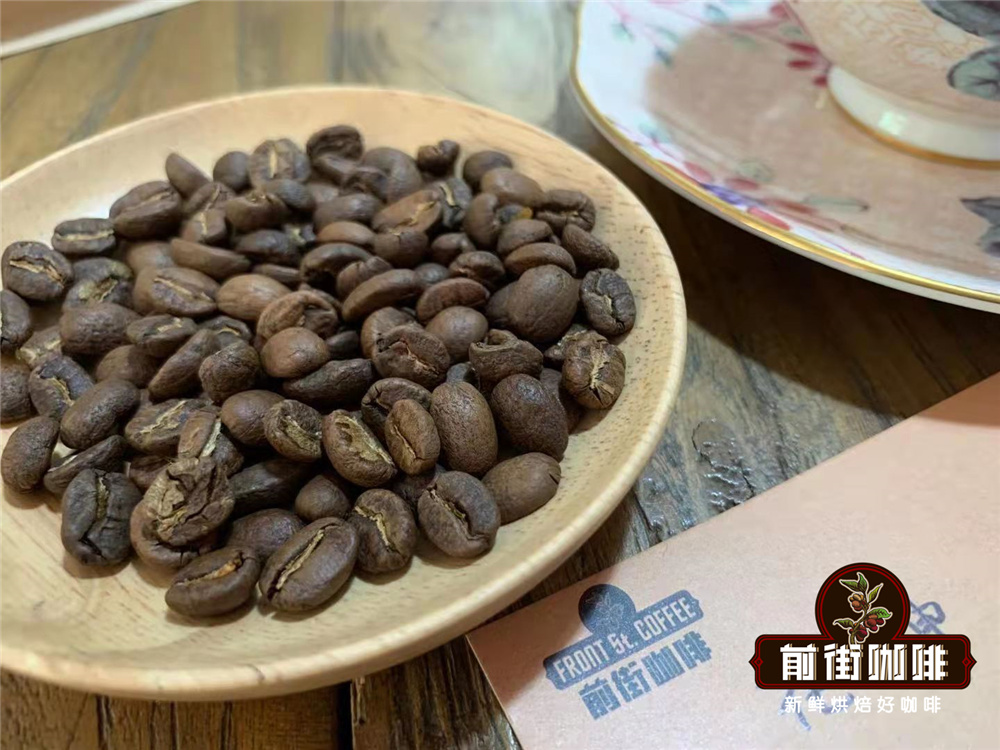
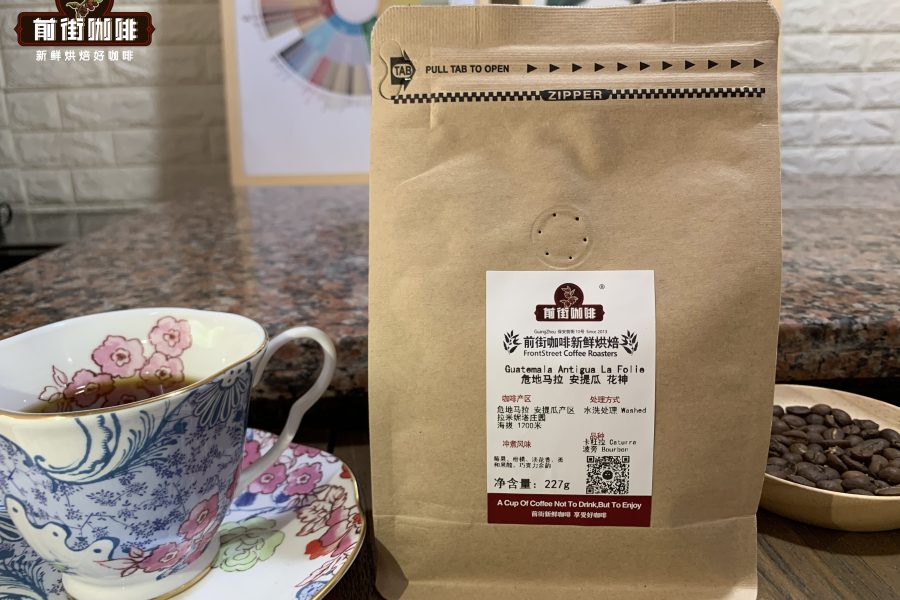
By contrast, the Antigua region, though also located in a volcanic zone (for example, between Agua Volcano and Fuego Volcano), generally sits at 1,500–1,800 meters, with day-night temperature swings of more than 10°C. This environment prompts coffee cherries to develop more complex aromatic compounds. Its classic flavor expression is the rich bitterness of cocoa powder interwoven with jasmine florals, accompanied by moderate bright citrus acidity. Many roasters report that Antigua beans tend to show honey-like sweetness at light to medium roasts, while darker roasts intensify their nutty and caramel characteristics.
In terms of processing, both regions use traditional washed processing, but some Atitlán estates experiment with honey processing to highlight sweetness, while Antigua more often retains traditional methods to ensure clarity of acidity. It is worth noting that Atitlán, being near the lake, has higher air humidity (the original mentions "stronger winds and more moisture"), which places greater demands on the drying stage for coffee cherries; high-quality estates usually extend shade-drying time to ensure consistent quality.
Taking pour-over performance as an example: for Atitlán beans, a medium-fine grind is recommended (for example, Fuji R44 setting 6–7), with a water temperature of 90–92°C; a center pour plus staged extraction better highlights the spice and chocolate layers. Antigua beans suit a slightly coarser grind (R44 setting 5–6), with a water temperature of 88–90°C; extending the bloom time (about 40 seconds) awakens the floral and fruity aromas. For both, a V60 or conical dripper is recommended to emphasize a clean, bright cup.
Other Guatemalan regions such as Huehuetenango and the Fraijanes Plateau also have their own characteristics, but Atitlán and Antigua are undoubtedly the best entry point for understanding the country's coffee terroir differences. Whether you prefer the rich, full chocolate-and-nut style (Antigua) or the fresh, balanced berry-and-spice profile (Atitlán), comparative tasting of these two beans can help coffee lovers pinpoint their personal taste preferences more precisely.