Hawaii Kona Coffee Beans: Type I vs Type II and the Full Grading System
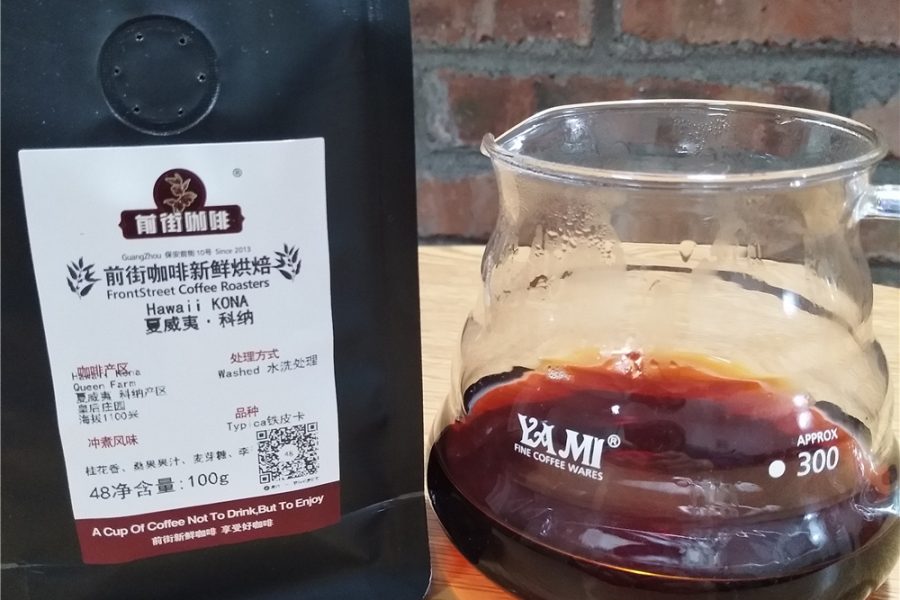
Introduction: Kona coffee owes its world-class flavor to unique volcanic soil and microclimates, yet the market is flooded with 'Kona-flavored' coffees that blur the concept. This article takes a deep dive into Hawaii's official grading system, reveals the differences between Type I flat beans and Type II round Peaberry, and walks you through the complete standards from growing environment to flavor grade, helping you identify truly high-quality Kona coffee beans.
On coffee lovers' tasting lists, beans from the Kona region of Hawaii's Big Island have always held a special place. This area, surrounded by the Hualalai and Mauna Loa volcanoes, relies on mineral-rich volcanic soil and a stable temperature difference of around 20°C year-round to cultivate beans known for bright acidity, a full body and a distinctive caramel finish. But precisely because of its scarcity and high reputation, the market often sees marketing chaos that abuses the name 'Kona'.
To protect the quality reputation of authentic Kona coffee, the Hawaii Department of Agriculture has established a strict grading system. This system not only regulates basic requirements such as growing area (limited to the Kona district of the Big Island) and processing methods, but also clearly classifies beans into different grades through multiple indicators including seed form, appearance defect rate, roasting uniformity and flavor performance. The most basic classification is the one consumers often hear about: Type I beans and Type II beans.
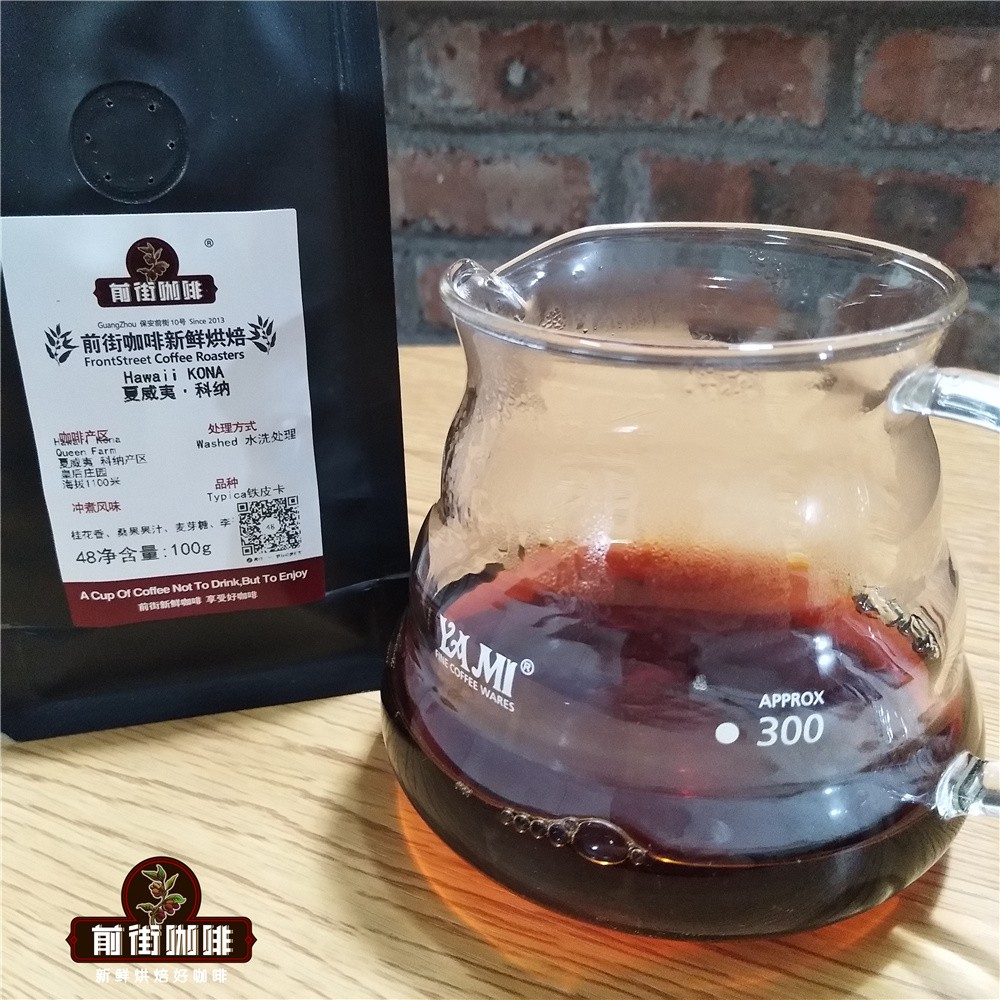
Type I beans are the most common type in Kona coffee: two flat beans naturally grow inside each coffee cherry, and this type accounts for the vast majority of annual production. According to Hawaii Department of Agriculture standards, Type I beans can be subdivided into five quality grades based on factors such as defect rate, size uniformity and color after roasting—from the top 'Extra Fancy' grade (no more than 2 defective beans per 300-gram sample, plump beans, and even dark brown color after roasting) to the basic grade (a slightly higher defect rate allowed but basic flavor integrity required), each grade has clear quantitative indicators.
Unlike Type I beans, Type II beans are also called Peaberry (round beans) and are a special mutation in coffee growth. Normally, each coffee fruit develops two flat beans, but about 3%–5% of fruits, due to abnormal embryo development, fuse the two beans that should have split into a single round bean. These round beans are usually denser than flat beans—about 15%–20% higher in density—and heat more evenly during roasting, so they are often described as having more intense sweetness and concentrated nutty notes.
Note that Peaberry is not the result of human intervention but a naturally occurring genetic mutation. Because yields are scarce (only a small amount of round beans per hectare) and the screening process requires hand-picking bean by bean (ordinary flat beans can be separated in bulk with screens, while round beans must be identified by experience), its market price is usually 30%–50% higher than Type I beans of the same grade. But consumers should still be on guard when buying—some merchants may mix a small amount of round beans into ordinary flat beans and label the product 'contains Peaberry'; a truly pure Peaberry lot will clearly state '100% Kona Peaberry' on the packaging.
Regulations on blended coffee also deserve attention: under Hawaii law, a product may be labeled 'Kona Blend' only when Kona coffee beans make up ≥10% of the product. But in the actual market, many low-priced blends add only a tiny amount of Kona beans (sometimes even less than 5%), with the rest mostly cheap beans from Central and South America or Southeast Asia; such products are legal but can hardly express the unique flavor of Kona coffee. Consumers are advised to prioritize products labeled '100% Kona' or with a clear grade (such as Extra Fancy Type I / pure Peaberry) to ensure quality.
Besides seed type, Kona coffee grading also focuses on roast quality and flavor performance. A qualified roast must ensure even bean surface color (no obvious light or dark patches) and no scorching or under-roasting; at the flavor level, it must have the balance characteristic of the Kona growing region—bright citrus/berry acidity, medium body, and a clear caramel or spice note in the finish. When evaluating, professional cuppers assess these indicators using standardized brewing parameters (such as a 1:15 coffee-to-water ratio and a water temperature of 92±1°C) to ultimately determine the specific grade of each lot.


