Kona Coffee Bean Grading: Type I, Type II and Peaberry Flavor Differences
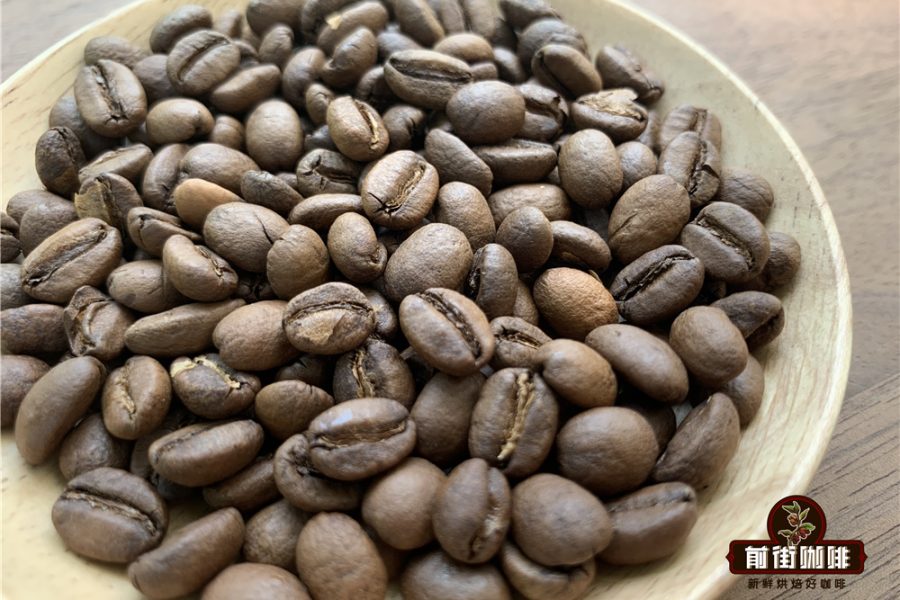
Introduction: Kona coffee is known for its distinctive flavor, yet its grading system often confuses consumers. This article takes a deep look at the grading standards for Kona Type I and Type II (Peaberry) beans, from Extra Fancy down to the lower grades, covering 10 detailed differences, to help you understand which beans are worth buying. It focuses especially on Peaberry, which makes up only 3-5% of the crop, comparing its flavor with that of ordinary beans, and includes professional roasting parameters and defect-rate references to help you select high-quality Kona coffee beans with precision.
Kona coffee quality grading considers not only roast evenness and final flavor performance but also strict bean classification standards. Before flavor grade is assessed, all coffee beans are first divided by form into two major categories, Type I and Type II. The former is the regular two-bean structure, while the latter is the single round "peaberry" produced by genetic mutation; this special form accounts for about 3-5% of each season's crop.
Type I Kona beans are subdivided into five drinking grades based on bean size, color uniformity and defect rate. The top Kona Extra Fancy is the ultimate choice for coffee lovers: all beans must pass through a 19/64-inch round-hole screen (about 7.5 mm in diameter) to ensure maximum size; moisture content is strictly controlled at 9%-12%, and a 300-gram sample may contain no more than 8 defective beans. Its flavor is layered and complex, often showing bright citrus acidity and creamy body with a subtle spice finish, and it accounts for about 20% of annual production.
The next grade, Kona Fancy, is also excellent; although it allows 12 defective beans per 300 grams, it still maintains an 18/64-inch (about 7.1 mm) screen pass rate and balanced emerald-green color.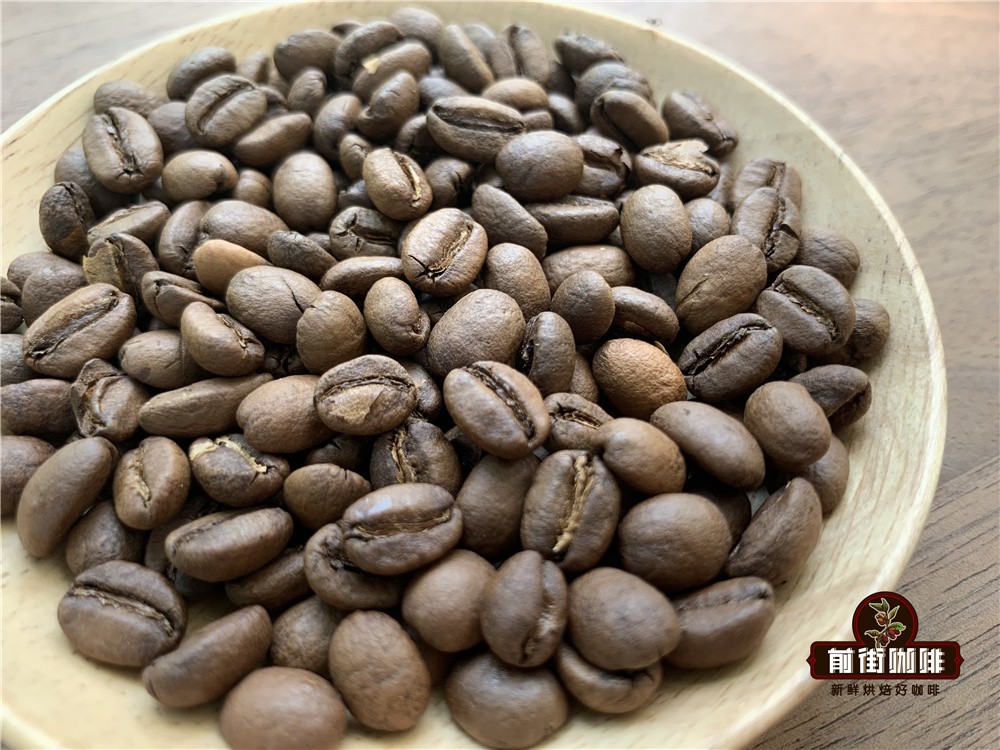 The third grade, Kona No. 1 (commonly mistaken as second only to Extra Fancy), actually ranks third; it must pass through a 16/64-inch screen (about 6.3 mm), the defect-bean limit per 300 grams is relaxed to 18, but the ideal moisture range of 9%-12% is still maintained.
The last two basic grades have clearly lower requirements for size: Kona Select removes mandatory size and color standards and allows a 5% defect rate per 300 grams; Kona Prime, as the entry level, allows a defect-bean proportion of up to 20% and is suitable for everyday brewing. Note that "X-3" (35% defect rate) and "Non-Grade" beans below Prime can only be labeled as ordinary Hawaiian coffee and may not use the Kona origin designation.
Type II Kona beans are the famous Peaberry, formed when a single coffee cherry develops only one round, plump bean. This mutation allows the bean to heat more evenly and usually shows more concentrated sweetness and fuller body. Its grading is equally strict: Kona Peaberry No. 1, the top grade, must pass through an ultra-fine 10/64-inch (about 4 mm) screen, allows 18 defective beans per 300 grams, and has the same moisture standard as Extra Fancy; Kona Peaberry Prime relaxes the size limit but raises the defect-rate ceiling to 25% while still maintaining the 9%-12% moisture requirement.
Professional advice: when buying, check the official grading certificate first rather than a simple "Kona coffee" label. For pour-over, use a water temperature of 90-93°C and match the grind to the bean type: use a medium-fine grind for Extra Fancy (70% passing a Chinese standard No. 20 sieve), and a slightly coarser grind for Peaberry (65% pass rate). Store in a sealed, light-proof container, with relative humidity kept below 50%, to maintain flavor freshness.


