Drip-bag vs fresh-ground coffee: Yunnan small-bean and Typica brewing guide
Introduction: Which tastes better, drip-bag coffee or fresh-ground coffee? Starting from actual flavor experience, this article analyzes the unique advantages of drip-bag coffee and focuses on how two classic bean varieties, Yunnan small-bean and Typica, perform as drip bags. Through detailed brewing parameters and flavor descriptions, it helps beginners master drip-bag brewing techniques while understanding the taste differences brought by different processing methods.
When choosing drip-bag coffee, it is advisable to prioritize brands with a stable supply chain. High-quality drip-bag coffee is usually made from freshly roasted coffee beans; the shorter the period from roasting to packaging, the better the coffee's original aroma is preserved. Unlike tea leaves, after the first extraction the remaining components of drip-bag coffee grounds are mainly bitter substances and the flow rate slows, so re-brewing is not recommended.
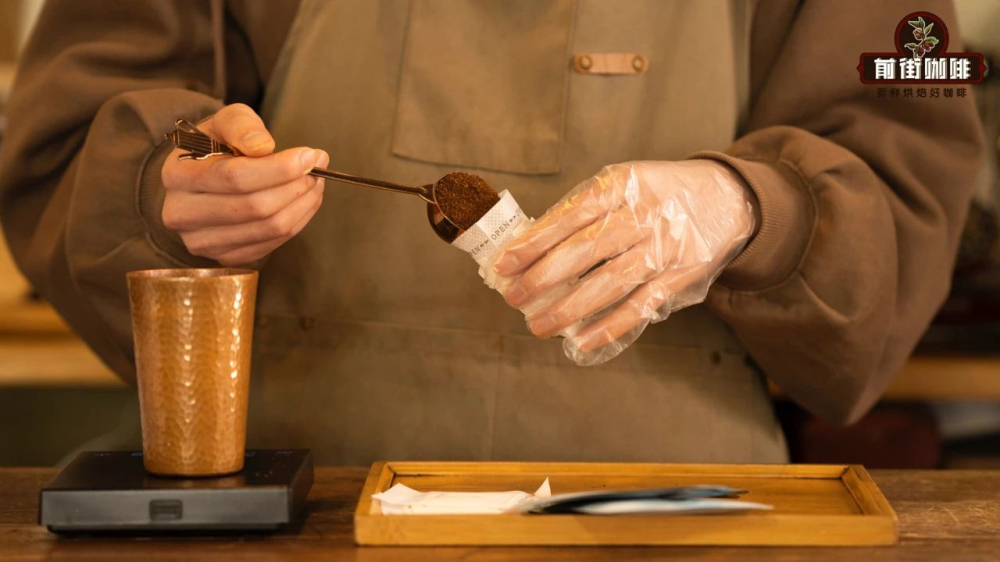
Drip-bag coffee is fundamentally different from tea leaves; its coffee grounds are suitable for only a single extraction. After the first pour, the flavor compounds in the grounds have largely been released, and brewing again not only fails to deliver an ideal taste but also produces a noticeable bitterness due to over-extraction. Considering the reasonable price of drip-bag coffee, each brew delivers a good flavor experience, so there is no need to worry about waste.
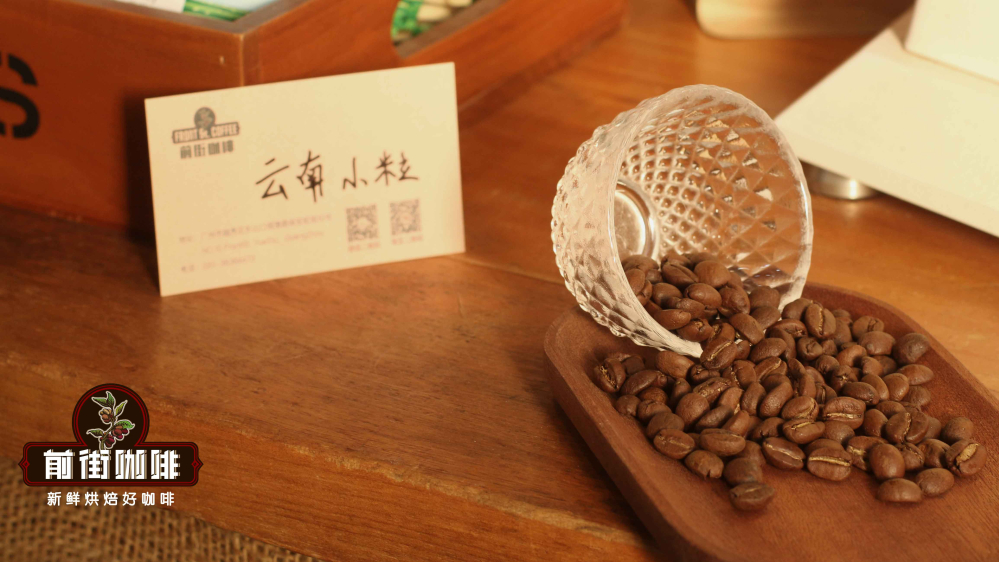
For consumers trying drip-bag coffee for the first time, it is recommended to start with bean varieties from the Yunnan region that have a balanced flavor profile. Such coffees are generally well accepted, showing the basic flavor characteristics of coffee without being too strong or harsh.
The Yunnan small-bean drip-bag coffee uses the Catimor variety grown at an altitude of 1,200 meters and is washed-processed. Its flavor profile shows a distinct nutty base with a moderate herbal note, chocolate and caramel sweetness emerging in the middle, and a fresh fruity acidity in the finish. This flavor combination makes it an ideal choice for everyday drinking.

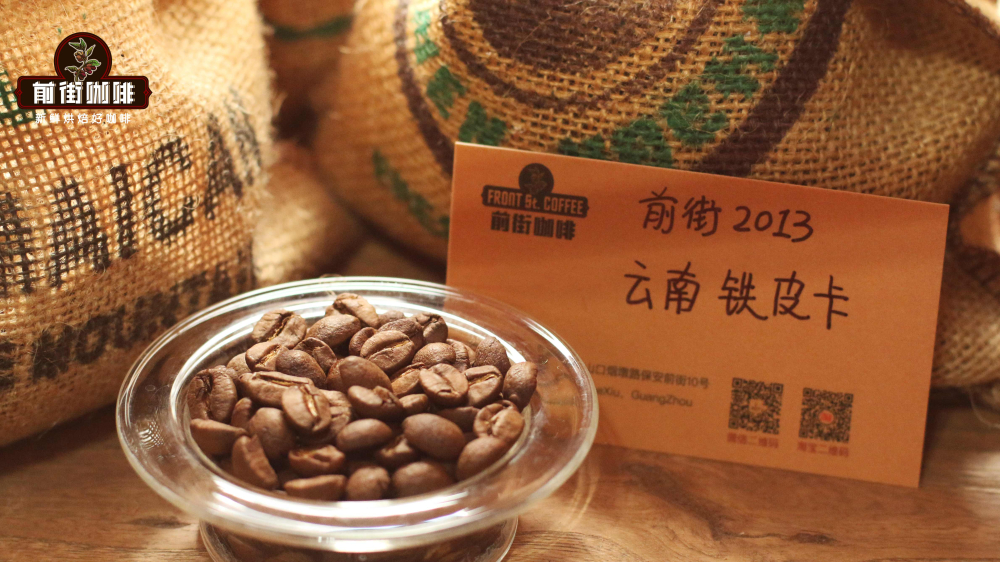
Another one worth trying is the natural-process drip-bag coffee made from the Typica variety, grown at an altitude of about 1,300 meters. The natural processing gives it a bright berry-like acidity, paired with a steady nutty note and a soft brown-sugar sweetness. Notably, this coffee shows a distinctive tea-like quality in the finish, adding layered variation to the overall flavor.

For standard drip-bag coffee, a coffee-to-water ratio of 1:15 to 1:16 is recommended, targeting 140–150 ml of brewed coffee. For water temperature, 90°C is the ideal range. If you lack a professional thermometer, after the kettle comes to a boil, turn off the heat and leave the lid open for 2–3 minutes (in a 28°C room); the water temperature will usually reach the target range.

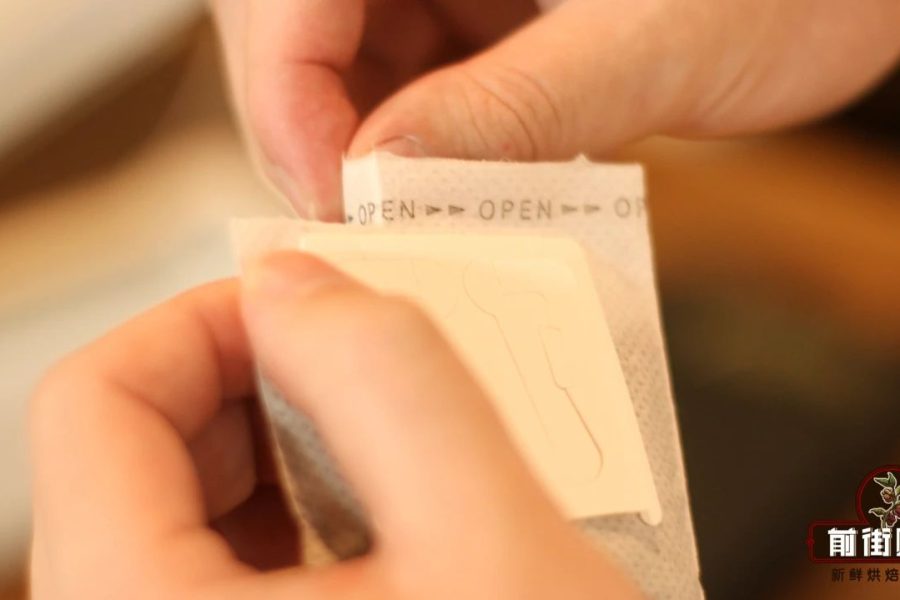
The specific brewing process can be divided into seven key steps: first, open the drip bag evenly along the marked opening and unfold the filter paper, hanging it symmetrically on the rim of the cup; then do a 30-second pre-infusion (bloom), using a small amount of hot water to thoroughly wet the coffee grounds; next, pour in a small stream in circles, and when the coffee bed has dropped by about one third, continue pouring, keeping an even pouring rhythm until the target volume is reached. The entire extraction process should ideally be completed in about 1 minute.
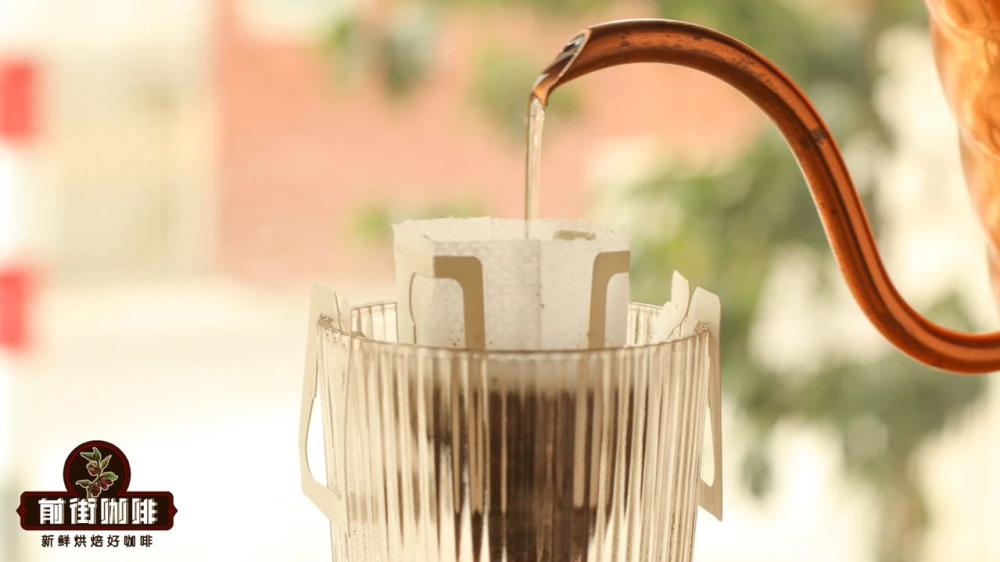
When pouring, keep the stream steady; it is recommended to start from the center of the coffee bed and expand outward in a spiral. If you want to control the water amount precisely, you can pre-measure 150–160 ml of hot water into the pouring kettle and simply remove the drip bag once all of it has been poured. After extraction, you can add an appropriate amount of fresh milk to taste.
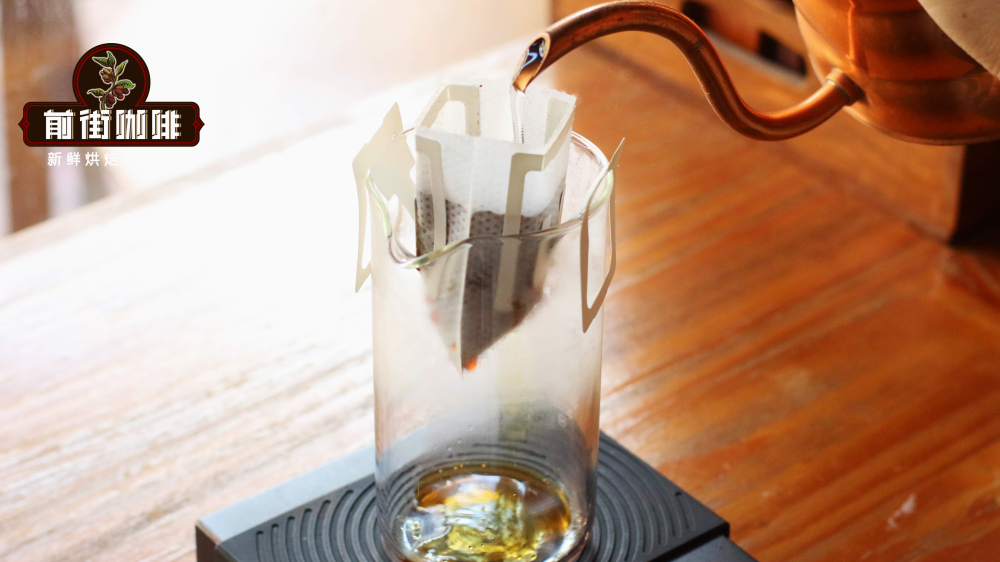
To fully bring out the unique flavor of each drip-bag coffee, it is recommended to use each bag only once. Brewing multiple times not only fails to deliver an ideal taste but may also degrade the flavor due to over-extraction. Store unused drip bags properly, away from moisture and prolonged exposure to air.


