Drip bags vs. steeped coffee bags: brewing and flavor guide
Introduction: Drip bag coffee and steeped coffee bags are both convenient coffee solutions, but they differ clearly in extraction method, operating steps and flavor performance. Starting from definitions, this article explains the core features of drip bags and steeped bags, compares their brewing parameters, process steps and flavor differences in hot brew and cold brew scenarios, and helps you choose the more suitable coffee format based on your needs and master more professional brewing techniques.
Have you ever wondered whether coffee, like tea, can simply be placed in a filter bag and brewed? Some people have raised the question that drip bag coffee requires controlling the water amount and pouring water in stages, making the operation somewhat cumbersome, while the steeped bag format seems simpler. In fact, although both coffee formats pursue convenience, the extraction principles and operating methods behind them are very different.
First, let us understand the common drip bag coffee. Drip bag coffee usually puts pre-ground coffee powder into a filter bag made of non-woven fabric or composite filter material, with paper ear tabs on both sides of the filter bag that can be hung. When using it, hang the ear tabs on the rim of the cup so that the filter bag is suspended in the cup, then pour in hot water, simulating the brewing method of pour-over coffee. This method is simple to operate; you only need to control the water temperature and water amount, wait for the coffee liquid to finish dripping, and you can enjoy a cup of freshly extracted black coffee.
Drip bag coffee is a type of drip-filter coffee, and its flavor performance is affected by multiple factors, including the coarseness of the coffee grounds, the coffee-to-water ratio, the water temperature, and the speed and method of pouring water. Generally speaking, the coffee-to-water ratio is often controlled at about 1:15, and the water temperature is recommended to be between 90°C and 96°C. These parameters directly affect the final flavor presentation and extraction efficiency.

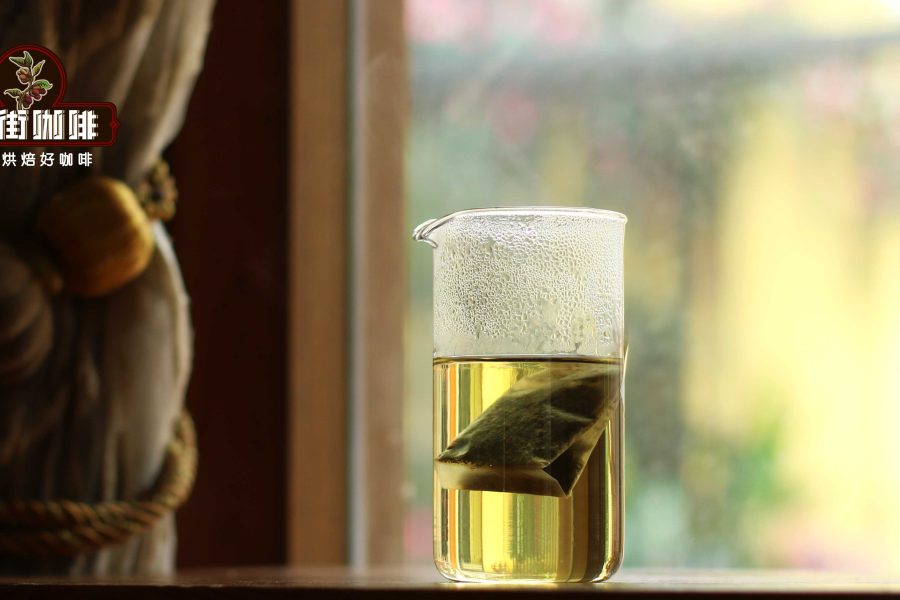
By contrast, steeped coffee bags are closer to the way "tea bags" are used. They use small sealed filter bags similar to tea bags, filled with coffee powder. When brewing, the entire filter bag is directly immersed in water, relying on steeping to let the coffee components dissolve naturally. This format originates from the early coffee brewing methods in 18th-century Europe, when people put coffee powder into cloth bags and steeped the whole bag in hot water, "boiling" it to the desired concentration before taking it out.
To compare the two coffee formats more clearly, we conducted practical tests, using the same coffee powder for hot brew and cold brew respectively, and observed their differences in operating process, extraction time, flavor performance and other aspects. The filter bag sizes used in the test were about 5.5×7 cm (mini steeped bags) and 7.5×9 cm (standard drip bags), each filled with about 10 g of medium-light roasted coffee powder, to ensure a fair comparison.
In the hot brew test, the standard parameters for drip bag coffee were set as: 10 g coffee powder, coffee-to-water ratio 1:15, water temperature 93°C, using a staged pouring method, total water amount 150 g. In actual operation, first pour a small amount of hot water (about 20 g) for blooming, then pour the remaining hot water in two stages, about 65 g each time, totaling 150 g, with the whole process focusing on stable water flow and even pouring.

The hot brew method for steeped coffee bags is simpler: put the filter bag directly into the cup, pour in 150 g of 93°C hot water at one time, then let it sit and wait for extraction. However, because the non-woven filter bag blocks the water flow, the contact efficiency between the coffee powder and water is lower, and the dissolution speed is slow. After more than 20 minutes of waiting, not only had the coffee temperature dropped noticeably, but the flavor concentration was far from the ideal state, and the test finally had to be stopped.
In terms of flavor, the drip bag coffee showed more prominent tropical fruit aromas, with obvious strawberry, dried mango and pineapple sweet-and-sour notes on the palate, accompanied by honey-like sweetness and a grape finish; while the coffee extracted by the steeped bag method was weak in flavor, with only faint dried fruit and floral notes perceptible, lacking layers and depth.
In the cold brew test, we adjusted the coffee amount to 20 g to better observe the flavor performance. The parameters were uniformly set as: 20 g coffee powder, coffee-to-water ratio 1:11, 220 g room-temperature water, steeping time 8 hours. The operating process for drip bag cold brew was: pour the coffee powder from the opened drip bag into a sealed container, add cold water and stir evenly, then refrigerate; during this period it can be shaken appropriately to promote extraction, and after 8 hours filter it and it is ready.

Steeped bag cold brew is more convenient: directly put two steeped filter bags into a container, pour in 220 g of cold water, seal and refrigerate, with no extra stirring needed, and after 8 hours take out the filter bags and drink. Because the coffee powder is wrapped in the filter bag, the filtering step is omitted.
The flavor comparison showed that the two cold brew coffees were relatively close in overall aroma, but differed in detailed flavors: the drip bag cold brew had a fresher mouthfeel, leaning toward raisin and citrus notes; while the steeped bag cold brew, because the coffee powder released substances in a concentrated way within the filter bag, had a richer flavor, presenting blueberry and black tea notes, along with a faint orange aroma.
Overall, if you prefer hot drinks, drip bag coffee is undoubtedly the better choice, with high extraction efficiency and rich flavor layers; while steeped coffee bags, due to lower extraction efficiency in hot brewing, easily lead to weak flavor. But in cold brew scenarios, the steeped bag format, because the coffee powder is steeped in a concentrated way, can release flavor substances more effectively and may instead bring a fuller mouthfeel experience.