Siphon Coffee Brewing Explained: Principles, Steps, and Flavor
Introduction: Siphon coffee is favored by coffee lovers for its unique visual effect and rich mouthfeel. This article explains in detail the construction and principles of the siphon brewer, walks you step by step through brewing coffee with this "scientific experiment-like" device, and analyzes its flavor characteristics. Once you master these techniques, you too can recreate café-level siphon coffee at home.
Siphon coffee is brewed with a device that uses an upper and lower double-globe structure combined with heat to create a pressure difference for extraction. After the bottom spherical vessel is heated, steam pushes the hot water up into the upper chamber to mix with the coffee grounds; after the heat is turned off, negative pressure draws the coffee liquid back down. The whole process is like a small science demonstration.
Core components explained: A typical siphon brewer consists of five parts—the lower heating globe (with an electric heating element or alcohol lamp base), the middle filter column (with filter cloth/mesh), the connecting tube, the upper extraction chamber, and the matching rubber sealing ring. Pay special attention that the top of the tube is usually higher than the lowest water level line of the lower globe; this is the key design that ensures safe reflux.
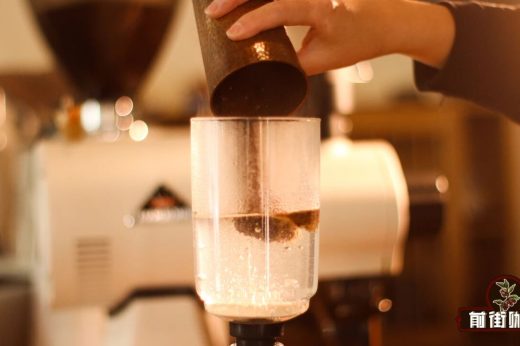
To brew, first add an appropriate amount of clean water to the lower globe (a suggested ratio is 150 ml water per cup with 18 g coffee grounds), and install the filter column with filter cloth. After lighting the heat source, when the water temperature rises to 85-92°C (adjust according to the roast level of the coffee beans), the hot water is pushed by steam pressure into the upper chamber. At this point, quickly pour in medium-fine coffee grounds, ground similar to fine granulated sugar, and stir gently with a bamboo spoon to aid dissolution.
During the key operation stage, keep the flame steady: when the water level in the lower globe drops to the tube inlet, the coffee liquid will appear to "boil and roll" under continued heating—in reality, steam bubbles are driving the grounds layer into motion. Professional advice is to keep the extraction time at 90-120 seconds; overheating will cause over-extraction and produce bitterness.
To end extraction, promptly remove the heat source. The temperature of the lower globe then drops and forms negative pressure, and the coffee liquid quickly flows back through the filter cloth within 10-15 seconds. Observe the reflux state: when the clear coffee liquid has fully returned, it is done; if cloudy liquid remains, the grind is too coarse or the stirring was insufficient.
In terms of flavor, siphon coffee combines the full body of a French press with the clean layers of pour-over. Because of the high-temperature rapid extraction, it can highlight the coffee's nutty notes, caramel sweetness, and rich mouthfeel, while the acidity is relatively soft. Common mistakes include: using boiling water to brew directly (which easily scalds the coffee grounds), stirring too vigorously (causing channeling), and not cleaning the filter cloth thoroughly (affecting subsequent extraction).
Maintenance tips: after each use, rinse the filter cloth immediately with clean water; when not in use for a long time, disassemble and dry the sealing ring and store it sealed. Glass parts should be protected from sudden cold and heat; it is recommended to use special heat-resistant gloves when operating. Once you master these key points, you can use this "laboratory-grade" coffee device to enjoy a coffee-making experience full of ritual.