Siphon Coffee Beginner's Guide: Ratio, Steps, and Flavor
Introduction: With its unique scientific extraction principle and dramatic brewing process, the siphon has become an advanced choice for many coffee enthusiasts. This article explains the siphon's structure and principles in detail, offers a precise coffee-to-water ratio recommendation (1:10), breaks down the full process from preheating to drawdown, and provides flavor pairing suggestions for coffee beans of different roast levels, helping you master this highly ritualistic brewing method.

With its look resembling a chemistry experiment setup, the siphon often appears in retro films and TV shows, full of mystery. This extraction tool, which works on the principle of pressure difference, can produce hand-brewed coffee with both body and complexity. Its core appeal lies in precisely controlling heat, stirring rhythm, and extraction time to reveal the diverse flavor characteristics of coffee beans.

The siphon consists mainly of three parts: the spherical lower chamber stores and heats the water, the cylindrical upper chamber is where the coffee grounds meet the hot water, and the two are connected by a tube fitted with a sealing gasket. When the bottom is heated, steam pushes the water up into the upper chamber containing the coffee grounds, creating an immersion extraction environment. Noteworthy is the filter cloth fastener at the end of the tube: its attached weight ball not only prevents the boiling water from suddenly erupting but also helps judge the water temperature by the shape of the bubbles.

Mainstream heating options include the alcohol lamp (precise temperature control), gas burner (rapid heating), and halogen lamp (stable, constant temperature). As for filter material, a flannel filter cloth retains more oils for a fuller mouthfeel but requires regular cleaning and care; filter paper filters out fine impurities for a clearer coffee liquid and suits users pursuing pure flavors. Essential accessories also include a heat-resistant stirring spoon and a wet towel for emergency cooling.

The siphon's extraction logic is based on air pressure difference: heating brings the water in the lower chamber to a boil, and the steam pressure pushes the hot water through the tube into the upper chamber to mix with the coffee grounds. After the heat is turned off, the pressure drops sharply, and gravity plus residual steam pressure draw the coffee liquid back down automatically. A trick to speed up the drawdown is to wrap the lower chamber with a wet towel, using the temperature difference to lower the internal pressure and increase the flow rate. The whole process usually lasts 70–90 seconds; too long leads to over-extraction and bitterness.

Recommended standard parameters: pour 180 ml of room-temperature water into the lower chamber (the actual water volume must match the upper chamber's capacity), control the initial water temperature at 88±2°C, and use a medium-fine grind (reference: 90% passing a No. 20 sieve, close to a medium pour-over grind). The golden coffee-to-water ratio is 1:10 (i.e., 18 g of coffee grounds to 180 ml of water), adjustable to 1:12 or 1:8 to taste. During operation, be sure to wipe dry any water on the outside of the lower chamber to avoid cracking, and before first use, it is advisable to test the whole process with clean water.

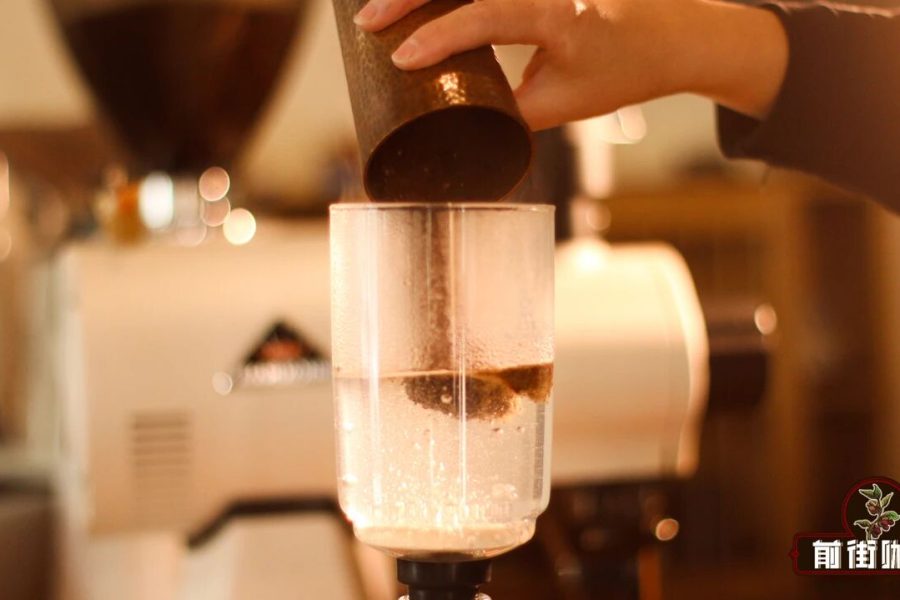
Detailed procedure: ① In the preheating stage, add water to the lower chamber and light the heat source; ② when assembling the upper chamber, make sure the filter cloth holder is firmly hooked in, insert it into the lower chamber at an angle, and straighten it once continuous small bubbles appear; ③ after the water has fully risen into the upper chamber, first stir clockwise from the outside inward for 10 seconds to thoroughly wet the coffee grounds; ④ after 40 seconds of blooming, stir briefly a second time (5 seconds), then immediately turn off the heat and use a wet cloth to assist the drawdown; ⑤ at about 1 minute 10 seconds total, remove the upper chamber and pour the coffee into a preheated server.
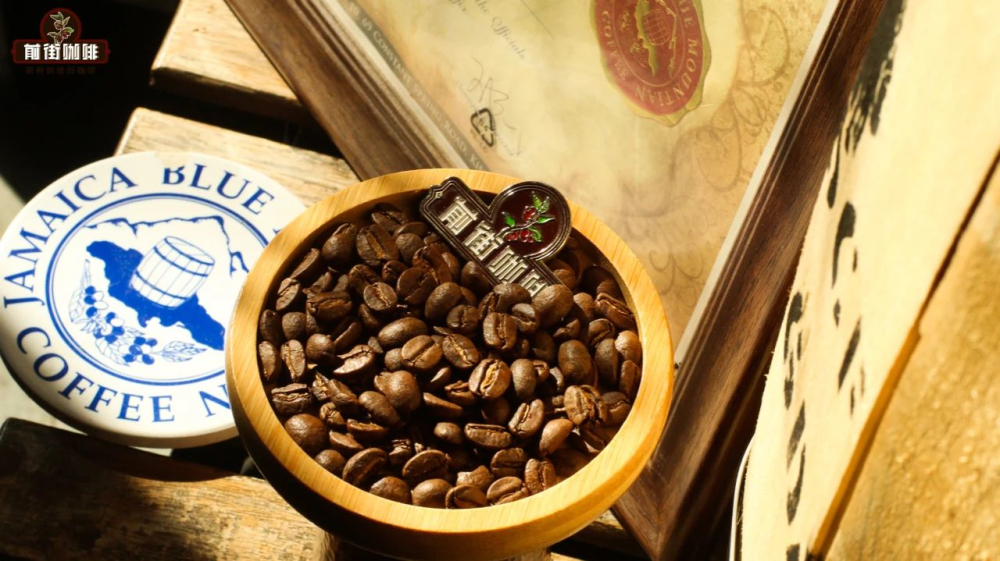
Traditional siphons suit medium-dark roasted beans; thanks to thorough caramelization, these beans present heavy flavors such as chocolate and nuts. Beans from regions such as Brazil and Indonesia are recommended, whose full-bodied base pairs well with siphon extraction. But under the modern specialty coffee trend, high-quality light to medium roast beans are equally suitable—the key is to adjust parameters according to the bean: for light roasts, shorten the blooming time to 30 seconds and lower the water temperature to 86°C to prevent over-extraction; for dark roasts, extend the interval before the second stir to 50 seconds.

Examples of applying specialty-flavor beans: natural-process Yirgacheffe, whose berry notes become rounder in acidity when combined with the siphon's immersion characteristics; raisin-honey-process Costa Rican beans, whose honey sweetness and tropical fruit aroma are amplified by siphon extraction. Common problems from improper handling include: uneven stirring causing channeling (local over-extraction), excessive heat causing local boiling (upsetting flavor balance), and overly fast drawdown leaving coffee residue (always check the filter cloth's integrity before use).

Maintenance tips: after each use, promptly disassemble and clean the filter cloth (a dedicated soft brush with neutral detergent is recommended), and clear the inside of the tube with a fine needle. When not in use for a long time, drain the water and store in a dry environment. Common beginner mistakes include over-pursuing high-temperature fast extraction (damaging flavor compounds), neglecting coffee-to-water ratio precision (affecting concentration balance), and misjudging the optimal flavor window (it is recommended to taste immediately after extraction is complete).