French Press vs Siphon: Extraction Principles and Flavor Differences
Introduction: French press and siphon are classic manual brewing devices that have won the favor of many coffee enthusiasts with their unique extraction methods. This article starts from the construction and working principles of each device, analyzes in depth the extraction differences between the two, and through a flavor comparison reveals which one better suits your taste preferences. With this knowledge, you will be able to choose the brewing tool that better fits your needs.
Among the dazzling array of coffee equipment, the French press and the siphon hold important places with their unique charm. Although both are non-electric manual brewing devices, their design philosophies and extraction logic differ significantly. Understanding these differences not only improves the brewing experience but also helps coffee enthusiasts make more precise choices based on personal taste preferences.
In terms of appearance, the French press has a minimalist construction—a heat-resistant glass body paired with a removable stainless steel filter and a pressure plunger. This classic design, refined over a century, combines practicality and aesthetics. The siphon, by contrast, presents a more complex structure: 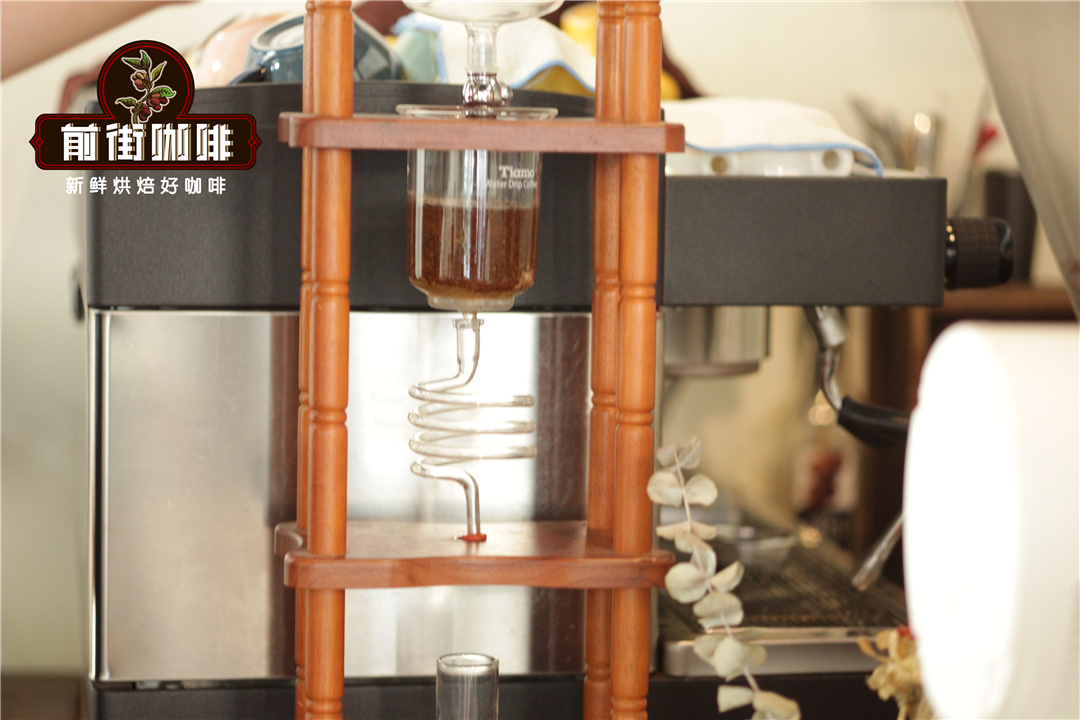 its lower chamber is suspended on a metal stand, with an alcohol burner or electric hot plate underneath; the upper chamber connects to the lower chamber via a tube and is equipped with a cloth filter assembly. When heated, steam from boiling water in the lower chamber pushes water up through the tube into the upper chamber to complete the immersion; after the heat is turned off, negative pressure causes the coffee liquid to flow back down, making the whole process as entertaining as a miniature chemistry experiment.
Differences in extraction principles directly produce very different flavor expressions. The French press uses a metal mesh for coarse filtration, allowing fine coffee particles and natural oils to pass through the filter layer. A medium-coarse grind (similar to the texture of sea salt) is recommended, combined with 90-96°C water and a 4-minute steep; this method gives the coffee a fuller, richer mouthfeel, with the smooth texture from the oil layer and nutty, chocolatey flavors especially prominent. Note that extending the steep time easily leads to over-extraction and bitterness.
In contrast, the siphon's special cloth filter system effectively traps fine particles, and with precise control of boiling time (usually 2-3 minutes), it produces coffee that is clear and bright with vivid acidity. A medium-fine grind (close to the texture of fine sugar) combined with 88-92°C water better reveals higher-order flavor layers such as citrus and floral notes. When operating, pay special attention to heat adjustment—too strong a flame may cause uneven extraction, and improper timing of turning off the heat will affect the backflow.
For beginners, the French press has a higher margin for error and suits making a rich cup quickly every day; the siphon demands more skill and suits deep enthusiasts seeking a sense of ritual. Whichever device you choose, it is advisable to adjust parameters according to the characteristics of the coffee beans' origin: for example, light roasts suit the siphon to highlight fruity and floral notes, while dark roasts can use the French press to reinforce caramel flavors. Once you master these basic principles, you can flexibly choose the most suitable brewing approach in different situations.


