French Press vs. Drip Coffee Guide: Light Roast Compatibility and Flavor
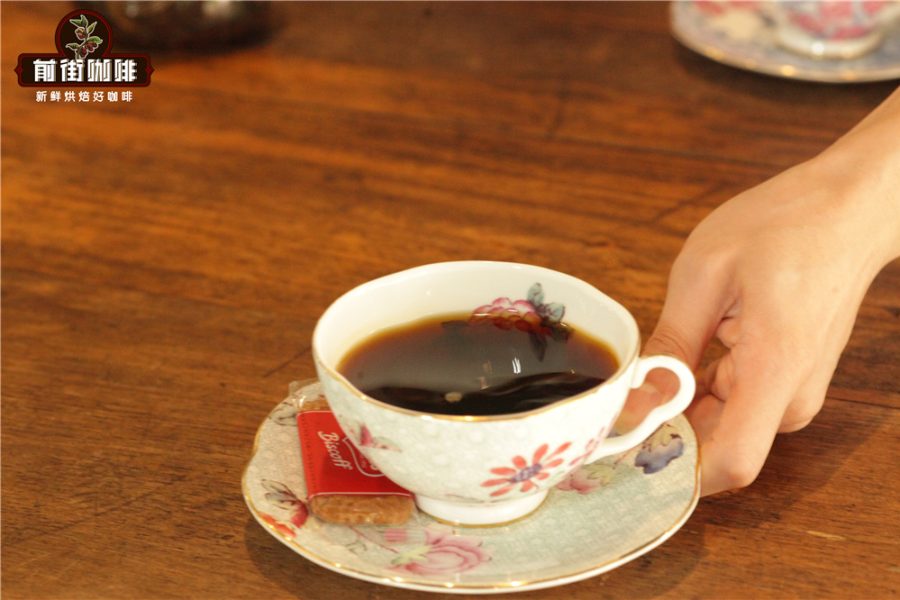
Introduction: This article takes an in-depth look at the core differences between the French press and drip coffee, from equipment principles and flavor characteristics to roast compatibility, and offers actionable buying advice. By comparing how the two brewing methods affect coffee oils and mouthfeel layers, and analyzing the traits of light, medium and dark roasts, it helps coffee lovers find the ideal solution based on personal taste preferences, with key parameters included for reference.
Born in 1929, the French press (also called a coffee plunger), with its metal mesh filter and immersion extraction principle, has always been a classic tool for the home coffee corner. Improved by an Italian designer, this device extracts through 8-12 minutes of immersion, fully releasing the aromatic compounds in the coffee grounds and ultimately delivering a rich, full-bodied mouthfeel with a slight particulate texture, especially suited to drinkers who seek layered complexity.
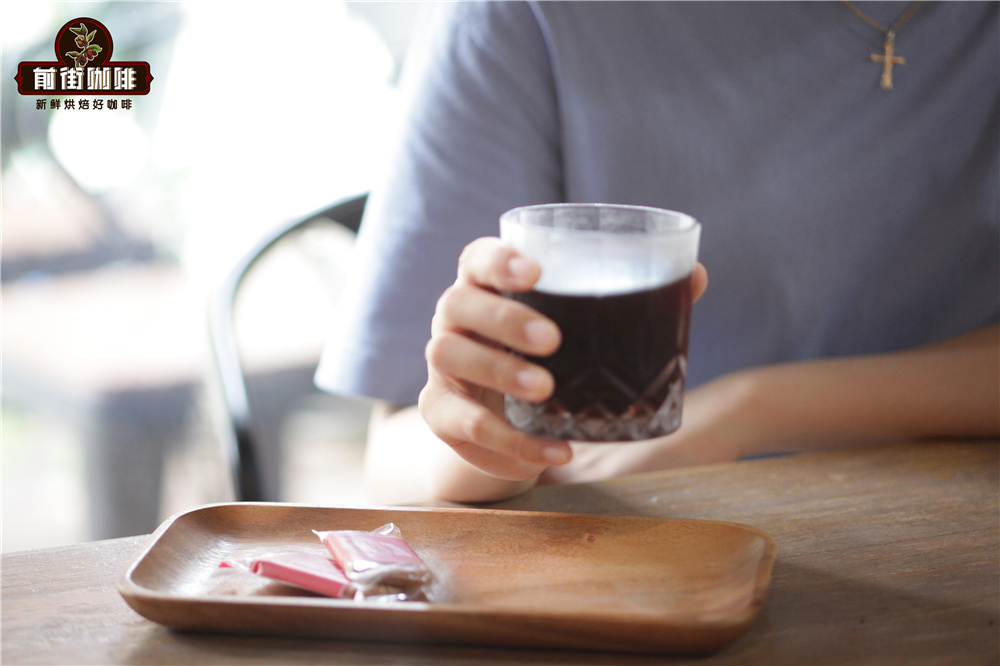
Modern drip coffee machines use a fully automatic water-flow system, sprinkling 90-96°C hot water evenly over finely ground coffee in a paper filter. Their core advantage is convenience—just preset the parameters for standardized output—but the paper filter removes about 90% of the coffee oils, resulting in a cleaner flavor with brighter acidity. These devices are common in office settings and suit fast-paced drinking needs.
There are clear differences in roast compatibility: light roasts (10-14 days of development) retain more fruit acidity and floral aromas and are more compatible with French press immersion extraction—the metal mesh lets fine particles through, enhancing body to balance the acidity; whereas a drip machine's paper filter system can make the delicate flavors of light roasts seem thin. Conversely, the caramelized compounds in medium and darker roasts (over 18 days of development) are more easily released through a paper filter, and drip brewing instead highlights nutty and chocolatey base notes.
Operational details directly affect final quality: for the French press, use a coarse grind (similar to sea salt grains), keep the coffee-to-water ratio at 1:15-1:17, and press down slowly after steeping to avoid disturbing the sediment; for drip machines, pay attention to pre-wetting the filter paper, choose a medium grind (sugar granule size), and clean the water tank regularly to prevent scale from affecting extraction temperature. Common mistakes include pressing the French press too early, causing over-extraction, or insufficient water temperature in a drip machine leading to under-extraction.
Compared on flavor, French press coffee has a pronounced body and lingering finish, with a better bitter-sweet balance; drip coffee is known for its clear, bright acidity and suits light meals. Neither is absolutely superior; consumers should choose based on their daily drinking scenarios (such as whether fast output is needed), the roast level of their coffee beans and personal taste preferences, and those who can should try the same beans with different devices for a comparative experience.


