French Press vs. Pour-Over: Flavor Differences and Optimal Extraction

Introduction: Many coffee enthusiasts struggle with the choice between a French press and pour-over coffee when brewing at home. This article provides an in-depth comparison of the flavor characteristics of the two brewing methods, reveals why French press coffee is richer, and scientifically addresses the question of reusing coffee grounds. By analyzing extraction principles and Golden Cup standard data, it helps you choose the right brewing tool based on your taste preferences.
In recent years, manual coffee brewing at home has gradually become a trend. The French press (also known as a coffee press) has become popular in Europe and America thanks to its simple design. This Italian device, invented in 1929, consists mainly of three parts: a heat-resistant glass container, a stainless steel filter mesh, and a piston structure with a pressure rod. To use it, coarse-ground coffee is placed in the pot, hot water is poured in, and after steeping, the plunger is pressed down to produce a cup of full-bodied coffee.
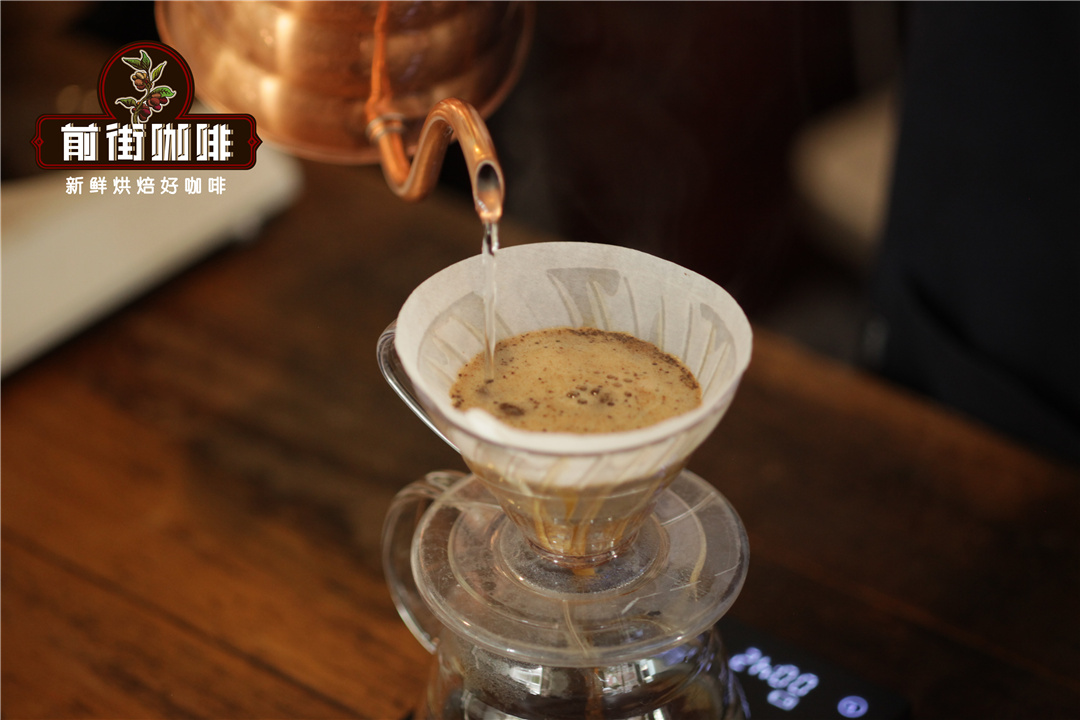
Traditional pour-over coffee, by contrast, uses a conical dripper for filtration. Medium-fine ground coffee is placed in a paper filter, and hot water is poured in stages in a spiral pattern to saturate the coffee bed. Through the physical filtration of the paper filter, this brewing method effectively traps fine particles, ultimately producing a clean and refreshing cup, though some users report a slight powdery sensation may remain.
In terms of flavor, coffee extracted with a French press is usually fuller and richer. This is because the metal filter allows more fine oils and aromatic compounds to pass through, while the longer steeping time (4 minutes recommended) allows coffee compounds to be released more fully. In contrast, pour-over coffee, due to the paper filter barrier and rapid filtration, tends toward a fresh and bright flavor with more prominent acidity.
Regarding the question of reuse, one point must be made clear: whether with a French press or any other brewing method, only 28%-30% of the soluble matter in a single serving of roasted coffee beans is suitable for extraction. The Specialty Coffee Association of America (SCAA) Golden Cup standard states that the optimal extraction yield is 18%-22%; over-extraction leads to undesirable flavors such as bitterness. After the first brew, the remaining components of each coffee bean are mainly insoluble cellulose; a second brew not only tastes weak but may also produce negative flavors.
In practice, it is recommended to use freshly ground coffee for each brew. For the ultimate experience, pay attention to the following details: for a French press, a filter mesh with 80-100 micron pores better balances oils and clarity; for pour-over, keep the water temperature between 90-96°C and control the total water-to-coffee ratio between 1:15 and 1:17. Regular cleaning of equipment is equally important, as residual oils will affect the flavor of subsequent batches.