How to Choose Espresso Beans: A Practical Guide to Roast Levels, Blends and Single Origins
Introduction: The soul of espresso lies in the choice of coffee beans and the roast. From the difference between blends and single origins, to the flavor logic of medium-dark roasts, to the acidity confusion beginners often encounter, this article systematically explains how to choose suitable espresso beans according to your needs, and provides the flavor characteristics and practical suggestions of different roast levels, helping you easily grasp the basic logic of Italian-style coffee.
Espresso is both an extraction technique and a classic form of coffee beverage. As a frequently encountered coffee form, it often raises many questions for beginners: should you choose blend beans or single-origin beans? How does the roast level affect flavor? Why do some espressos taste sour? The core of these questions lies in understanding the matching relationship between coffee bean characteristics and the extraction method.

Freshness is the foundation of espresso flavor. Professional roasters strictly control the shipping time of coffee beans, ensuring that consumers receive beans within a short period after roasting (usually within 5 days). When storing, keep them sealed and away from light; it is recommended to keep the original packaging (with a one-way exhaust valve) when possible, and for grinding, it is best to grind fresh and use immediately—the aromatic substances in ground coffee volatilize significantly faster.

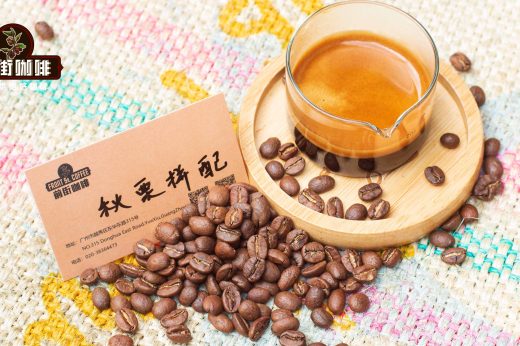
Blend beans and single-origin beans each have their advantages. Blending schemes, by mixing coffee beans from different regions and processing methods, can achieve stable flavor output and cost control, suitable for scenarios pursuing consistent taste; single-origin beans can showcase the unique flavor of a specific region (such as fruity, floral notes, etc.), but place higher demands on extraction technique, and their flavor stability is relatively weaker. Both can be used for espresso, and the choice depends on personal preference.

Medium-dark roast is the mainstream choice for espresso. This roast level (usually roasted to the dense stage of first crack through the early stage of second crack) promotes more caramelization reactions, generating rich sweetness and full-bodied substances while retaining a moderate acidity balance. Note that freshly roasted coffee beans need to rest for 5-6 days—the one-way exhaust valve will release the accumulated carbon dioxide during this period, and using them too early may lead to uneven extraction.

Light-roast beans often perform unsatisfactorily in espresso scenarios. Because of the short roasting time, caramelization is insufficient, making it difficult to form a sufficiently full-bodied base; at the same time, the bright acidity they contain (such as citrus and berry flavors) is easily amplified under high-pressure espresso extraction, producing a sharp and stimulating mouthfeel. If forced into espresso, the result may be a thin and sour beverage.
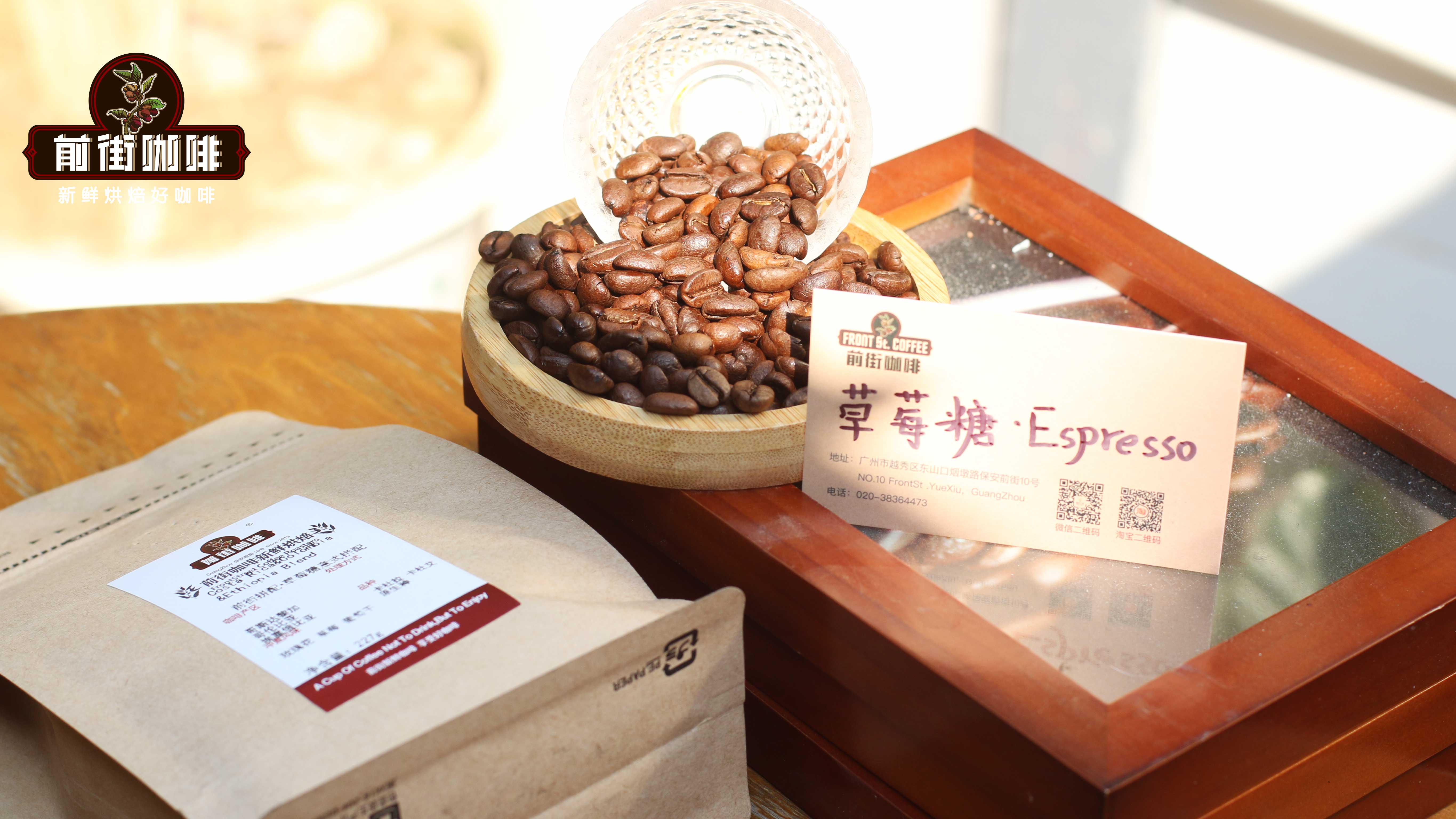
As for the question of whether "espresso blends belong to specialty coffee," the answer depends on the quality of the raw materials. As long as the coffee beans used in the blend meet origin certification standards (such as those defined by the SCA Specialty Coffee Association), whether single-origin or blend, they can be classified as specialty coffee. The key is to harmonize the characteristics of different beans through the roasting process, ultimately presenting a harmonious flavor combination.

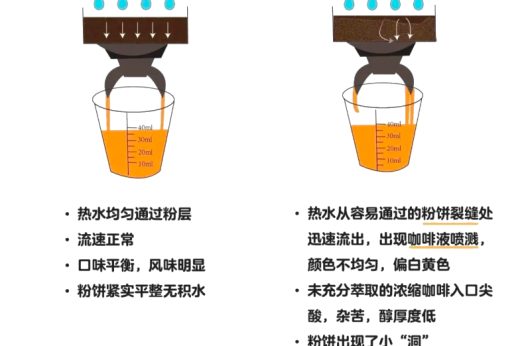
Regarding the common phenomenon of "sour espresso," it should be viewed rationally. Sourness may originate from fruity-acid beans in the blend formula (such as certain Ethiopian region beans), or it may be a varietal characteristic of the single-origin beans themselves. When judging whether it is abnormal, observe the texture of the acidity—clear and bright fruit acidity (such as lemon or malic acid) is a normal flavor dimension, while rotten or sharp acidity may indicate roasting or extraction problems.
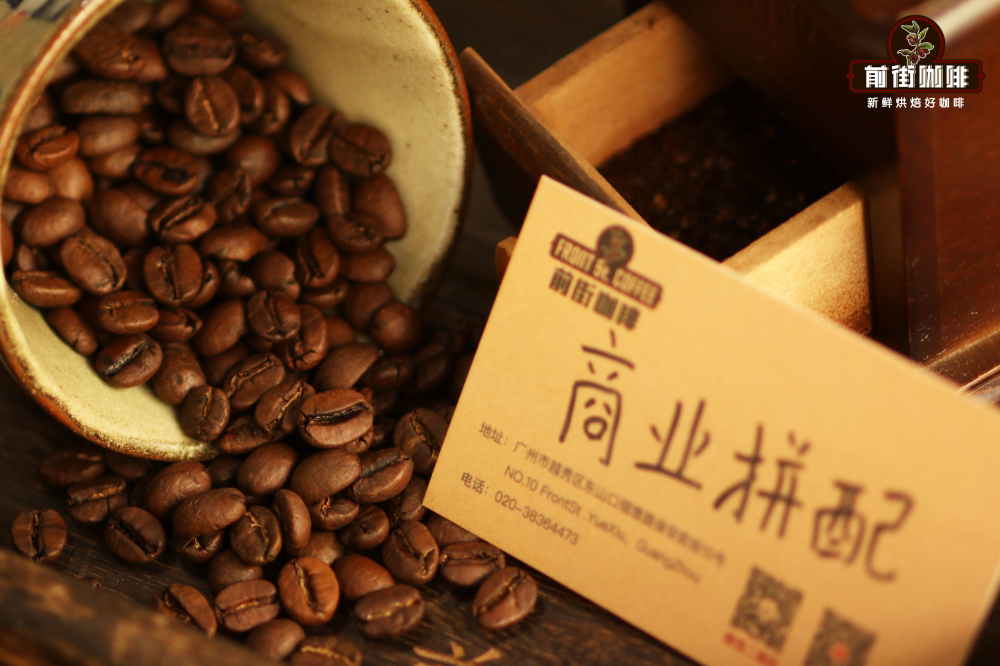
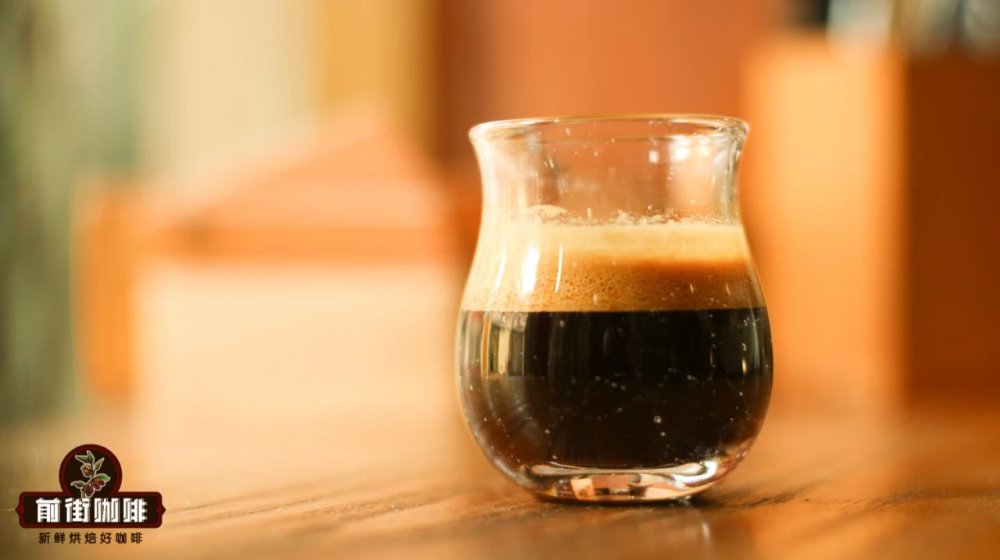
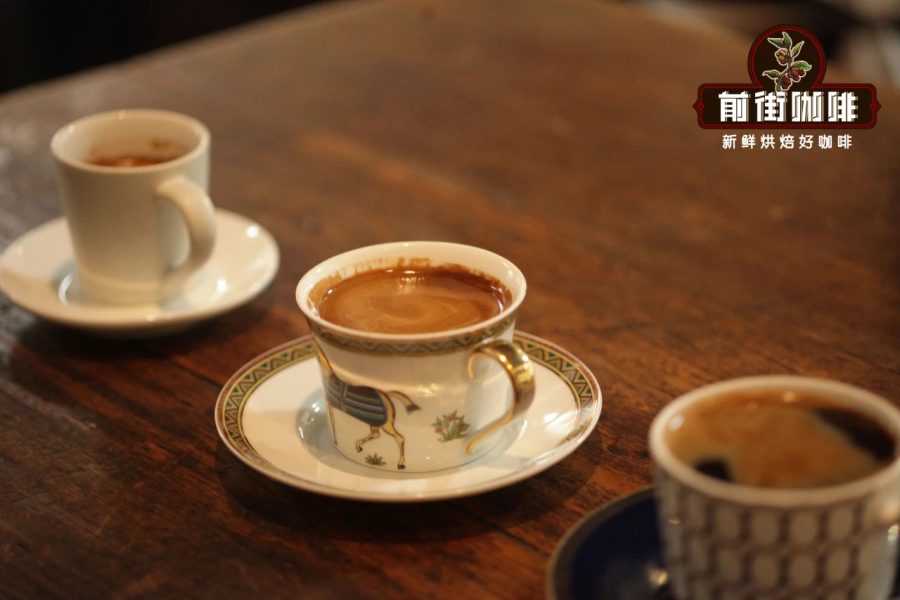
The flavor suitability of different roast levels differs noticeably. Medium-dark roasted espresso usually presents warm tones such as caramel, nuts, and dark chocolate, with better crema thickness, suitable for pairing with milk to make lattes or cappuccinos; if you prefer drinks with prominent fruity notes, you can add a small amount of light-roast blend beans to adjust the ratio, but pay attention to the balance of the overall flavor. When starting out, it is recommended to begin practicing with a classic medium-dark roast blend, as it is easier to master the basic parameters.
The details of the storage stage directly affect coffee quality. Unopened coffee beans should be placed in a cool, dry place (avoid refrigerating, which can cause moisture and odor absorption); after opening, it is recommended to use them within 2 weeks. The grind size needs to match the extraction equipment—espresso usually requires a very fine grind (close to powder), but the specific parameters should be fine-tuned according to the grinder's scale and the actual extraction results.
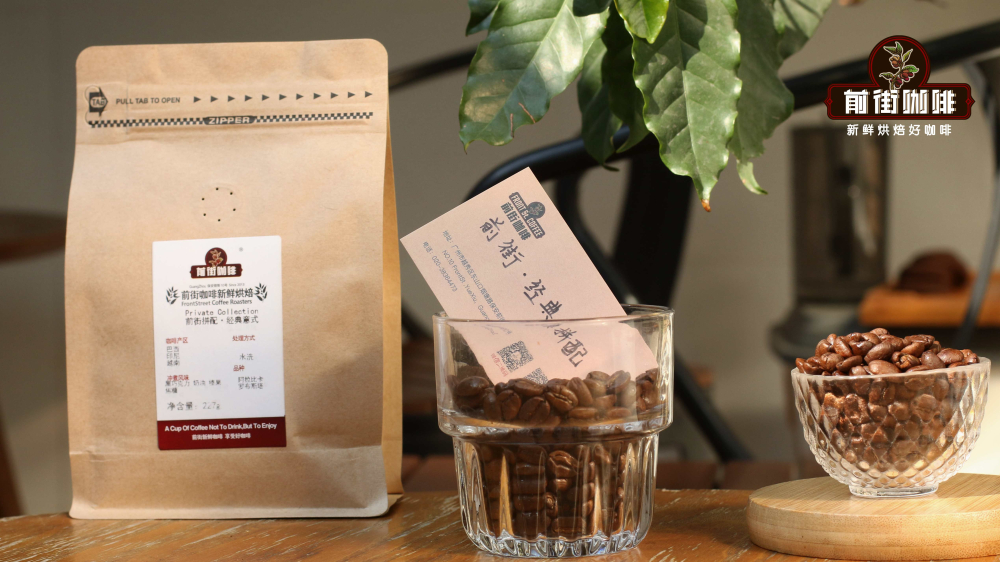
In summary, the core logic for choosing espresso beans is: prioritize frequency of use (for high frequency, choose a stable blend), clarify flavor preference (for fruity notes, choose a medium-light blend; for full body, choose a medium-dark blend), and control freshness (best used within 5-10 days after roasting). After understanding these basic principles, whether for home brewing or store operation, you can more precisely match needs with raw materials.