Decaf Coffee Truth: Trace Caffeine & Safe Drinking Guide
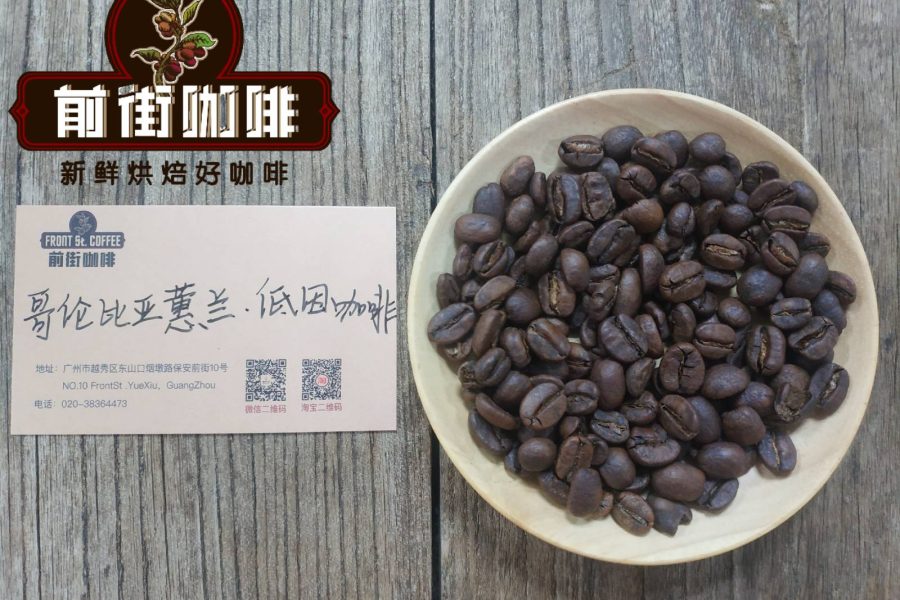
Introduction: Many coffee lovers choose decaf coffee due to health or sleep needs, but often wonder whether such beverages are completely caffeine-free and whether long-term consumption affects health. This article unravels the safety mystery of decaf coffee by analyzing the principles of decaffeination processes, measuring actual caffeine residues, and citing standards from authoritative bodies, while also providing practical advice on selection and consumption.
As one of the world's most popular beverages, coffee has won many adherents with its unique flavor and invigorating effects. But the stimulant effect of caffeine is not something everyone needs—whether to reduce nervous excitement, control intake, or for people with special constitutions, decaf coffee has become an important choice. This specially processed beverage can greatly reduce caffeine content while preserving coffee's flavor.
So-called decaf coffee does not mean coffee that is completely free of caffeine, but rather coffee in which the caffeine in ordinary coffee beans has been removed to an extremely low level through professional processes. Mainstream decaffeination techniques include solvent extraction (using water, organic solvents, or carbon dioxide), the Swiss Water Process, and others; these methods can remove about 97% of the caffeine in green beans. After processing, the caffeine residue in the finished coffee is usually maintained in the range of 0-7 mg per cup, while the caffeine content of a single cup of regular coffee is generally in the range of 70-140 mg.
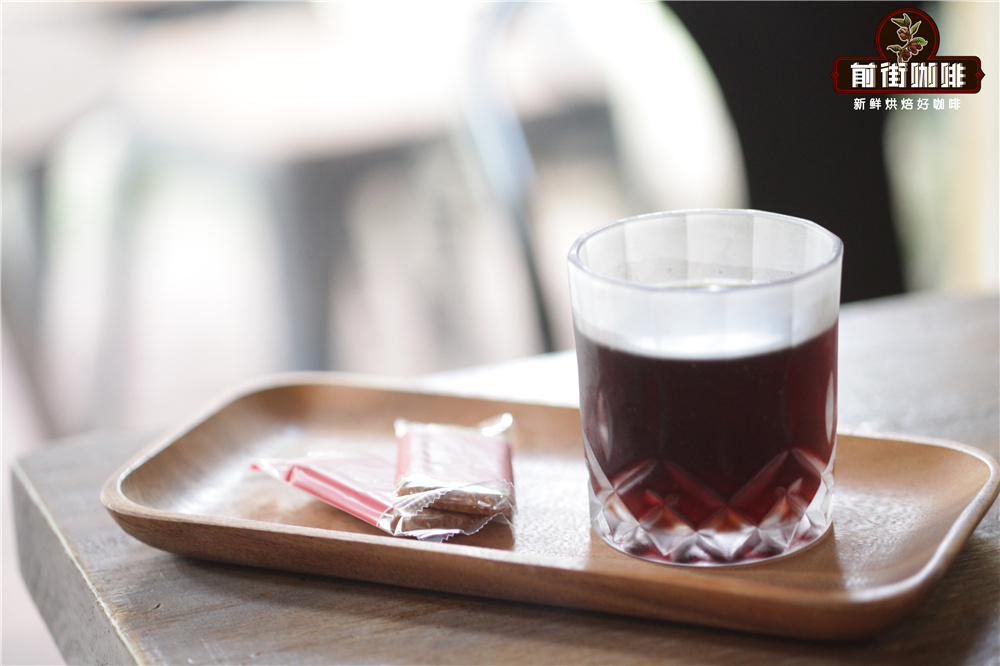
It is worth noting that commercially available decaf coffee may still contain trace amounts of caffeine, which is related to raw material quality, processing techniques, and storage conditions. For example, decaf beans using light roasting may retain a small amount of caffeine due to cell wall damage, while dark roasting, because of its denser structure, can better lock in the remaining components. Consumers who are extremely sensitive to caffeine (such as patients with certain diseases or pregnant women) are advised to give priority to products labeled "ultra-low caffeine" and avoid drinking them in the evening.
Regarding doubts about the safety of decaf coffee, existing scientific research has given clear conclusions. According to evidence-based research published in The BMJ in 2017, compliant decaf coffee does not pose direct harm to the human body. The U.S. Food and Drug Administration (FDA) stipulates that the upper limit of caffeine residue in decaf coffee is only 0.0001% (calculated on a dry matter basis), a standard far lower than other sources of caffeine in the daily diet. In addition, the European Food Safety Authority and China's national food safety standards both have strict regulations for decaffeination processes, ensuring the safety of the final product.
From a nutritional perspective, decaf coffee retains the antioxidants originally present in coffee beans (such as chlorogenic acid and quinic acid), and these components have potential benefits such as anti-inflammatory effects and promoting metabolism. However, it should be noted that some low-priced decaf products may lose some flavor substances due to repeated processing. It is recommended to choose freshly roasted Arabica decaf coffee and to judge quality by observing the thickness of the oil layer (high-quality decaf espresso should show an amber sheen) and by smelling the aroma (there should be distinct nutty/caramel notes).
For ordinary consumers, drinking 1-2 cups of standard decaf coffee per day (containing about 3-5 mg of caffeine) is within the safe range and will not interfere with normal sleep or cause palpitations. However, special populations (such as patients with hypertension or anxiety disorders) still need to consult a physician. When purchasing, look for the "100% decaffeinated" certification mark on the packaging and pay attention to the production date—the optimal flavor period for decaf coffee is usually 2-4 weeks after roasting, and expired products may develop off-flavors or lose aroma.


