Low-Acid Coffee Guide: Decaf vs. Guatemalan Bean Acidity Tested

Introduction: Are you worried that coffee acidity may irritate your stomach? Or do you want to try a low-acid coffee with a mellow flavor? This article uses scientific data to compare the pH differences between decaf and regular coffee, explains the natural acidity characteristics of coffee from origins such as Guatemala, and provides practical methods for reducing coffee acidity. With this knowledge, you can choose a coffee type that better suits your stomach sensitivity.
Coffee's bright flavor comes from more than 30 acidic substances, including citric acid and malic acid, which are similar to those found in lemons and vinegar. Together these components shape coffee's complexity, but excessive acidity may cause stomach discomfort in some people. pH testing gives a clear picture: regular coffee has a pH of about 5 (weakly acidic, lower than fruit juice but higher than the strongly acidic environment of stomach acid), while the baseline for water is neutral pH 7.
What professional baristas call "acidity" actually refers to flavor characteristics, not the strength of chemical acidity. Coffee beans grown at high altitudes often present a bright, high-acid profile with citrus and berry notes because of their longer growing period and higher density—this is a positive description of a quality flavor and is different from the pH concept of acidity and alkalinity.
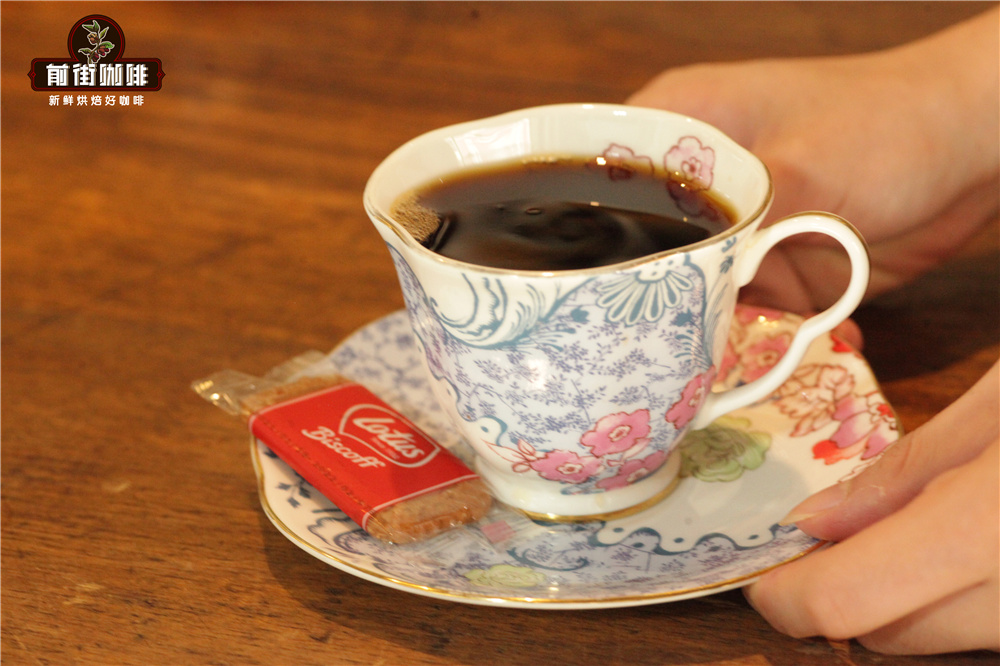
For the core question among people with sensitive stomachs: decaf coffee is indeed less acidic than regular coffee. Studies show that the decaffeination process reduces phenolic acid content by about 15-20%, which is the main reason for the difference in acidity. More importantly, the caffeine in regular coffee stimulates gastric acid secretion, while the decaf version avoids this mechanism, making it friendlier for people with gastroesophageal reflux.
So-called "naturally low-acid coffee" is mainly related to the growing environment. Although Guatemalan coffee comes from a high-altitude growing region in Central America, its volcanic soil is rich in minerals, creating a balanced sweet-and-sour sensation—it retains bright citric acidity while also having a mellow base of chocolate and nuts. Coffee beans from low-altitude regions such as Brazil and Sumatra have similar characteristics; because the temperature difference between day and night is smaller in these areas, the coffee fruit ripens more slowly and accumulates relatively less acidity.
If you want to further reduce coffee acidity, try two practical methods: first, mix in a small amount of baking soda (about 0.2 g per 15 g of coffee grounds) to neutralize the acid with an alkaline substance; second, switch to dark-roasted beans, as long high-temperature processing breaks down some acidic compounds. Note, however, that excessive alkalization will affect the coffee's aroma expression, so it is advisable to start with small adjustments.


