Arabica vs. Robusta: Which Coffee Bean Suits You Best?
Introduction: In the world of coffee, Arabica and Robusta are the two most common coffee varieties. They differ noticeably not only in flavor and growing conditions but also directly affect the final taste and use of coffee. This article takes an in-depth look at the characteristics, advantages, and disadvantages of these two coffee beans, especially why Robusta is often used in instant coffee, and helps you choose the right beans for your needs.
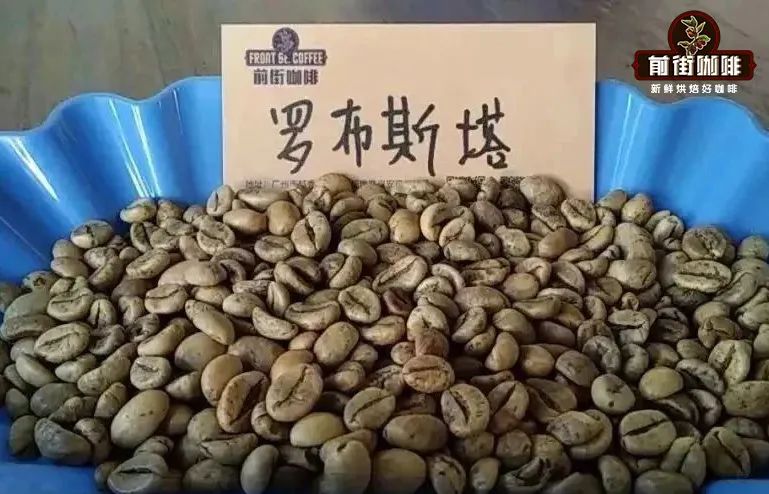
Among the many coffee varieties, one occupies an important place in the market even though it rarely appears on specialty coffee menus: Robusta coffee beans, which coffee lovers more often call "Robusta." Although its flavor is frequently criticized, Robusta holds an irreplaceable position in the global coffee supply chain. So how exactly do Arabica and Robusta differ? Is Robusta really only suitable for instant coffee? This article explains in detail.
First, from a botanical classification perspective, Robusta belongs to the Canephora species, also known as Congolese coffee or Coffea canephora. Arabica, by contrast, is the more highly regarded coffee type, known for its delicate acidity and rich aroma. Although Robusta is the only commercially cultivated variety within the Canephora species, it has become virtually the representative of the entire Canephora line. In addition, the Timor and Catimor varieties, which are hybrids of Robusta and Arabica, are now widely grown in many producing regions; although they are classified as Arabica, they still carry some Robusta genes.
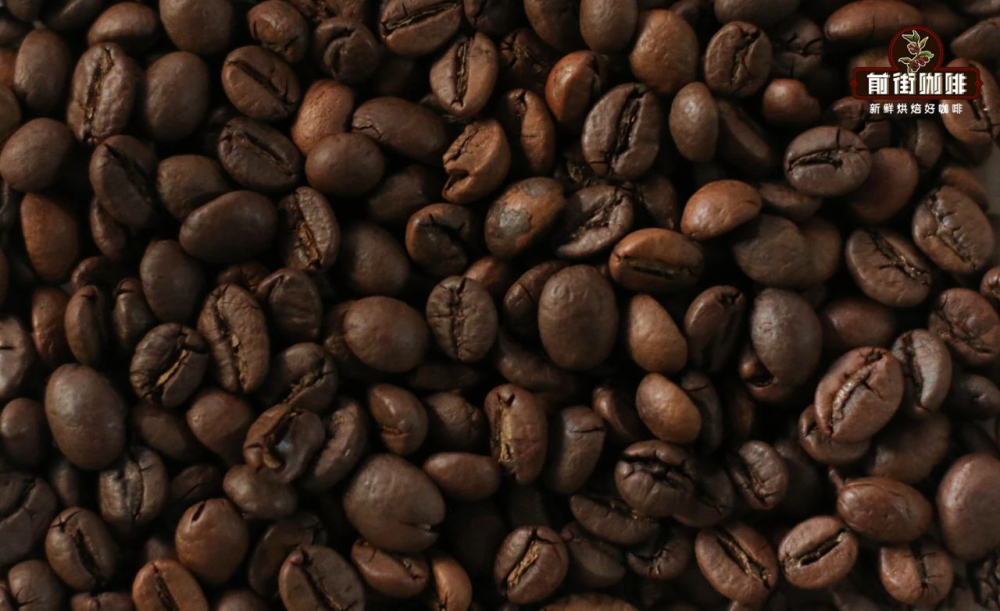
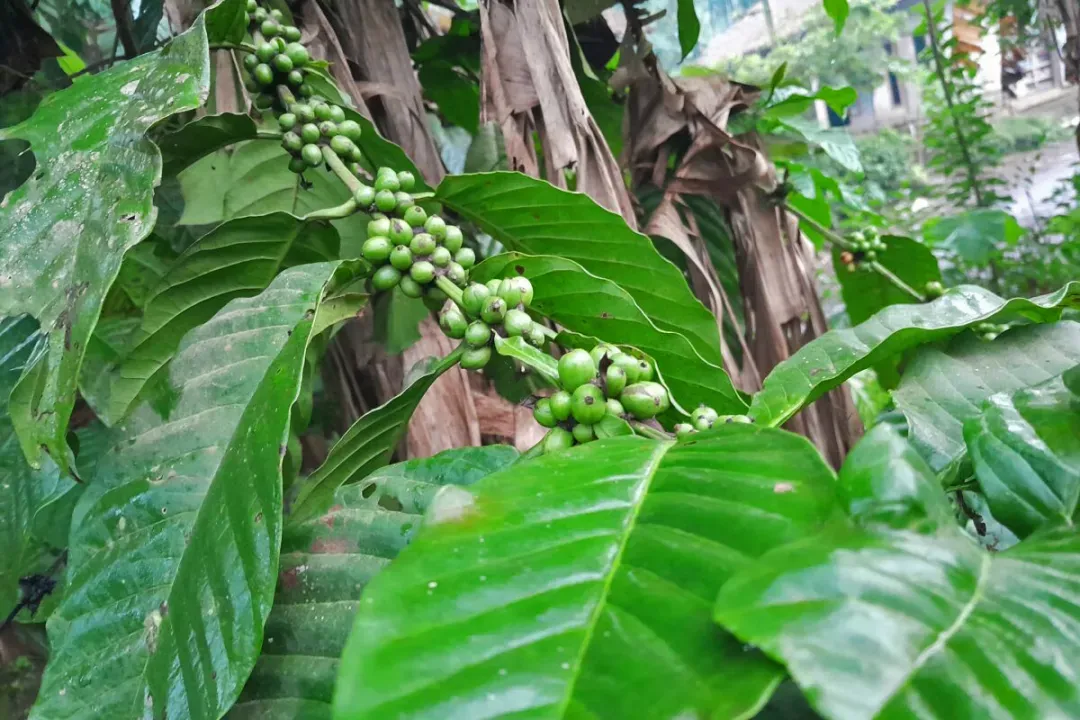
From a cultivation perspective, Robusta has excellent adaptability. It can tolerate high temperatures, low temperatures, drought, and humid conditions; it is hardy, and its survival rate is far higher than that of Arabica. Robusta coffee trees have a fairly high caffeine content, usually between 1.7% and 3.0%, almost twice that of Arabica. The high caffeine content gives it stronger natural pest resistance, reducing the use of pesticides. In addition, Robusta has a higher yield per plant; its fruit is rounder and smaller, the bean is somewhat flat and round, and the groove in the center is straight. These characteristics make it more efficient to cultivate and harvest.
Because Robusta has lower environmental requirements, it is usually grown in low-altitude plains and can rely on mechanized, uniform management and harvesting, greatly reducing production costs. Taken together, these factors make Robusta the first choice for large-scale commercial cultivation, and its price is relatively low. For example, in China's Hainan Province, Robusta is the main variety grown. But even so, why is Robusta still looked down upon by many coffee lovers and industry professionals?
The answer lies mainly in flavor performance. Robusta's flavor is often considered its biggest shortcoming. Compared with Arabica, Robusta has higher chlorogenic acid content and lower sucrose content. Chlorogenic acid is the main component responsible for coffee's bitterness, while sucrose is an important source of sweetness and aromatic substances in coffee. Therefore, Robusta usually shows low acidity and heavy bitterness; its flavor is often described as full-bodied but low-toned, with notes of walnut, peanut, hazelnut, barley tea, and even grain. If handled improperly, it may also bring a strong earthy smell or even an unpleasant rubber-like taste. This distinctive "Robusta flavor" is one of the reasons it is so controversial.
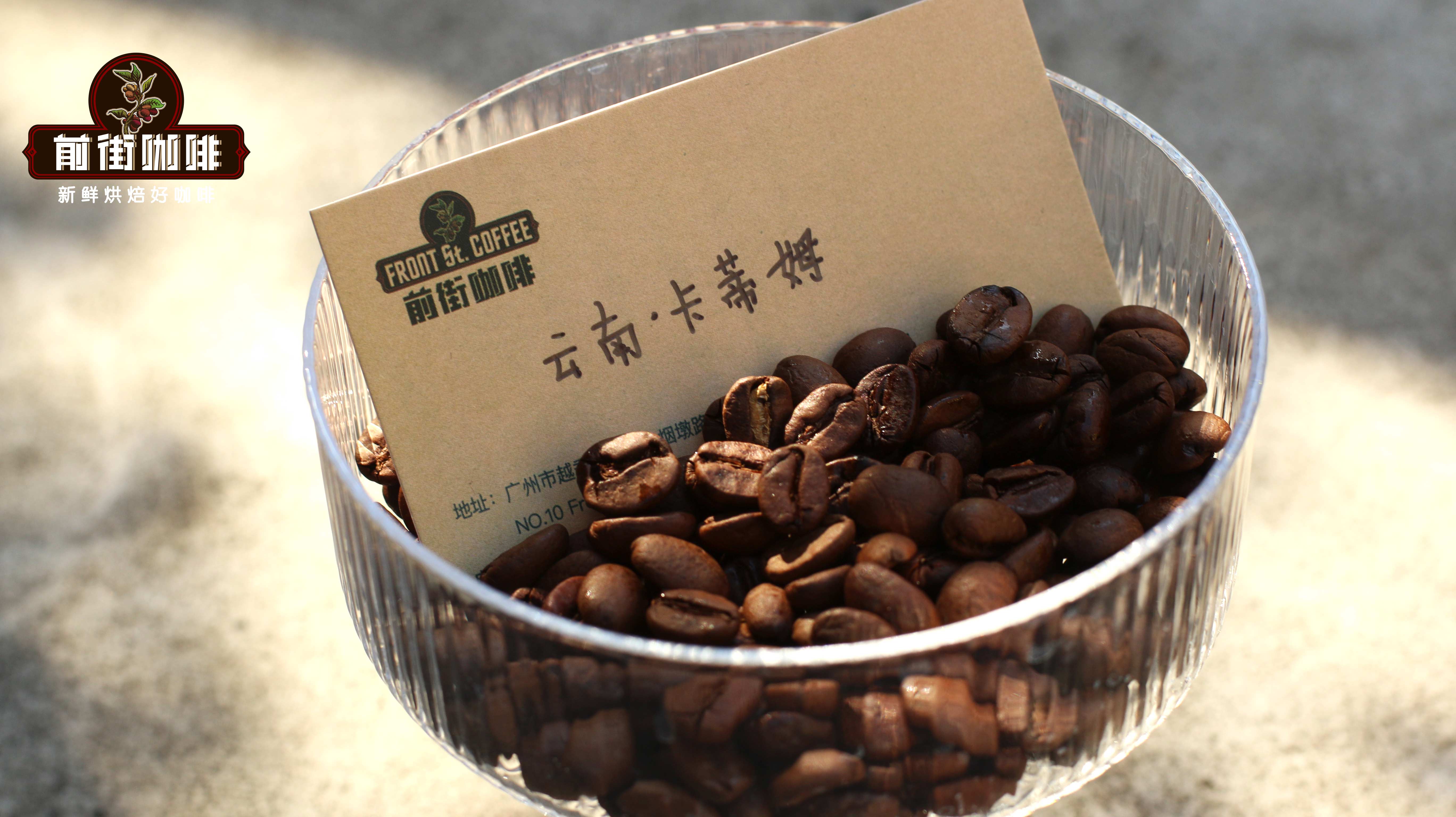
The Catimor variety widely grown in Yunnan, China, actually contains 25% Robusta genes, so its flavor is also often judged to be less than ideal. However, this does not mean Robusta has no advantages. After dark roasting, Robusta can release a large amount of gas; especially when making espresso, it can form a rich crema and bring a solid mouthfeel and body. This is precisely why dark-roasted Robusta still has a place in traditional Italian coffee culture.
It is worth mentioning that although Arabica is currently the mainstream in the market, climate change and deteriorating growing environments mean that the growing conditions for coffee crops are facing unprecedented challenges. Because of its robust vitality, Robusta may play a more important role in coffee cultivation in the future, especially in the development of hybrid varieties; Robusta genes may help breed new varieties with greater adaptability.
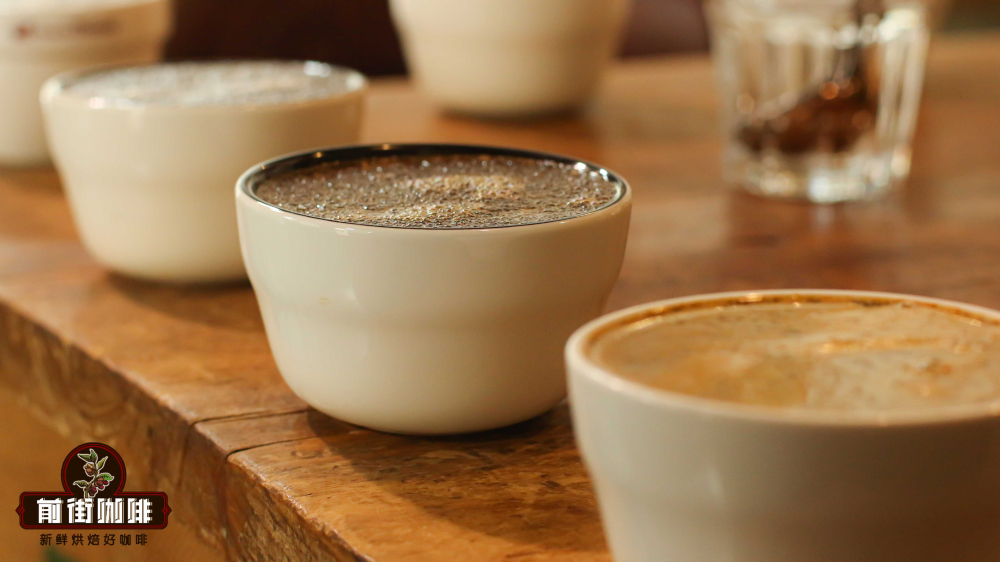
If you are a coffee lover who wants to try recreating café-style espresso at home, understanding the blending ratios and roast levels of coffee beans is very helpful. For example, some coffee blends include a small amount of Robusta to enhance the coffee's body and crema performance. By properly controlling the roast level and grind size, even blend beans containing a small amount of Robusta can produce coffee drinks with a rich mouthfeel and abundant crema.
Overall, Arabica and Robusta each have their strengths and weaknesses. Arabica is known for its elegant acidity, rich aroma, and multi-layered mouthfeel, making it more suitable for consumers seeking a refined coffee experience; it is often used for pour-over and specialty coffee. Robusta, with its high caffeine content, strong bitterness and full-bodied taste, and strong environmental adaptability, is more often used in commercial coffee, instant coffee, and espresso blends.
Which coffee bean to choose ultimately depends on your taste preference and intended use. If you pursue a balance of sweetness and acidity with complex flavors, Arabica is the better choice; if you value coffee's stimulating effect, full-bodied taste, and cost-effectiveness more, Robusta may suit you better. As for instant coffee, Robusta is indeed a common raw material choice due to its cost advantages and intense flavor.