What coffee beans does Starbucks use? Arabica vs. Robusta flavor and acidity

Introduction: Have you ever wondered which coffee bean variety Starbucks uses? As a globally renowned coffee chain, Starbucks insists on using Arabica coffee beans—what considerations lie behind this? This article takes a deep look at the core differences between Arabica and Robusta beans in appearance, flavor and acidity, helping you understand why Starbucks favors Arabica and guiding you in making choices based on your personal taste preferences.
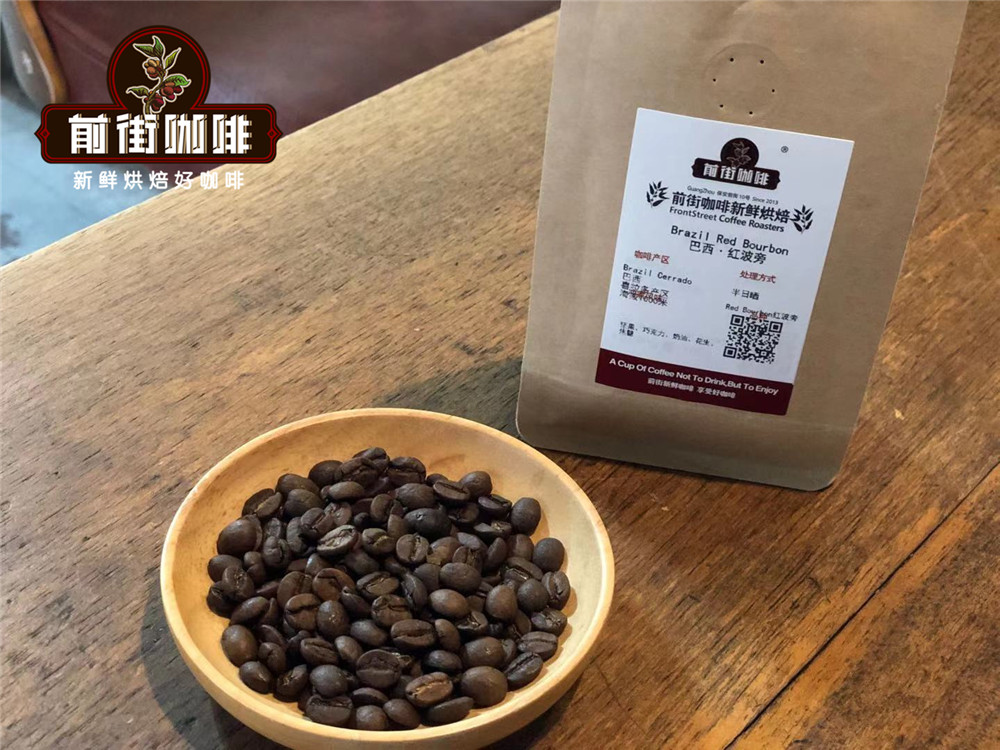
Judging by appearance alone, freshly roasted Arabica and Robusta beans are indeed hard to tell apart—both turn dark brown after roasting, and their shapes are broadly similar. But on closer inspection, clear differences emerge: Arabica beans are larger, more oval in shape, with a distinct egg-shaped curve on the surface; by contrast, Robusta beans are smaller and rounder, with an overall outline close to a perfect circle.
Consumers who regularly buy coffee at Starbucks stores or Drive-thru windows may never have occasion to use home drip coffee equipment, so they often wonder: which coffee beans does this international coffee chain actually use? The answer is clear—Starbucks uses Arabica coffee beans across its entire product line. The company has publicly stated that Arabica coffee trees are demanding about their growing environment (especially high-altitude growing conditions), and beans produced in such environments can develop more complex layers of flavor, which aligns closely with the brand's pursuit of high-quality coffee.
The acidity comparison between Arabica and Robusta is a topic coffee enthusiasts often discuss. In terms of flavor characteristics, Arabica is generally higher in acidity, presenting a bright fruity acidity after brewing, similar to the refreshing flavor of fresh berries or citrus, along with a wine-like richness; while Robusta, being lower in acidity, has a fuller, more solid mouthfeel, often with rich nutty and chocolate notes, but if the quality is poor it can easily show earthy or burnt-bitter notes.
It is worth noting that acidity level is not the sole criterion for judging whether a coffee is good or bad. High-acidity Arabica suits those who enjoy a fresh, bright mouthfeel—for example, it can refresh and wake you up when paired with breakfast; low-acidity Robusta is better suited to those seeking an intense flavor or making an espresso base. Both bean varieties have their own advantages and occupy an important place in the coffee market.
For ordinary consumers who want to recreate a Starbucks-like Arabica flavor at home, it is recommended to choose medium-roast Yirgacheffe or Colombian beans, control the grind to medium-fine (similar to fine granulated sugar), use a pour-over with water at 90-93°C, and aim for an extraction time of 2 minutes. Be careful to avoid over-grinding, which can extract bitter compounds, and watch whether the water flows evenly through the coffee bed—these details all affect the final balance of sweetness and acidity.


